



Platinum vs Gold: Scratch & Wear Comparison
| Feature | Platinum | White Gold | Yellow Gold |
|---|---|---|---|
| Scratches | Yes (surface marks) | Yes (metal loss) | Yes (metal loss) |
| Metal loss over time | No | Yes | Yes |
| Long-term durability | Very high | Moderate | Moderate |
| Maintenance | Low | Medium (replating) | Low |
| Prong security | Excellent | Good | Good |
Platinum is the best metal for long-term diamond security.


Frequently Asked Questions
1. Do platinum rings scratch easily compared to other metals?
Yes, platinum rings do scratch, but the scratching is different from gold. Platinum scratches create surface marks where the metal shifts instead of wearing away. This means the ring keeps its strength, weight, and structure over time.
2. Does scratching damage a platinum ring?
No. Scratches on platinum are cosmetic only. They do not weaken the ring or affect gemstone security. Over time, these fine marks blend into a smooth patina finish rather than causing visible damage.
3. Why do platinum scratches look different from gold scratches?
Platinum is dense and malleable. When scratched, the metal moves within the surface. Gold scratches remove metal entirely, which can thin the band and prongs over years of wear.
4. What is a platinum patina?
Patina is a soft, matte sheen that develops naturally as platinum accumulates micro-scratches. Many buyers like this finish because it looks refined, hides future scratches, and gives the ring a vintage character.
5. Can platinum rings be polished back to a high shine?
Yes. Platinum can be polished easily without harming the ring. Polishing restores a mirror-like finish, and most owners do this every one to three years depending on wear preference.
6. Is platinum better than white gold for engagement rings?
Platinum is better for long-term durability and diamond security. White gold is lighter and less expensive but requires rhodium replating and loses metal over time. Platinum needs less ongoing maintenance.
7. Does platinum lose metal over time?
No. Platinum does not lose metal through wear. Even after decades, the ring maintains its original mass, which is why jewelers prefer platinum for heirloom-quality jewelry.
8. Are platinum prongs more secure than gold prongs?
Yes. Platinum prongs bend rather than break, making them more reliable for holding diamonds securely. This is especially important for solitaire, halo, and pavé engagement rings.
9. Is platinum suitable for people with active lifestyles?
Yes. Platinum is one of the best metals for daily wear, including for people who work with their hands. Its resistance to metal loss makes it ideal for long-term use.
10. Does platinum scratch more than yellow gold?
Platinum does not scratch more frequently, but scratches are more visible at first due to its natural white color. Over time, the patina evens out and makes scratches less noticeable.
11. Does platinum require special care?
Platinum requires minimal care. Regular cleaning with mild soap and water is enough. Occasional professional inspections help ensure stones remain secure.
12. Can platinum rings be resized or repaired easily?
Yes. Platinum is easy for skilled jewelers to resize, repair, and restore. Its ability to retain metal makes it ideal for long-term maintenance and adjustments.
13. Is platinum hypoallergenic?
Yes. Platinum is naturally hypoallergenic and safe for sensitive skin, unlike some gold alloys that may cause irritation.
14. Why is platinum more expensive than gold?
Platinum is rarer, denser, and harder to work with. Jewelry-grade platinum is also much purer than gold, which increases both material and labor costs.
15. Should scratching stop someone from buying platinum?
No. Scratching is a natural characteristic of platinum and does not affect durability or value. For buyers who prioritize longevity, security, and low maintenance, platinum remains the best choice.
16. Who should choose platinum engagement rings?
Platinum is ideal for buyers who want maximum durability, minimal upkeep, a naturally white metal, and a ring designed to last a lifetime rather than look brand-new every day.
More From This Blog
-
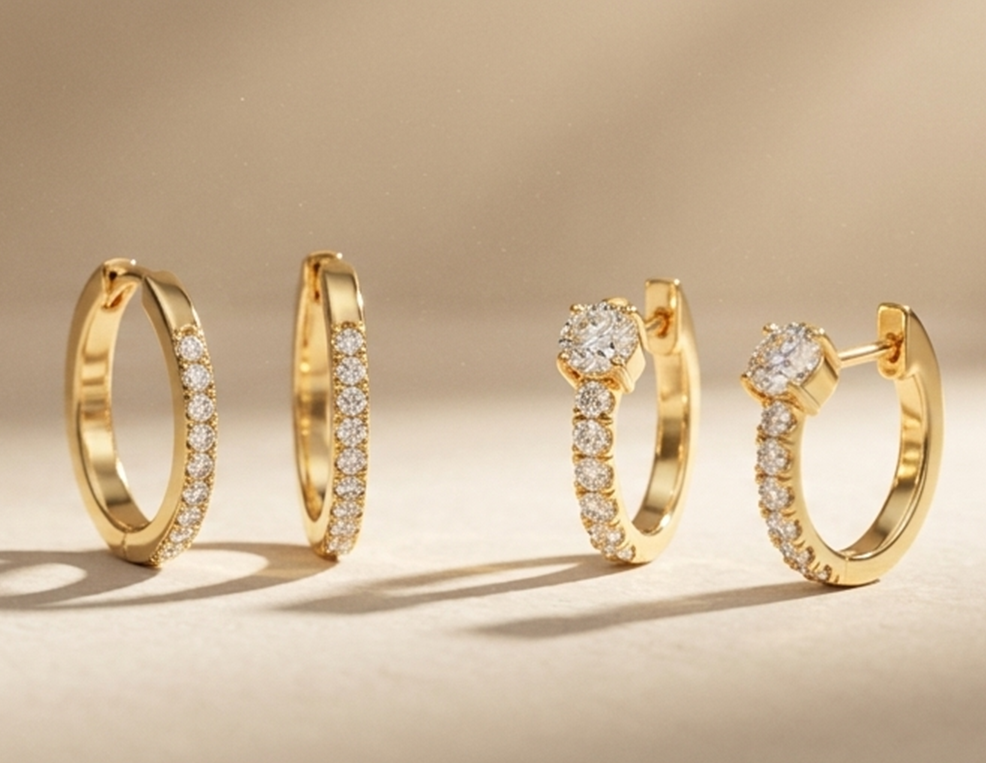
What Are Diamond Hoop Earrings? A Complete Guide to Styles, Metals & Diamond Types
-

Diamond Earrings for Every Face Shape: A Complete Style Guide
-

Asscher Cut vs Emerald Cut Diamonds
-

VS1 vs VVS2 Diamond Clarity
-

VVS1 Diamonds: Meaning, Clarity, Price, and How They Compare to VVS2
-

5 Things You Need to Know Before Buying a Lab-Grown Diamond
-

5 Things to Know Before Designing a Custom Engagement Ring
-

How to Pair a Solitaire Engagement Ring with a Wedding Band


