

1 Carat Diamond Engagement Rings
Our 1 carat diamond ring collection features both natural and lab-grown diamonds, all certified by IGI or GIA for quality and authenticity. Each piece is crafted for maximum brilliance with full price transparency. Find 1 carat princess cut, oval, and round diamond rings designed for modern couples who value trust and craftsmanship.
Explore Our One Carat Diamond Ring Collection
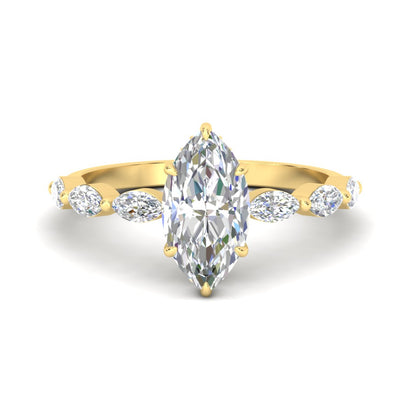
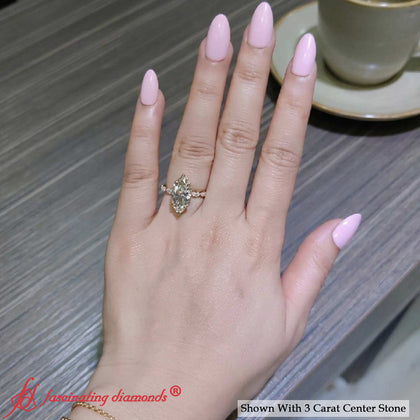
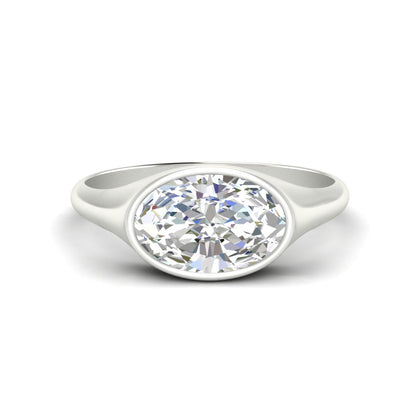
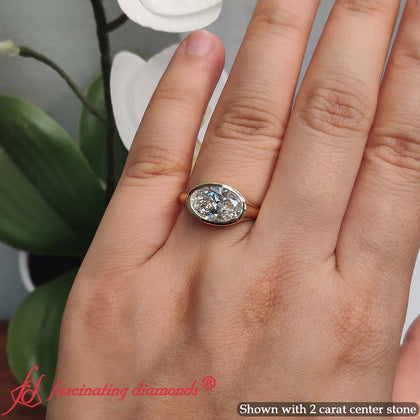
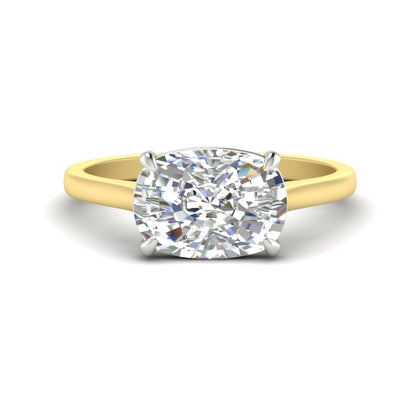
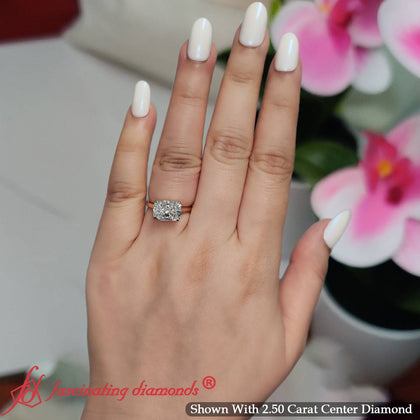
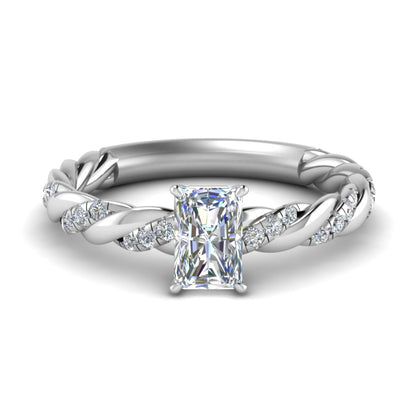
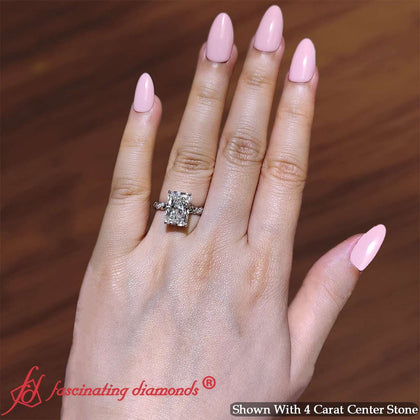
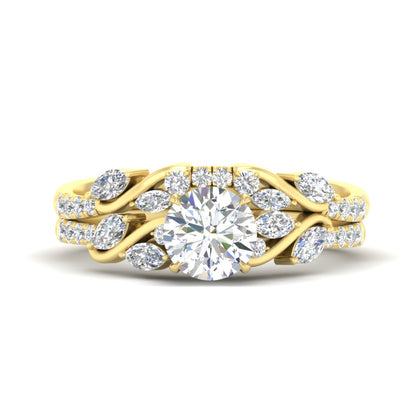
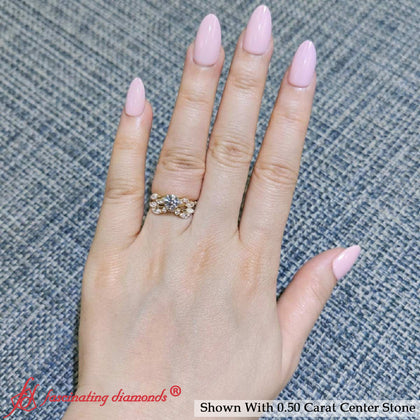
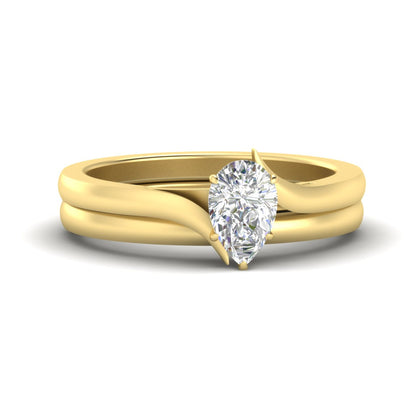
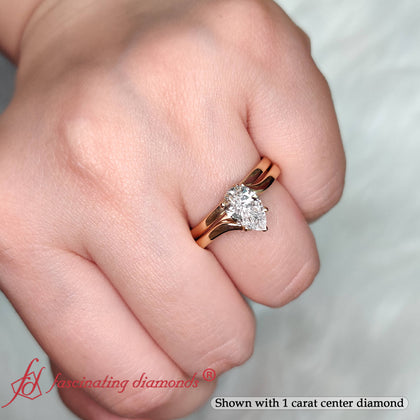
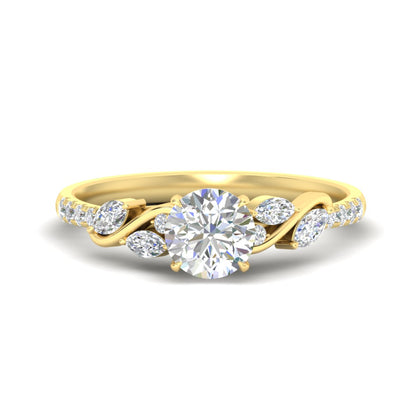
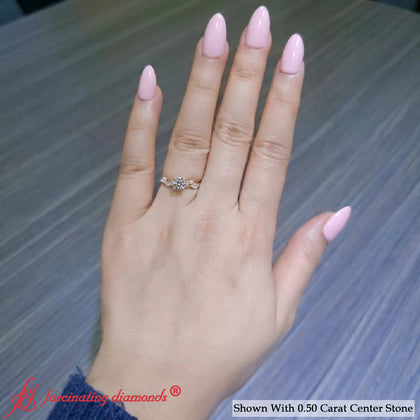
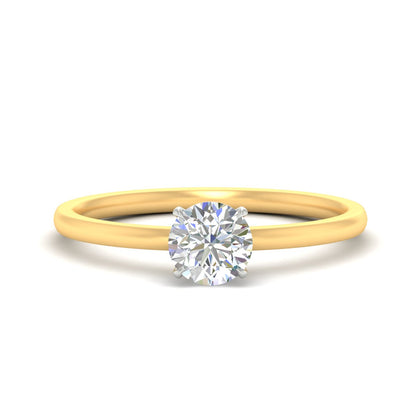
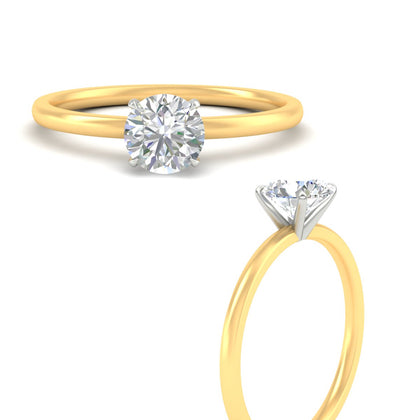
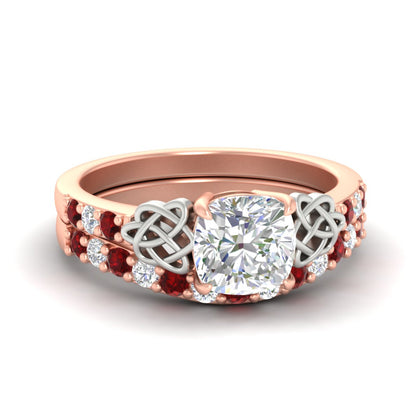
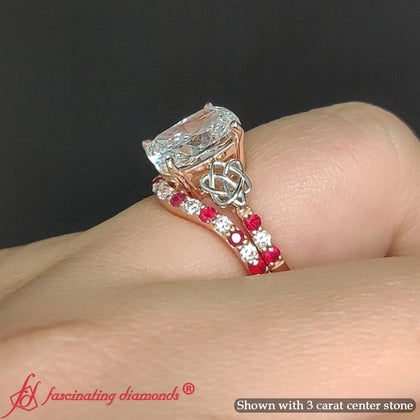
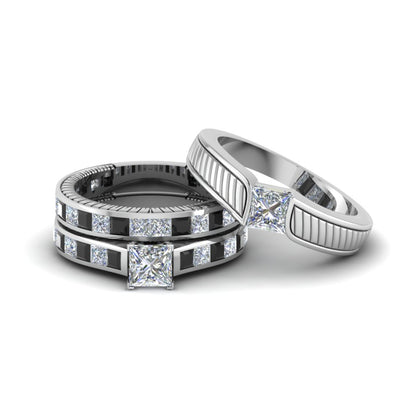
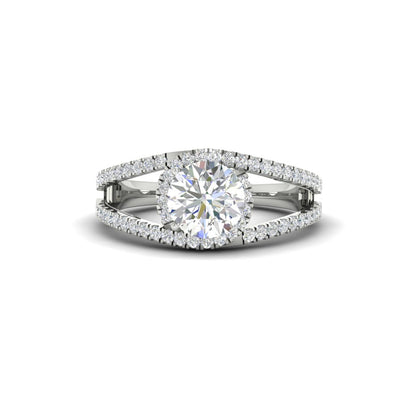
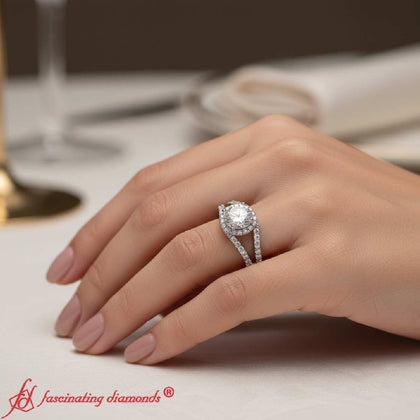
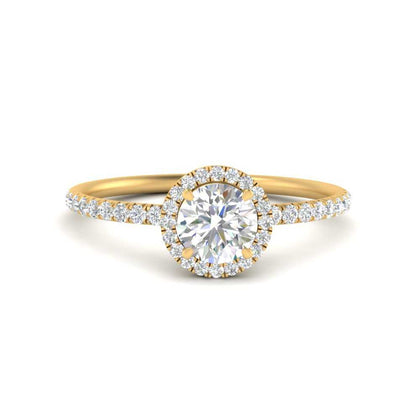
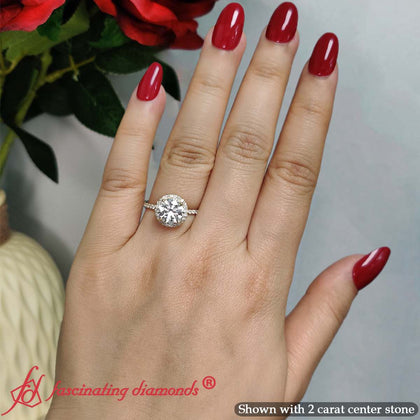
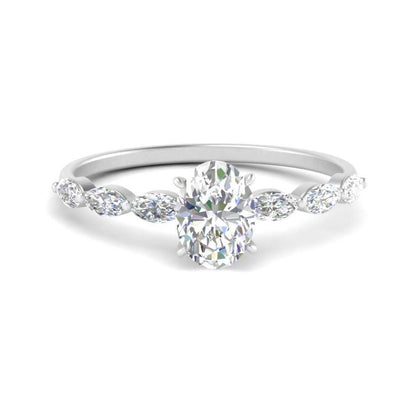
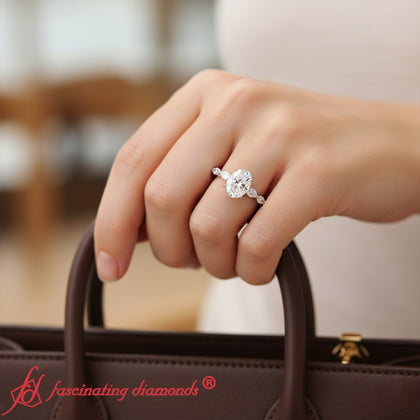
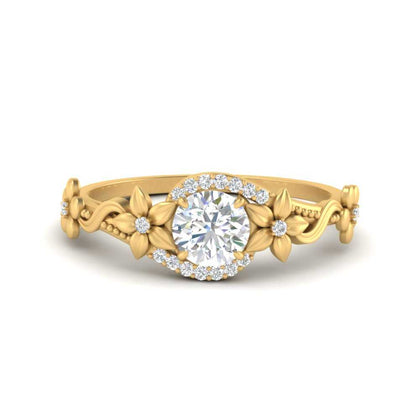
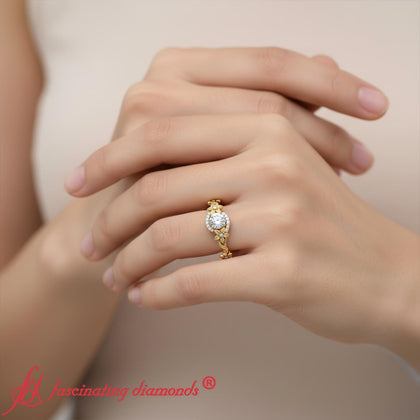
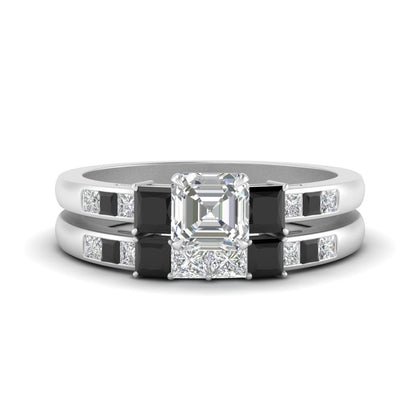
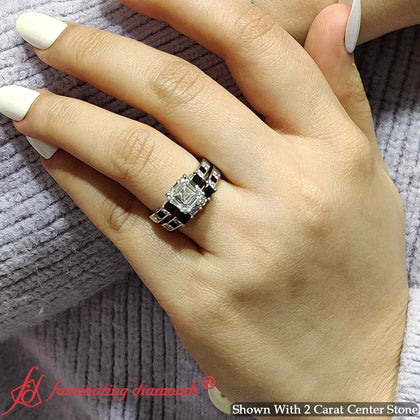
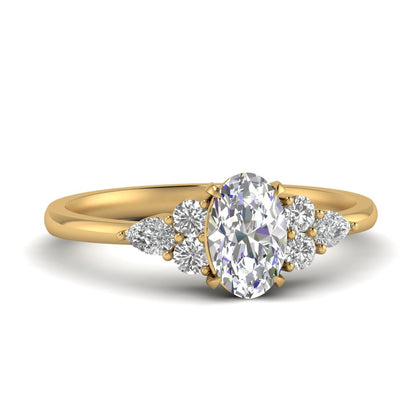
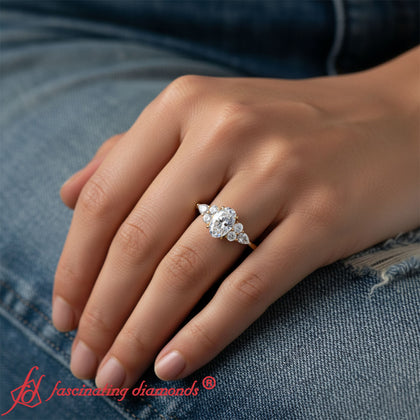
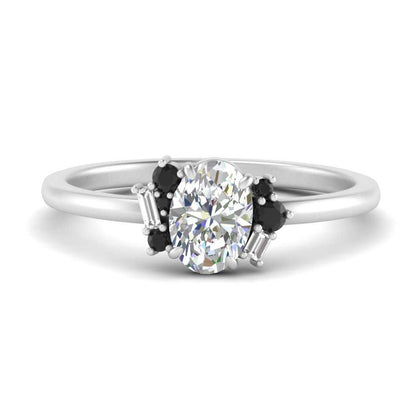
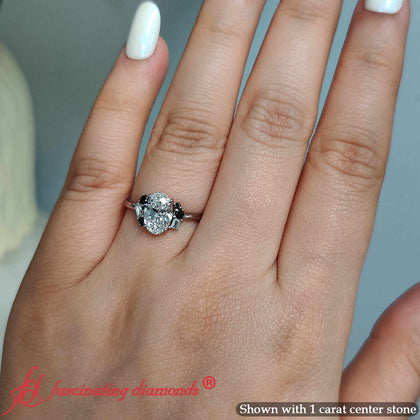
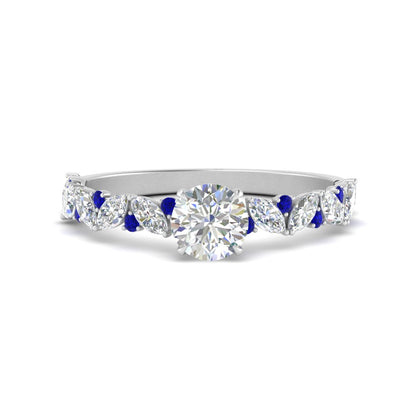
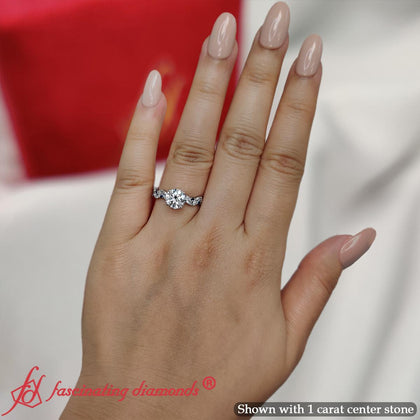
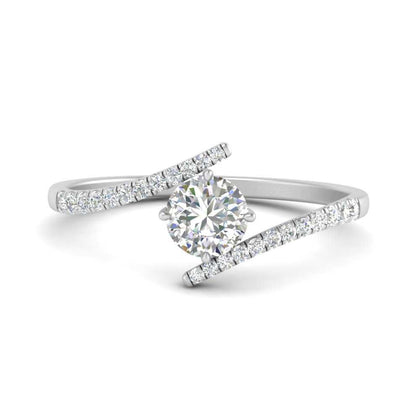
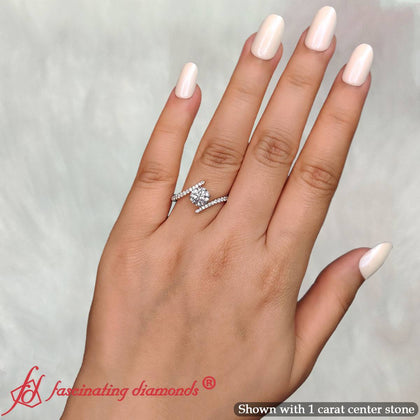
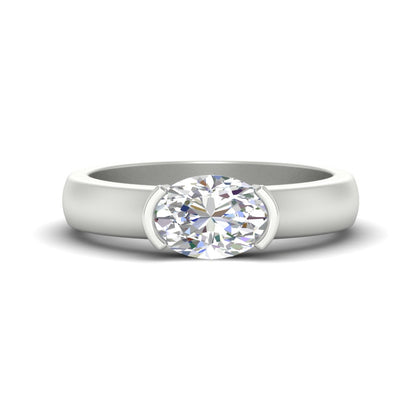
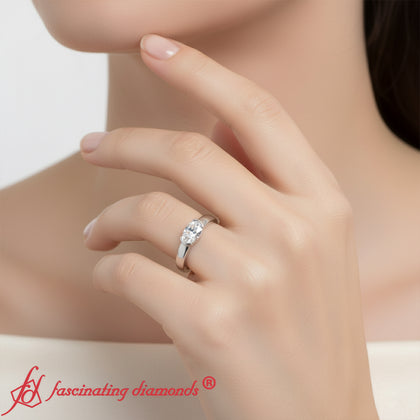
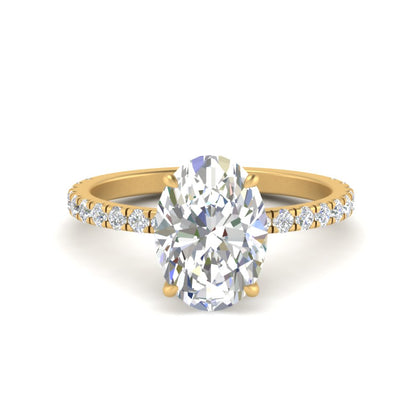
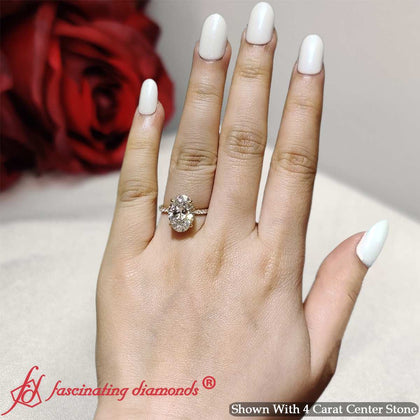
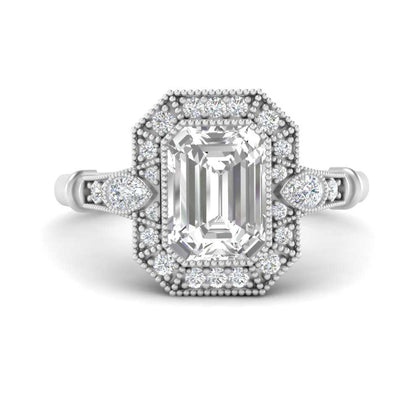
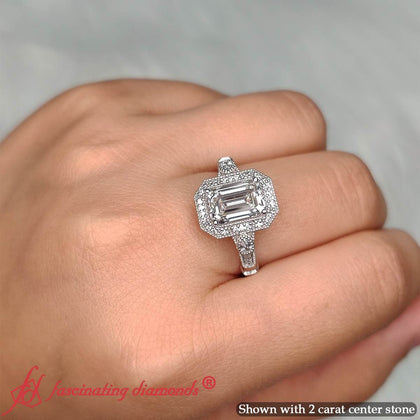
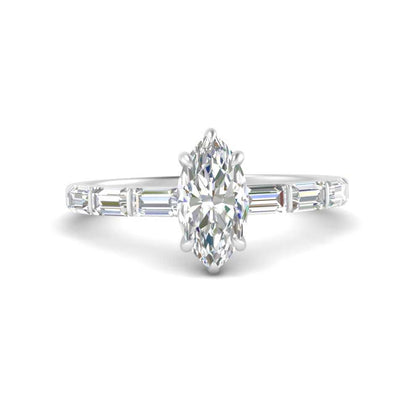
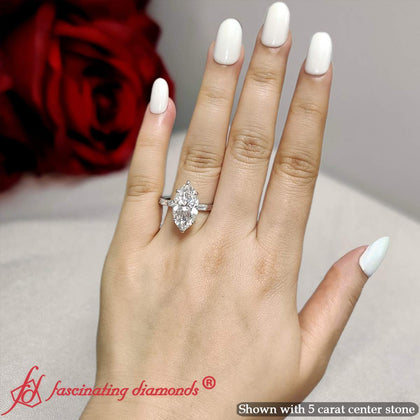
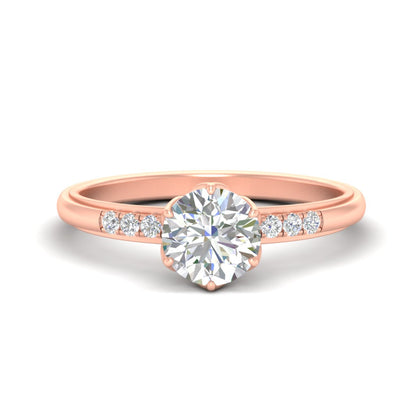
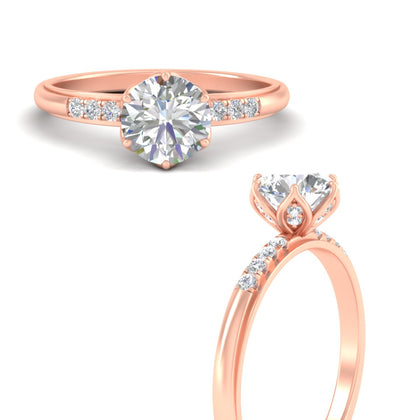
Real Customer Reviews
1 Carat Diamond Rings – Size, Price & Why They’re the Smart Choice
A 1 carat diamond ring remains one of the most balanced and practical choices for couples. It delivers visible brilliance without the high cost or maintenance of larger stones. Compared to 2 or 3 carat rings, a 1 carat diamond feels lighter on the hand, is easier to wear daily, and fits a wide range of ring settings comfortably.
Why Choose a 1 Carat Diamond Ring?
A one carat diamond delivers the ideal mix of size and sophistication. It looks impressive on the hand without feeling oversized. Whether set in a classic solitaire or a glamorous halo, a 1 carat diamond offers versatility across styles and occasions.
This size also photographs beautifully, making it perfect for engagement announcements and everyday elegance alike.
Explore Different Styles of One Carat Diamond Rings
Our collection features a wide range of one carat diamond ring styles to match every personality:
- Classic solitaire one carat diamond rings for timeless appeal
- Halo 1 carat diamond rings for extra sparkle and visual size
- Three-stone one carat diamond engagement rings for meaning and balance
- Vintage-style one carat diamond rings for romantic detail
- Modern 1 carat diamond rings for sleek, contemporary taste
Each design is crafted to enhance the look of a one carat diamond while maintaining perfect proportions on the hand.
1 Carat vs 2 or 3 Carat Diamond Rings
The size difference between a 1 carat diamond ring and a 2 or 3 carat ring is easy to see, but so is the price gap. A 1 carat natural diamond ring of good quality typically ranges from $4,000 to $10,000, while a similar 2 carat diamond can cost between $15,000 and $25,000. A 3 carat diamond ring often starts around $30,000. This makes the 1 carat size a strong choice for value-conscious buyers who want elegance and quality without overspending.
Lab Grown vs Natural 1 Carat Diamonds
A 1 carat lab-grown diamond ring offers the same look and sparkle as a mined stone but costs less — usually between $700 and $2,000. Lab-grown diamonds are identical in composition, come with certification, and are sourced ethically, making them a transparent and responsible alternative.
Best Shapes for 1 Carat Rings
- Oval cut – Appears larger due to its shape, ideal for a longer finger look.
- Emerald cut – Offers a clean, structured appearance with visible clarity.
- Round cut – Delivers maximum brilliance and timeless appeal.
A 1 carat diamond engagement ring, available in both lab-grown and natural options, offers lasting beauty, certified quality, and clear pricing — making it a smart, trustworthy purchase.
FAQs For 1 Carat Diamond Engagement Rings
How big does a 1 carat diamond ring look?
A 1 carat diamond ring typically measures about 6.4 mm in diameter for a round cut. It offers a balanced size that looks elegant on most hands without appearing too large or too small.
What is the price of a 1 carat diamond ring?
A 1 carat natural diamond ring generally costs between $4,000 and $10,000, depending on cut, color, and clarity. A 1 carat lab-grown diamond ring of similar quality is more affordable, priced around $700 to $2,000.
Is a 1 carat diamond ring a good choice for engagement?
Yes. A 1 carat diamond engagement ring offers the ideal mix of brilliance, comfort, and value. It’s easy to wear daily, fits most ring settings, and provides a timeless appearance.
What shapes are best for a 1 carat diamond ring?
Popular shapes include oval, round, and emerald cuts. Oval rings look slightly larger, round cuts offer maximum sparkle, and emerald cuts highlight clarity with a clean, geometric style.
What’s the difference between lab-grown and natural 1 carat diamonds?
Both are real diamonds. The only difference is origin — lab-grown diamonds are created in controlled environments, offering identical quality and certification at a lower price. Natural diamonds are mined and generally more expensive due to rarity.
Is a one carat diamond ring big enough for an engagement ring?
Yes, a one carat diamond ring is considered the ideal size for an engagement ring. It offers noticeable presence on the hand without looking oversized. This balance of size and elegance is why 1 carat diamond rings remain the most popular choice worldwide.
How big does a 1 carat diamond ring look on the finger?
A 1 carat diamond typically measures around 6.4 to 6.5 mm in diameter for a round cut. The visual size also depends on shape and setting. Halo and thin-band settings can make a one carat diamond ring appear larger.
What is the best setting for a one carat diamond ring?
Prong and cathedral settings maximize sparkle by allowing more light into the diamond. Halo and split shank settings make a 1 carat diamond ring look larger. Bezel settings offer the best protection for daily wear.
What band width looks best with a one carat diamond ring?
A thinner band, around 1.6 mm to 2.0 mm, makes a one carat diamond look bigger. A slightly wider band creates a balanced, bold appearance. The best choice depends on hand size and style preference.
Can a one carat diamond ring be upgraded later?
Yes, most one carat diamond rings can be reset into a new setting or upgraded to a larger stone in the future. Classic solitaire settings offer the most flexibility.
Is a one carat diamond ring suitable for smaller hands?
Yes, a one carat diamond ring looks elegant on small hands, especially in oval, pear, or halo settings that enhance finger coverage without overwhelming the hand.
What metal is best for a one carat diamond ring?
Platinum and white gold highlight brilliance. Yellow and rose gold add warmth and contrast. The best metal for a 1 carat diamond ring depends on skin tone, lifestyle, and design preference.