



Lab-grown diamonds are sometimes compared to the “fast fashion” of the diamond world because many are mass-produced at high volumes. While this has made them more accessible, it has also created major differences in quality. One common misconception is that all lab-grown diamonds are automatically flawless or premium, but that isn’t always the case. Some stones are grown with exceptional precision and display outstanding brilliance, while others are produced with quantity over craftsmanship in mind, which can affect their overall beauty and performance.
What to Watch For
When comparing lab-grown diamonds, pay attention to more than the certificate.
Look for:
- Bright, lively sparkle
- Crisp facet definition
- Even color appearance
- Strong transparency
- No hazy or sleepy look
A lower-priced diamond may look good on paper but perform poorly in person.
That’s why visual quality matters as much as grading.


Frequently Asked Questions
1. Are lab-grown diamonds real diamonds?
Yes, lab-grown diamonds are real diamonds. They have the same chemical, physical, and optical properties as mined diamonds. The only difference is their origin.
2. Why do some lab-grown diamonds look cloudy or hazy?
Cloudiness can come from growth-related issues like structural graining or poor crystal formation. These factors reduce transparency and affect how light passes through the diamond.
3. Is an IGI certificate enough to choose a lab-grown diamond?
No, an IGI certificate is a starting point. It shows the 4Cs, but it doesn’t fully capture sparkle, transparency, or visual appeal. Always review videos or see the diamond in person.
4. What is blue nuance in lab-grown diamonds?
Blue nuance is a slight bluish tint seen in some lab-grown diamonds, especially those created using certain growth methods. It can affect how colorless the diamond appears in different lighting.
5. Are lab-grown diamonds cheaper than natural diamonds?
Yes, lab-grown diamonds are usually more affordable than natural diamonds of similar size and quality. The lower price comes from controlled production, not lower authenticity.
6. Do lab-grown diamonds sparkle the same as natural diamonds?
They can, but only if the quality is high. Poorly grown diamonds may have reduced brilliance due to haziness or structural issues.
7. What should I look for when buying a lab-grown diamond?
Focus on sparkle, transparency, color consistency, and sharp faceting. Avoid stones with milky appearance, dullness, or unusual undertones.
8. Can two lab-grown diamonds with the same specs look different?
Yes, two diamonds with identical grading reports can still look very different. Growth quality and crystal structure affect visual performance.
9. Does the jeweler matter when buying a lab-grown diamond?
Yes, a good jeweler helps you avoid low-quality stones and guides you toward diamonds with strong visual appeal, not just good specs on paper.
10. Is it better to choose the cheapest lab-grown diamond?
Not always. Very low prices can sometimes indicate compromised quality. It’s better to focus on overall beauty and performance rather than price alone.
More From This Blog
-

How to Style an East West Engagement Ring
-
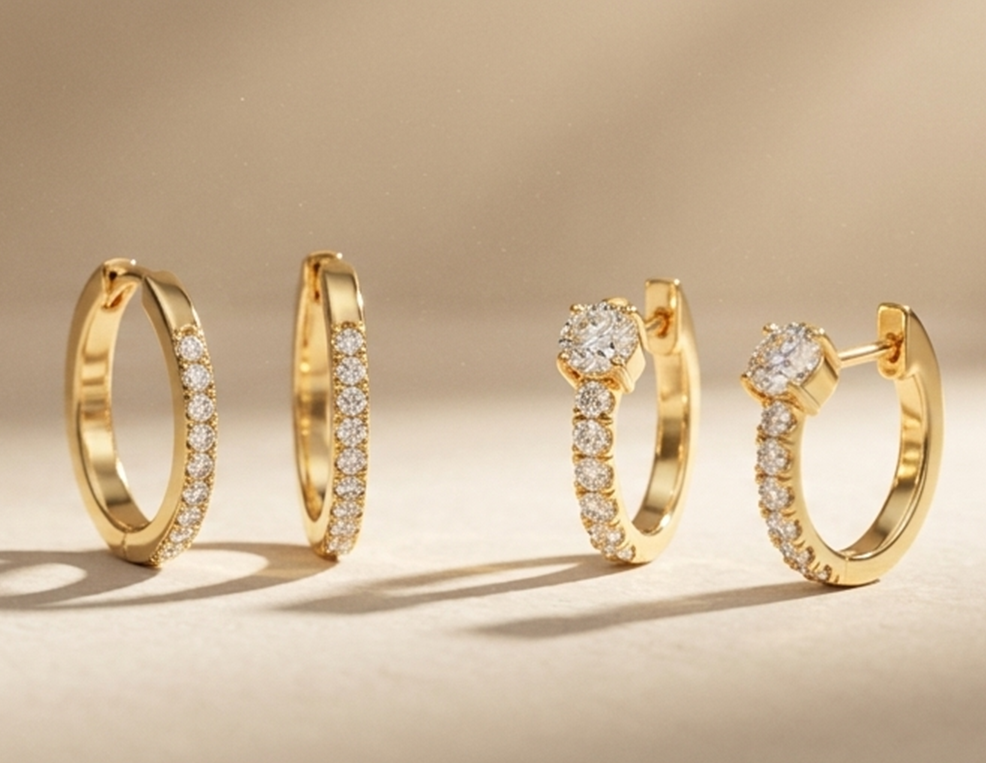
What Are Diamond Hoop Earrings? A Complete Guide to Styles, Metals & Diamond Types
-

Diamond Earrings for Every Face Shape: A Complete Style Guide
-

Asscher Cut vs Emerald Cut Diamonds
-

VS1 vs VVS2 Diamond Clarity
-

VVS1 Diamonds: Meaning, Clarity, Price, and How They Compare to VVS2
-

5 Things You Need to Know Before Buying a Lab-Grown Diamond
-

5 Things to Know Before Designing a Custom Engagement Ring


