


- What Is a Ruby Gemstone
- History of Ruby and Its Origins
- Why Ruby Is So Valuable
- Ruby Color and Quality Factors
- Natural vs Lab Grown Rubies
- Ruby Treatments Explained
- Ruby Engagement Rings
- Ruby Wedding Bands and Anniversary Rings
- Ruby Earrings and Necklaces
- Ruby Durability and Everyday Wear
- Who Should Choose a Ruby Gemstone
- Conclusion
Ruby is one of the most powerful and emotionally charged gemstones in history. Known for its deep red color and exceptional strength, ruby has long been associated with love, passion, courage, and royalty. For centuries, it has been worn by kings, warriors, and collectors as a symbol of wealth and protection. Today, ruby remains one of the most valuable colored gemstones, prized for both its beauty and durability.
This guide explains what ruby is, where it comes from, how it’s graded, how it’s used in jewelry, and how to choose the right ruby for long term wear.

What Is a Ruby Gemstone
Ruby is the red variety of the mineral corundum. Its color comes from trace amounts of chromium within the crystal structure. If corundum appears in any other color, it is classified as sapphire. Only red corundum earns the name ruby.
High quality rubies show a vibrant red tone with strong saturation and natural brilliance. The finest stones balance color intensity with clarity and transparency.

History of Ruby and Its Origins
Ruby has been treasured for over two thousand years. Ancient cultures believed ruby carried the power of life itself because of its blood red color.
In ancient India, ruby was called the “king of gemstones” and was associated with vitality, protection, and prosperity. Warriors believed rubies made them invincible in battle. In Burma, now Myanmar, rubies were worn into armor for protection.
During the Middle Ages, European royalty valued rubies as symbols of authority and wealth. They were often set into crowns, ceremonial jewelry, and religious objects.
Historically important ruby sources include:
- Myanmar (Burma)
- Sri Lanka
- Thailand
- Cambodia
Modern sources also include Mozambique, Madagascar, and Tanzania.

Why Ruby Is So Valuable
Ruby is valuable because of its rarity, durability, and color intensity. Fine quality rubies are rarer than diamonds, especially in larger sizes.
Key reasons for ruby’s value:
- Exceptional hardness, 9 on the Mohs scale
- Rich red color with strong saturation
- Limited supply of untreated, high quality stones
- Strong cultural and historical significance
Rubies with vivid red color and minimal inclusions can command extremely high prices per carat.

Ruby Color and Quality Factors
Ruby quality is determined using the same four main factors applied to other gemstones.
Color
Color is the most important factor. The finest rubies display a pure red to slightly purplish red tone. The most famous shade is often described as “pigeon blood red,” known for its depth and glow.
Clarity
Most natural rubies contain inclusions. Small inclusions are acceptable and often expected. Eye clean stones are rare and highly valuable.
Cut
A well cut ruby maximizes color and brilliance. Poor cutting can make even a richly colored stone look dull or dark.
Carat Weight
Rubies increase sharply in value as size increases. Stones over one carat with fine color are considered rare.

Natural vs Lab Grown Rubies
Natural rubies form over millions of years under intense heat and pressure. Lab grown rubies have the same chemical and physical structure but are created in controlled environments.
Natural rubies:
- Rarer and more valuable
- Often contain natural inclusions
- Preferred for investment and heirloom jewelry
Lab grown rubies:
- More affordable
- Visually similar
- Popular for fashion jewelry and budget conscious buyers
Both options offer durability and beauty when well crafted.

Ruby Treatments Explained
Most rubies on the market are heat treated to enhance color and clarity. This treatment is stable and widely accepted.
Common treatments include:
- Heat treatment to improve color
- Fracture filling in lower quality stones
Untreated rubies are rare and command premium prices. Certification helps confirm treatment status.
Ruby Engagement Rings
Engagement rings symbolize passion and commitment. They work well in solitaire rings, halo rings, and vintage designs rings. Ruby pairs beautifully with diamonds and white metals.
-
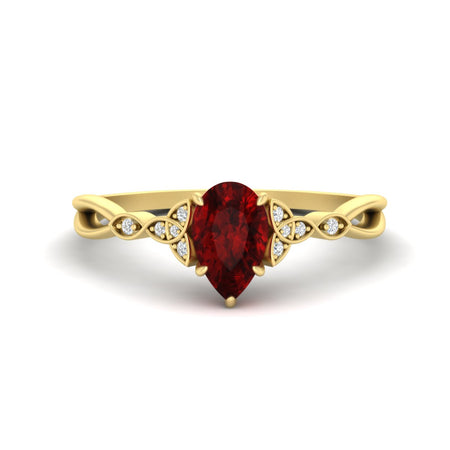
Celtic Knot Pear Shaped Colored Ring
$1,689.35Shop Now -
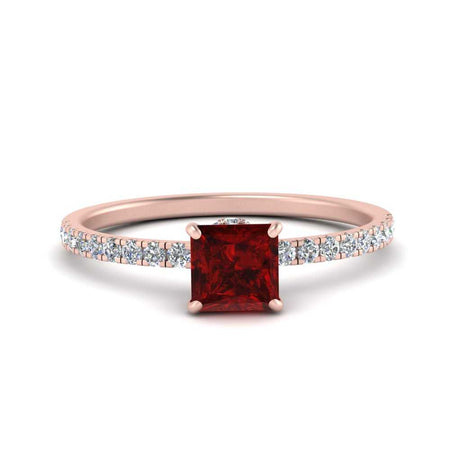
Under Halo Princess Cut Gemstone And Diamond Ring
$1,670.95Shop Now -
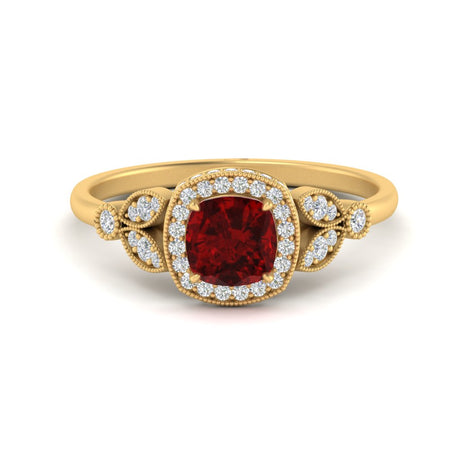
Leaf Cushion Cut Gemstone Vintage Engagement Ring
$2,121.75Shop Now -
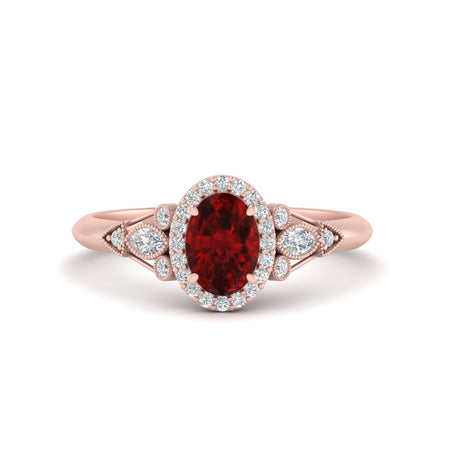
Oval Halo Gemstone Milgrain Engagement Ring
$2,260.90Shop Now -
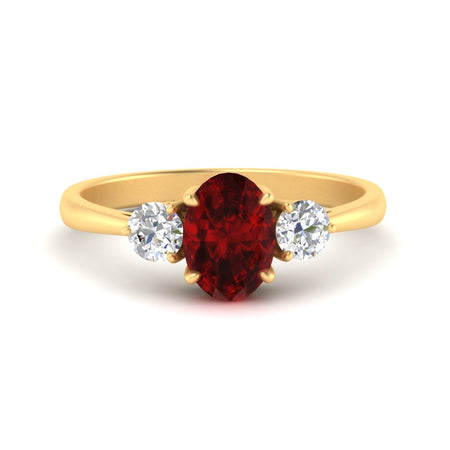
Gemstone Classic 3 Stone Ring
$2,358.65Shop Now -
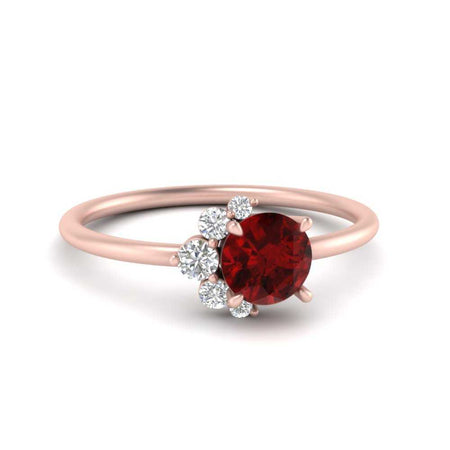
Antique Round Gemstone Rings
$1,186.80Shop Now -
SAVE 64%
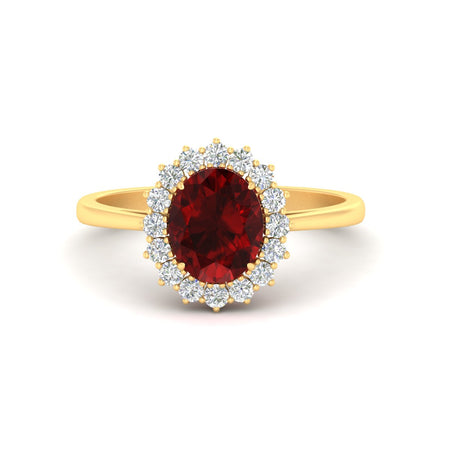
Oval Gemstone Halo Diamond Engagement Ring
$2,500.10$6,925.30Shop Now -
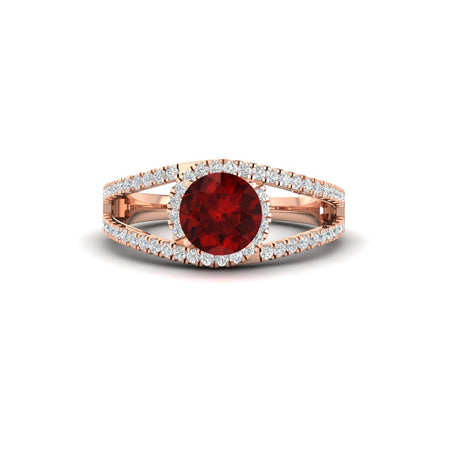
Round Gemstone Halo Swirl Split Ring
$1,979.15Shop Now -
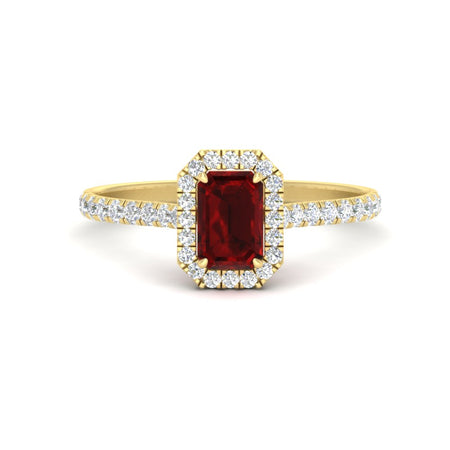
Gemstone Halo Diamond Engagement Ring
$1,844.60Shop Now -
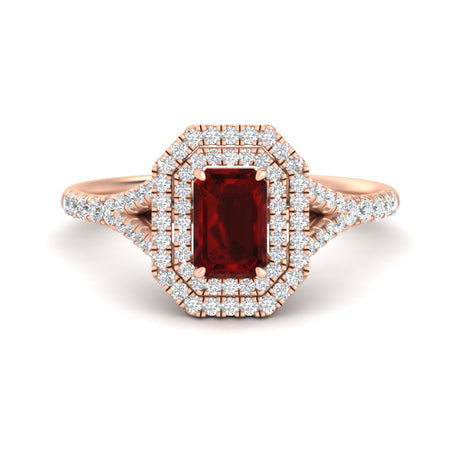
Split Shank Emerald Cut Gemstone Engagement Ring
$2,151.65Shop Now -
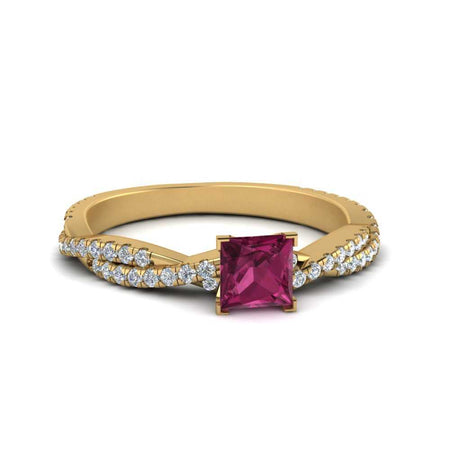
Princess Cut Gemstone Infinity Twist Ring
$1,937.75Shop Now -
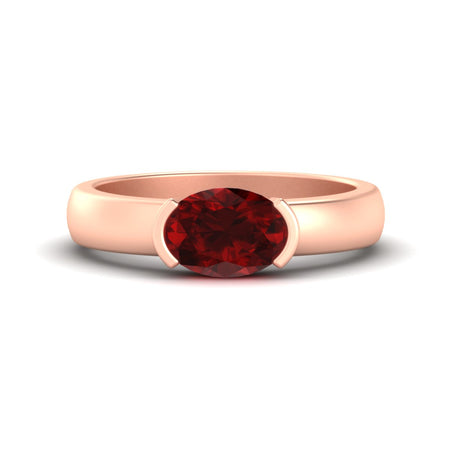
Half Bezel Oval East West Colored Ring
$3,136.05Shop Now
Ruby Wedding Bands and Anniversary Rings
Ruby bands represent love and longevity. Many couples choose ruby as an anniversary stone, especially for milestone years.
-
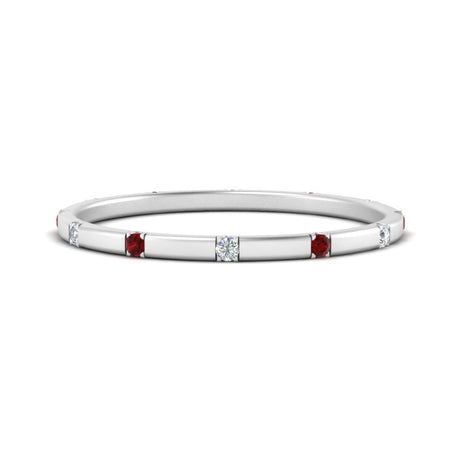
Thin Space Out Stackable Band
$455.40Shop Now -
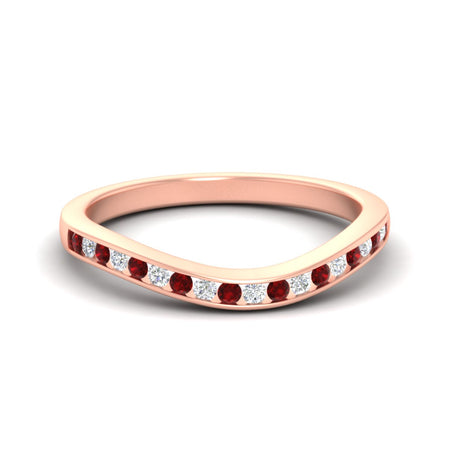
Curved Matching Channel Set Band For Ring
$724.50Shop Now -
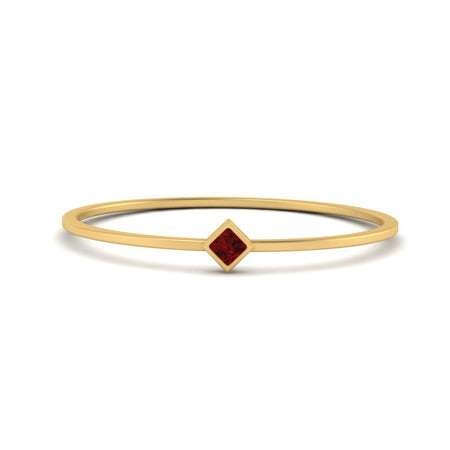
Princess Cut Stackable Ring Band
$457.70Shop Now -
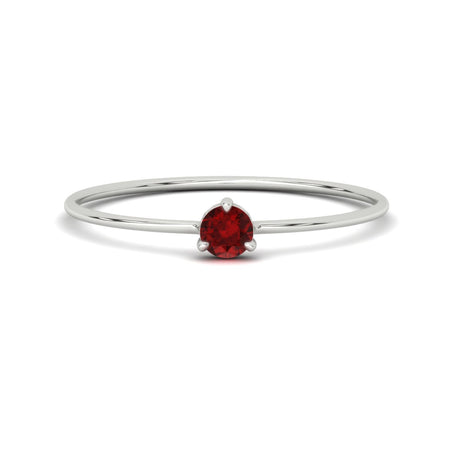
3 Prong Round Tiny Band Stack Ring
$451.95Shop Now -
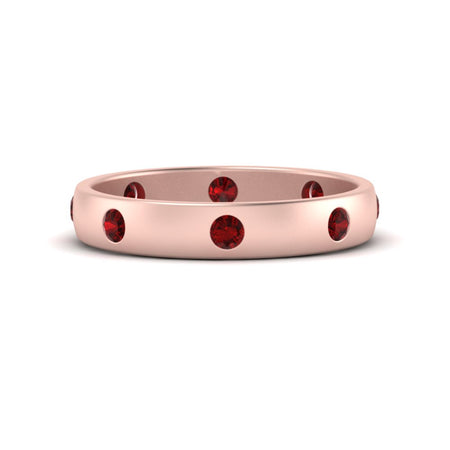
Round Diamond Flush Set Eternity Wedding Band
$1,075.25Shop Now -
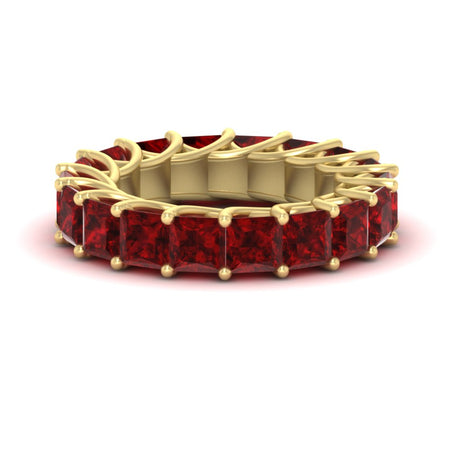
10 Carat Princess Cut Diamond Trellis Setting Eternity Ring
$7,685.45Shop Now -
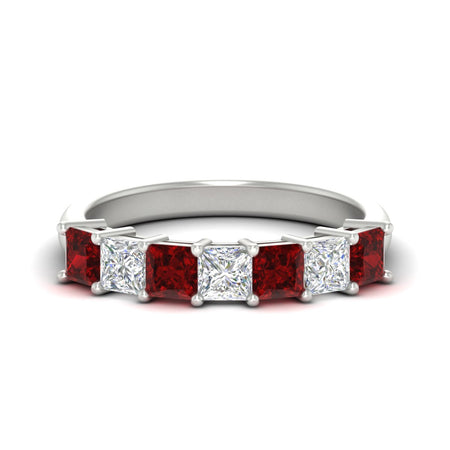
2 Carat Princess 7 Stone Anniversary Diamond Band
$2,705.95Shop Now -
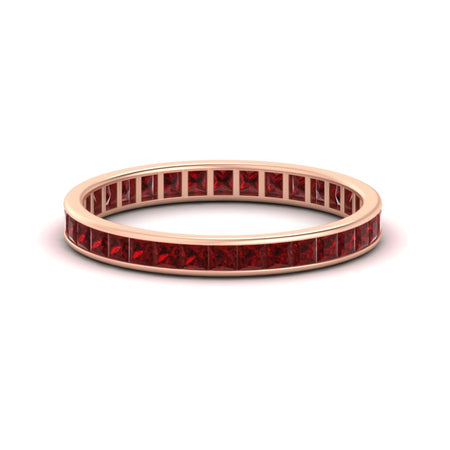
1 Carat Diamond Channel Set Princess Cut Eternity Band
$1,375.40Shop Now -
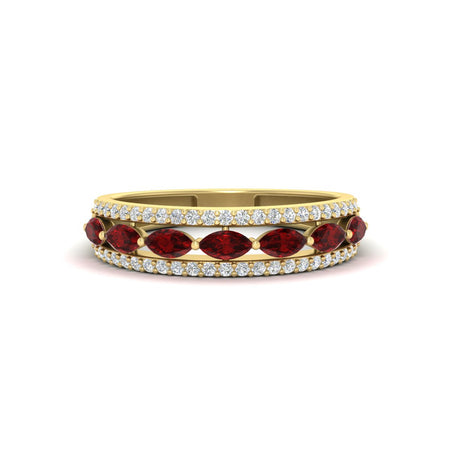
3 Row Cute Stackable Band
$1,536.40Shop Now
Ruby Earrings and Necklaces
Ruby studs, drops, and pendants add rich color without overpowering an outfit. They work equally well in classic and modern designs.
-
SAVE 18%
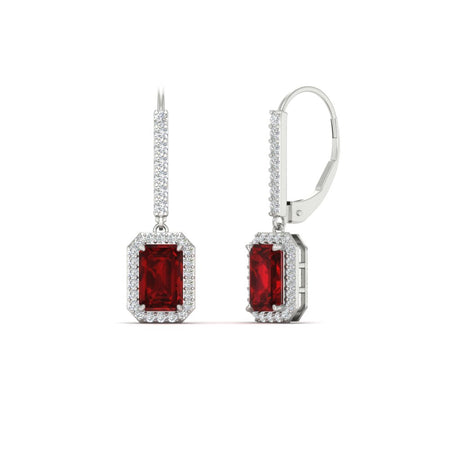
1 Carat Emerald Cut Drop Halo Leverback Earrings
$1,152.30$1,411.05Shop Now -
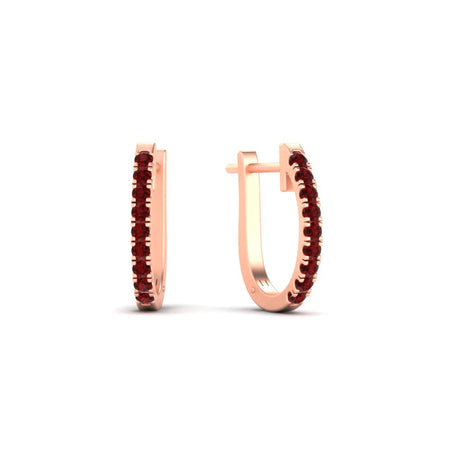
Dainty Huggie Hoops Earring
$1,155.75Shop Now -
SAVE 19%
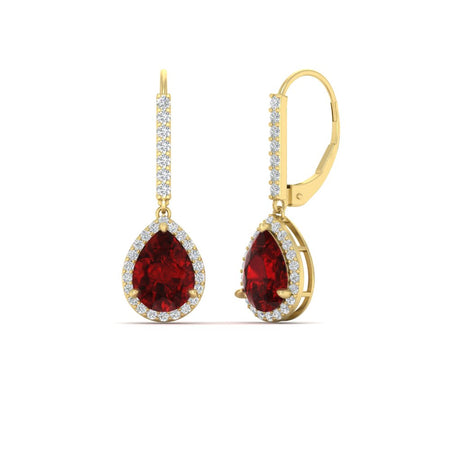
3 Carat Pear Shaped Halo Leverback Drop Earrings
$2,291.95$2,834.75Shop Now -
SAVE 20%
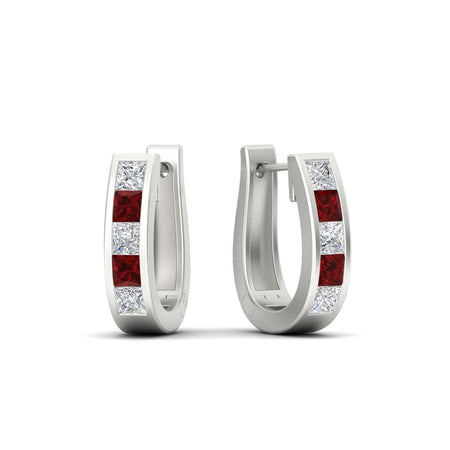
Channel Set Huggie Hoop Earring
$936.10$1,169.55Shop Now -
SAVE 19%
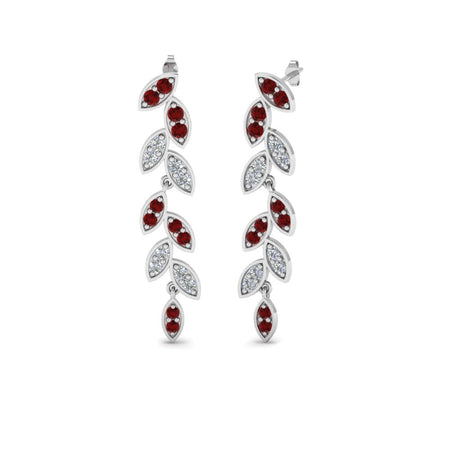
Pave Diamond Leaf Drop Earring
$1,210.95$1,493.85Shop Now -
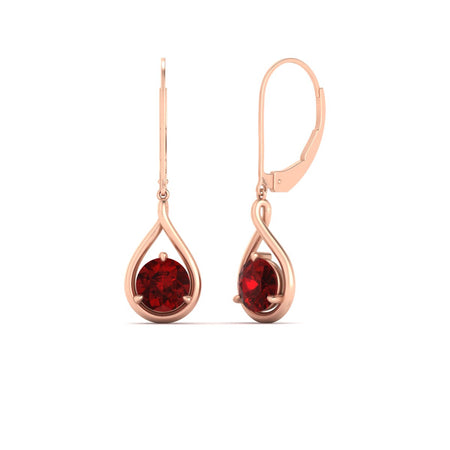
Solitaire Drop Earrings
$1,849.20Shop Now -
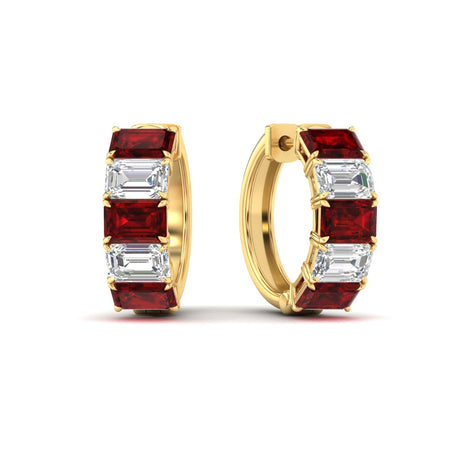
5 Carat Five Stone Emerald Cut Hoop Earrings
$3,916.90Shop Now -
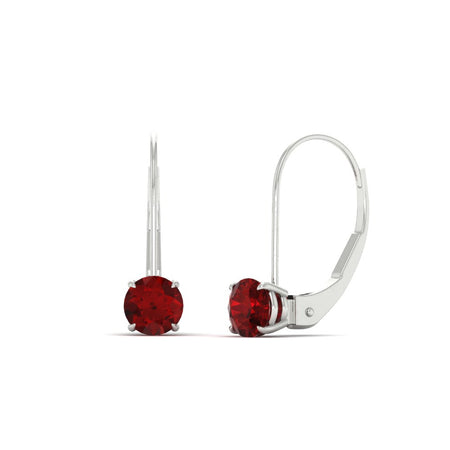
1 Carat Round Diamond Lever Back Earrings
$1,279.95Shop Now -
SAVE 20%
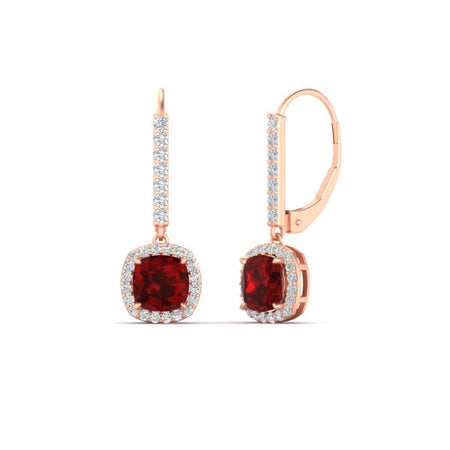
1 Carat Cushion Cut Halo Lever Back Earrings
$1,097.10$1,376.55Shop Now -
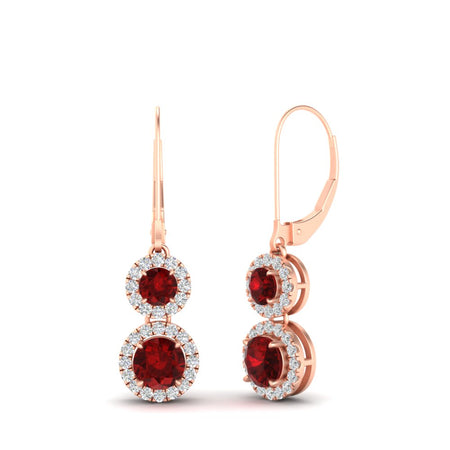
Round Double Drop Lever Back Halo Earrings
$1,784.80Shop Now
-
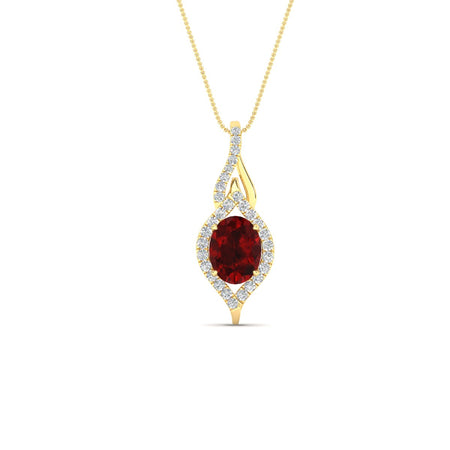
Oval Halo Pave Drop Necklace
$2,032.05Shop Now -
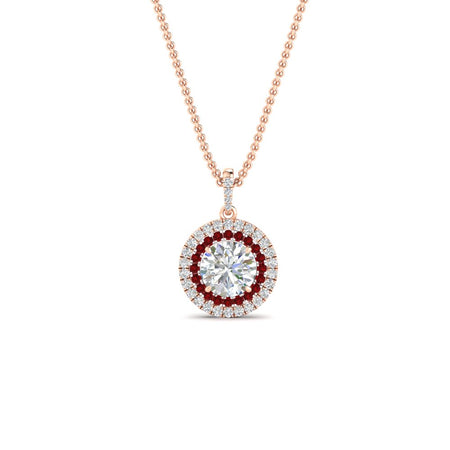
Women Double Halo Pendant Necklace
$1,588.15Shop Now -
SAVE 20%
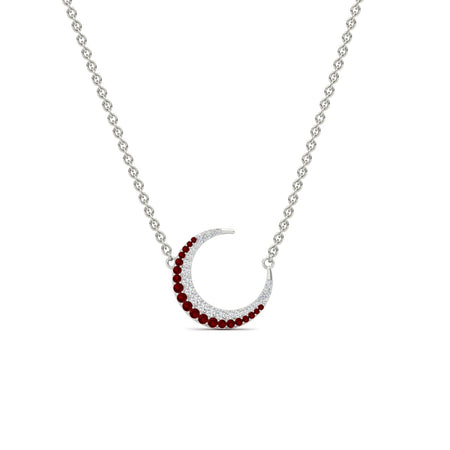
Moon Pendant Necklace
$1,036.15$1,296.05Shop Now -
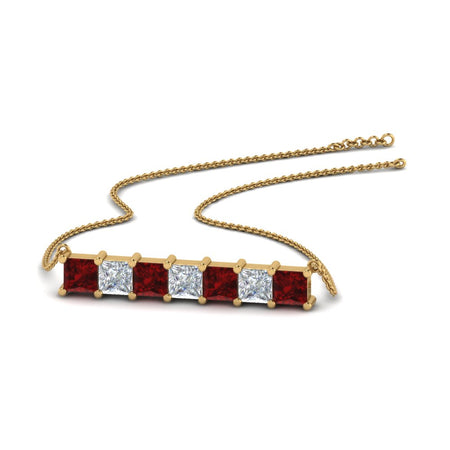
Princess Cut Horizontal Bar Pendant
$1,536.40Shop Now -
SAVE 20%
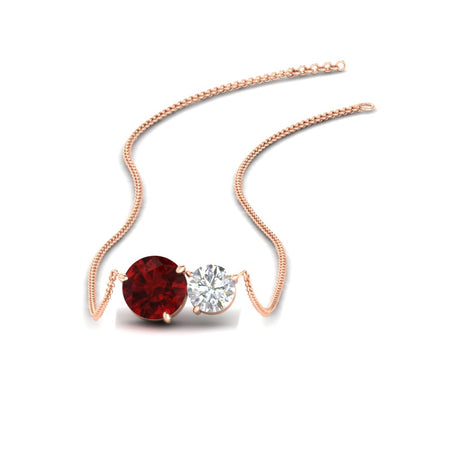
Two Stone Round Pendant
$685.40$856.75Shop Now -
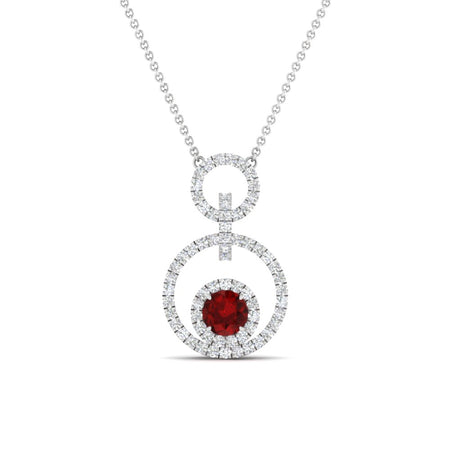
Multi Ring Interlocked Pendant
$1,488.10Shop Now -
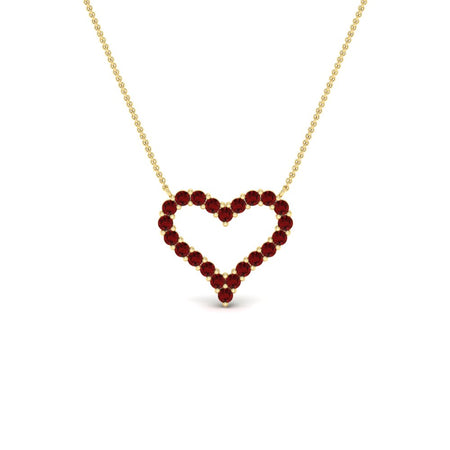
Open Heart Necklace Pendant
$1,140.80Shop Now -
SAVE 20%
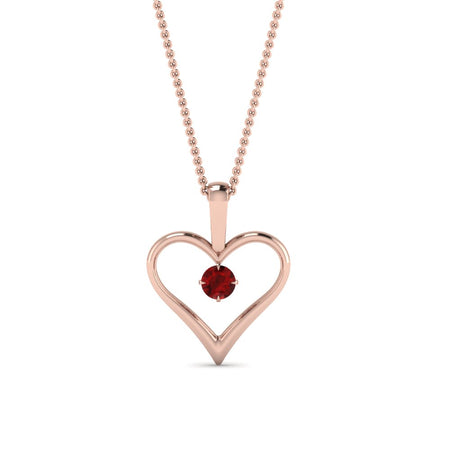
Solitaire Heart Pendant
$722.20$902.75Shop Now -
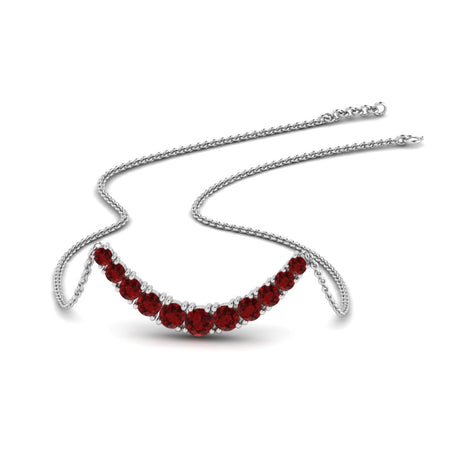
Graduated Smile Necklace
$1,595.05Shop Now -
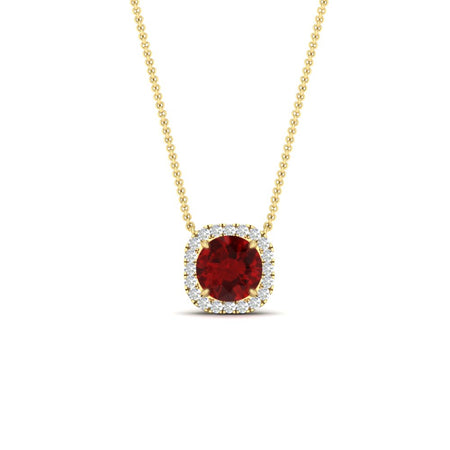
Charming Cushion Halo Round Pendant
$1,826.20Shop Now -
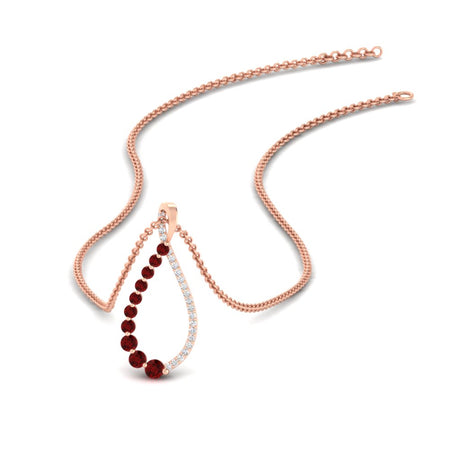
Infinity Style Floating Pendant
$1,588.15Shop Now

Ruby Durability and Everyday Wear
Ruby is ideal for everyday wear. Its hardness resists scratching, making it suitable for rings worn daily. Protective settings help maintain long term beauty.
Care tips include:
- Cleaning with mild soap and warm water
- Avoiding harsh chemicals
- Regular inspection of prongs and settings

Who Should Choose a Ruby Gemstone
Ruby is ideal for buyers who:
- Want a durable colored gemstone
- Value symbolism and emotional meaning
- Prefer rich, bold color
- Want a gemstone that stands out from traditional choices
Ruby is especially meaningful for romantic jewelry, heirloom pieces, and statement designs.
Conclusion
Ruby is a gemstone defined by strength, passion, and history. Its vivid red color, exceptional durability, and deep symbolism make it one of the most treasured gems in the world. Whether chosen for an engagement ring, fine jewelry, or personal collection, ruby offers timeless beauty that lasts for generations.
Real Customer Reviews
Frequently Asked Questions
Q1. Is ruby suitable for everyday jewelry?
Yes. Ruby ranks 9 on the Mohs hardness scale, making it one of the strongest gemstones for daily wear, including rings and bracelets.
Q2. Why are rubies more expensive than many other gemstones?
Fine rubies are rare, especially in larger sizes with strong red color and good clarity. High demand and limited supply drive prices up.
Q3. What color ruby is considered the best?
The most valuable rubies show a vivid red to slightly purplish red color, often referred to as pigeon blood red.
Q4. Are most rubies treated?
Yes. Heat treatment is common and accepted in the market. Untreated rubies are rare and priced significantly higher.
Q5. How can I tell if a ruby is natural or lab grown?
Visual differences are minimal. Certification from a gemological lab is the most reliable way to confirm origin and treatments.
Q6. Do rubies fade over time?
No. Ruby color is stable and does not fade with normal wear or exposure to light.
Q7. Is ruby a good alternative to diamond engagement rings?
Yes. Ruby offers strong durability and meaningful symbolism, making it a popular non-traditional engagement ring choice.