


- What Is a Sapphire Gemstone?
- History and Origin of Sapphire
- Where Sapphires Are Found
- Sapphire Colors and Types
- Sapphire Quality Factors
- Natural vs Lab Created Sapphires
- Sapphire Treatments Explained
- Sapphire Engagement Rings
- Sapphire Wedding Bands
- Sapphire Earrings
- Sapphire Necklaces and Bracelets
- Durability and Everyday Wear
- How to Care for Sapphire Jewelry
- Why Choose Sapphire?
- Conclusion
Sapphire is one of the most valued gemstones in the world. Known for its deep blue color, it actually comes in many shades and styles. For centuries, sapphire has symbolized wisdom, loyalty, protection, and royal status. Today, it’s worn in everything from engagement rings to everyday jewelry, loved for both its beauty and strength.
This guide covers everything you need to know about sapphire gemstones, from their origins to how to choose the right one.

What Is a Sapphire Gemstone?
Sapphire is a precious gemstone from the corundum mineral family. The same mineral also forms rubies. The difference comes down to color. Red corundum is ruby, and every other color is classified as sapphire.
Blue sapphire is the most famous variety, but sapphires also appear in pink, yellow, green, purple, white, and even color changing forms. These are often called fancy sapphires.

History and Origin of Sapphire
Sapphires have been admired for thousands of years. Ancient Persians believed the sky was blue because it reflected a giant sapphire. In medieval Europe, clergy wore sapphires to symbolize heaven and purity. Kings and queens favored sapphire jewelry as a sign of wisdom and divine favor.
Some of the most historically important sapphires came from Sri Lanka, formerly known as Ceylon. Kashmir sapphires from the 19th century became legendary for their velvety blue tone. Myanmar and Thailand also played major roles in sapphire trade.
Even today, sapphire remains closely linked to royalty and tradition, especially in engagement rings.

Where Sapphires Are Found
Natural sapphires are mined in several parts of the world, each known for distinct characteristics.
Sri Lanka produces bright, well balanced blue and pastel sapphires.
Kashmir sapphires are rare and prized for their soft, rich blue color.
Myanmar sapphires often show deep saturation and strong intensity.
Madagascar offers a wide range of colors and sizes.
Australia is known for darker blue and greenish sapphires.
Origin can influence value, but color and clarity matter more in most buying decisions.
Sapphire Colors and Types

Blue Sapphire
The classic choice. Blue sapphires range from light sky blue to deep royal blue. Medium to deep blue with strong saturation is usually the most valuable.

Fancy Color Sapphires
These include pink, yellow, orange, purple, green, and white sapphires. Each color has its own appeal and price range.

Padparadscha Sapphire
A rare and highly prized sapphire with a pink orange hue. It’s one of the most valuable sapphire varieties.

Color Change Sapphire
These sapphires appear blue in daylight and shift to purple or violet under indoor lighting. They’re rare and visually striking.
Sapphire Quality Factors
Like diamonds, sapphires are judged on several key factors.

Color
Color is the most important factor. Buyers look at hue, tone, and saturation. Rich color without looking too dark or too pale is ideal.
Clarity
Most sapphires have natural inclusions. Eye clean stones are preferred, but minor inclusions are acceptable and expected.
Cut
A good cut enhances color and brilliance. Poor cutting can make even a high quality sapphire look dull.
Carat Weight
Larger sapphires increase in value quickly, especially when color quality remains strong.

Natural vs Lab Created Sapphires
Natural sapphires form over millions of years inside the earth. Lab created sapphires have the same chemical and physical properties but are grown in controlled environments.
Natural sapphires are rarer and usually more expensive.
Lab sapphires offer excellent color and clarity at a lower price.
Both are durable and suitable for fine jewelry. The choice often depends on budget and personal preference.

Sapphire Treatments Explained
Most sapphires on the market are heat treated. This process improves color and clarity and is considered stable and accepted in the gemstone industry.
Untreated sapphires are rarer and cost more.
Heat treated sapphires offer better appearance at a more accessible price.
Any treatment should always be disclosed at purchase.
Sapphire Engagement Rings
Chosen for durability and symbolism. Blue sapphire engagement rings are timeless, while pink and yellow sapphires offer a modern twist.
-
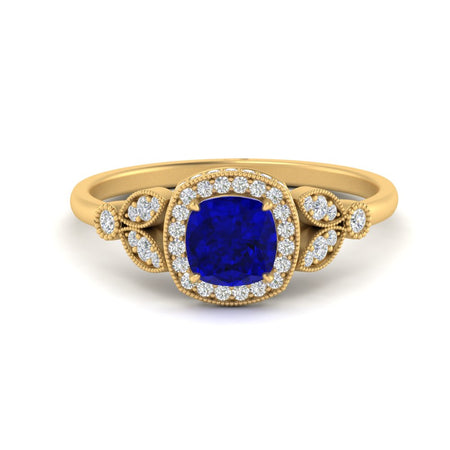
Leaf Cushion Cut Gemstone Vintage Engagement Ring
$2,121.75Shop Now -
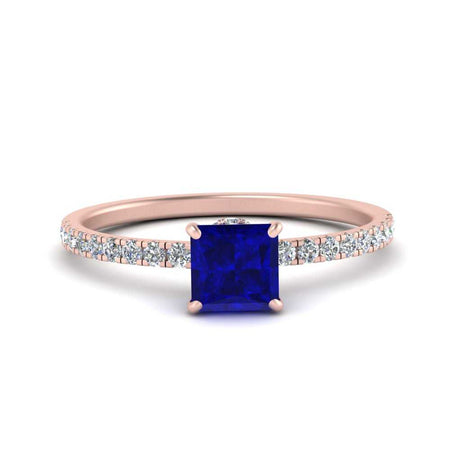
Under Halo Princess Cut Gemstone And Diamond Ring
$1,670.95Shop Now -
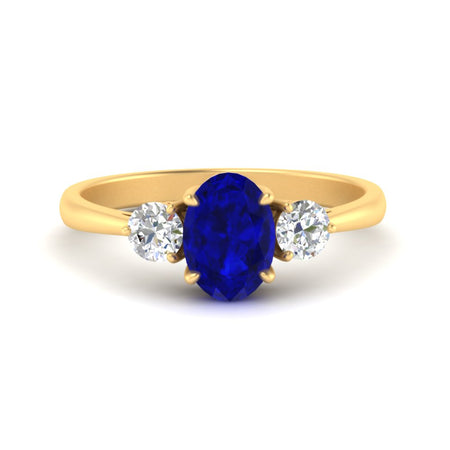
Gemstone Classic 3 Stone Ring
$2,358.65Shop Now -
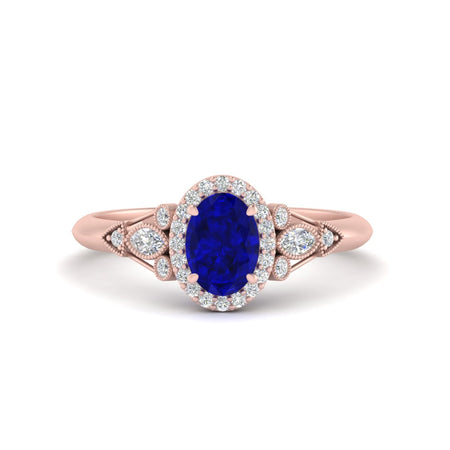
Oval Halo Gemstone Milgrain Engagement Ring
$2,260.90Shop Now -
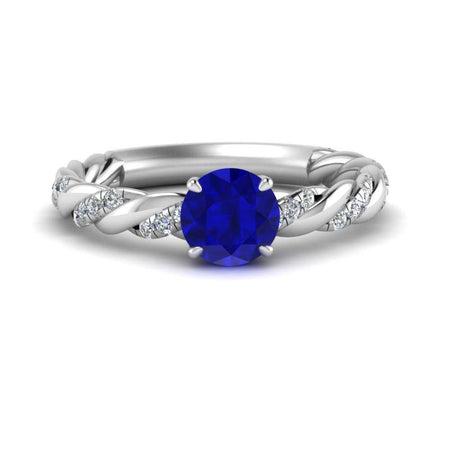
Round Rope Gemstone Engagement Ring
$1,822.75Shop Now -
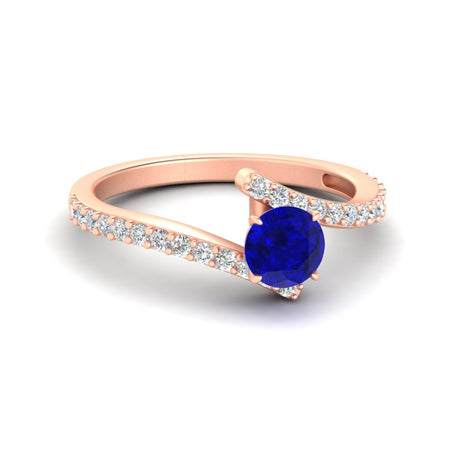
Beautiful Crossover Gemstone Ring
$1,428.30Shop Now -
SAVE 64%
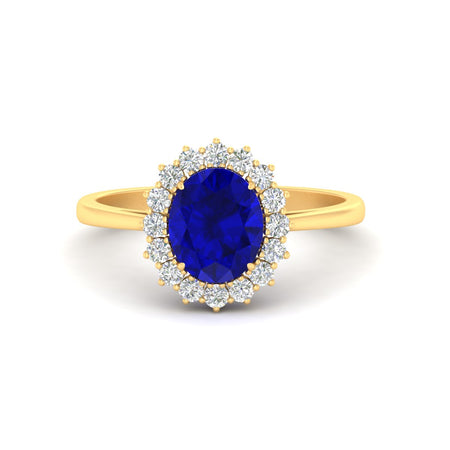
Oval Gemstone Halo Diamond Engagement Ring
$2,500.10$6,925.30Shop Now -
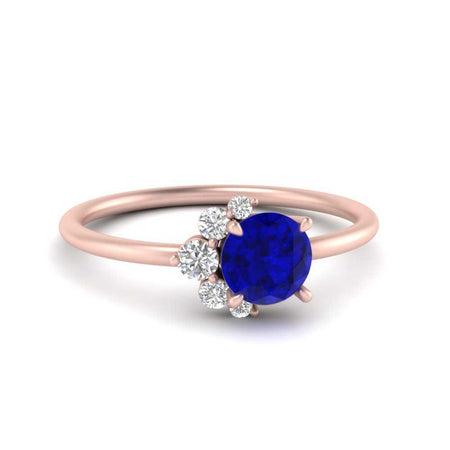
Antique Round Gemstone Rings
$1,186.80Shop Now -
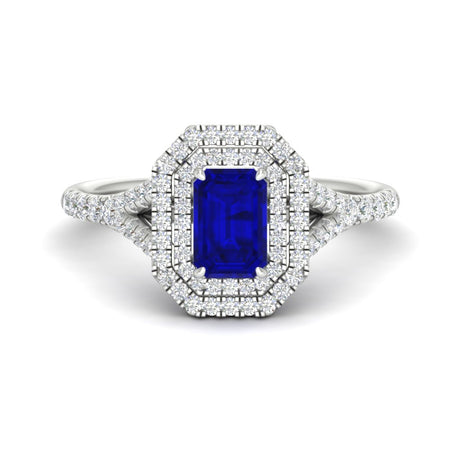
Split Shank Emerald Cut Gemstone Engagement Ring
$2,151.65Shop Now -
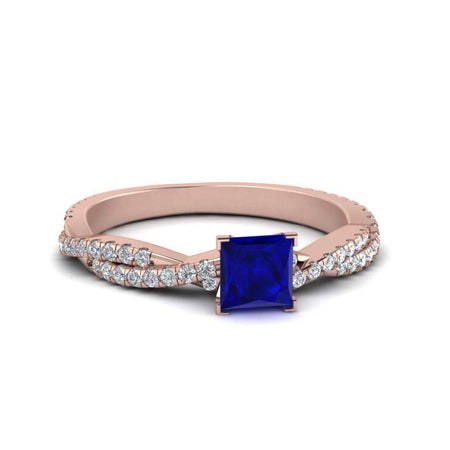
Princess Cut Gemstone Infinity Twist Ring
$1,937.75Shop Now -
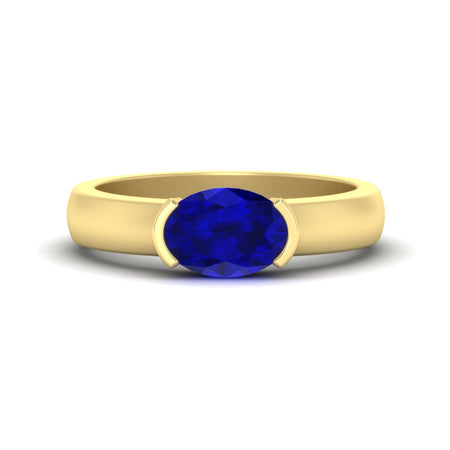
Half Bezel Oval East West Colored Ring
$3,136.05Shop Now -
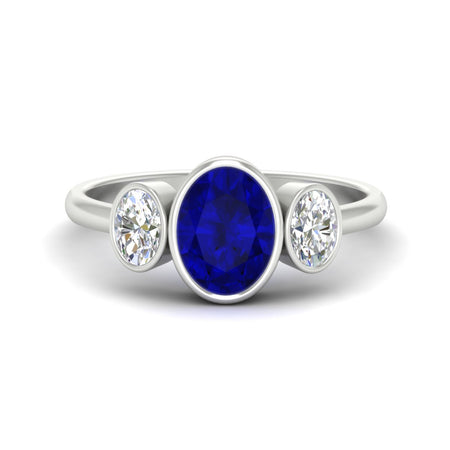
3 Stone Oval Bezel Gemstone Engagement Ring
$2,191.90Shop Now
Sapphire Wedding Bands
Sapphire wedding bands blend timeless elegance with vibrant color, symbolizing loyalty and enduring love. Their durable gemstones and classic designs make them perfect for daily wear and lasting commitment.
-
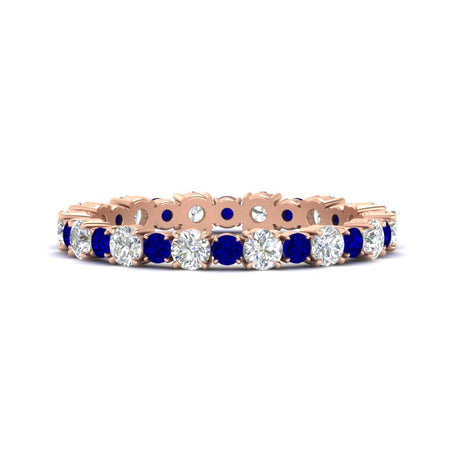
0.75 Carat Round Diamond Alternating Size Eternity Ring
$1,381.15Shop Now -
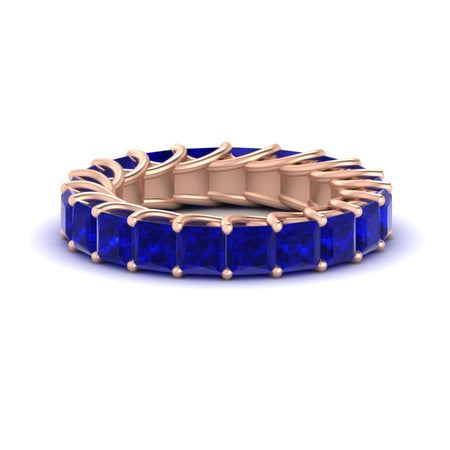
4 Carat Princess Cut Anniversary Diamond Eternity Band For Her
$3,990.50Shop Now -
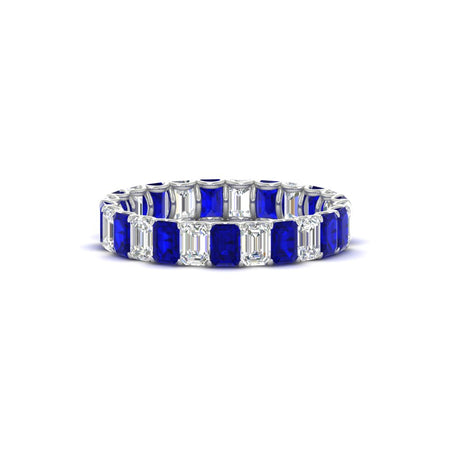
3 Carat Emerald Cut Diamond Eternity Anniversary Band
$2,424.20Shop Now -
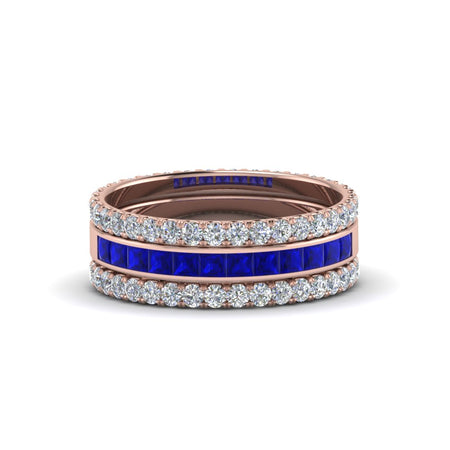
3 Piece Stackable Eternity Band
$3,508.65Shop Now -
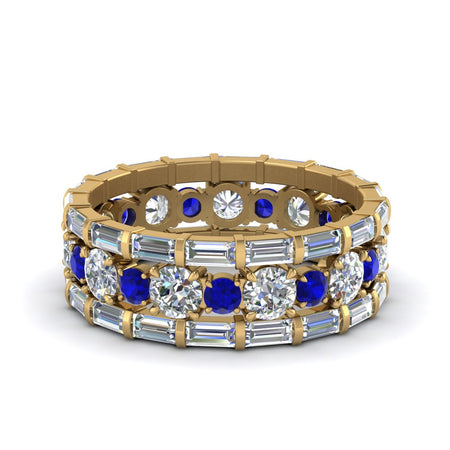
Eternity Stacking Band With Baguette
$3,201.60Shop Now -
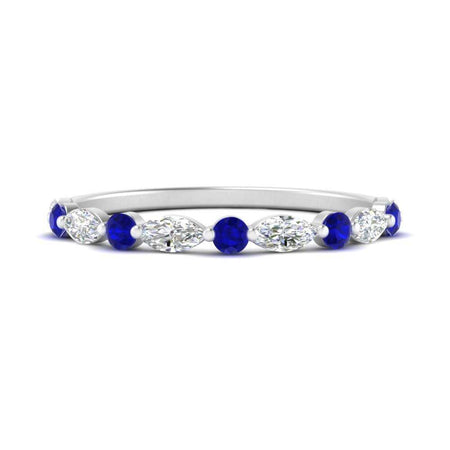
Shared Prong Marquise Stacking Ring
$1,242.00Shop Now -
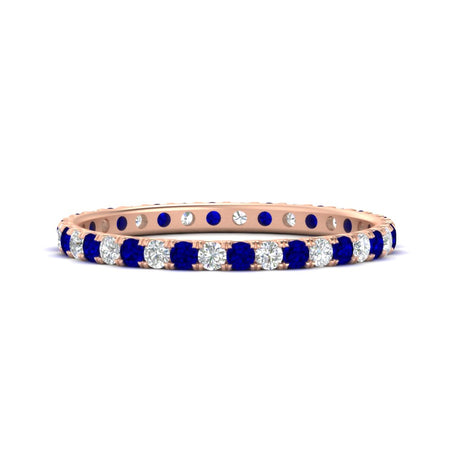
0.50 Ct. Round Diamond Eternity Anniversary Band
$999.35Shop Now
Sapphire Earrings
Studs earrings, halos earrings, and drop earrings highlight sapphire’s color beautifully and work for both daily wear and special occasions.
-
SAVE 18%
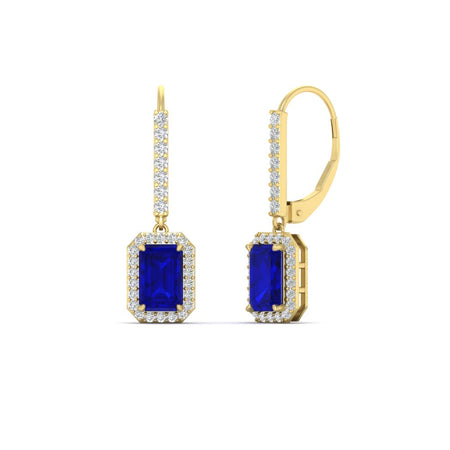
1 Carat Emerald Cut Drop Halo Leverback Earrings
$1,152.30$1,411.05Shop Now -
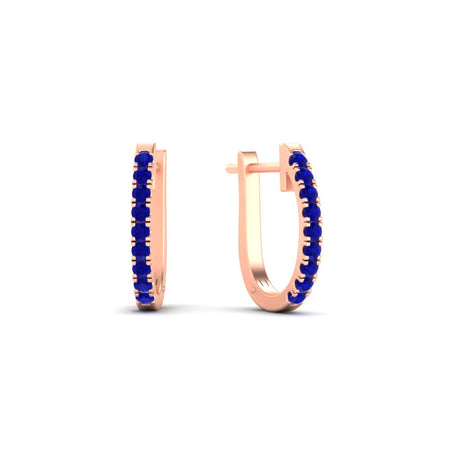
Dainty Huggie Hoops Earring
$1,155.75Shop Now -
SAVE 19%
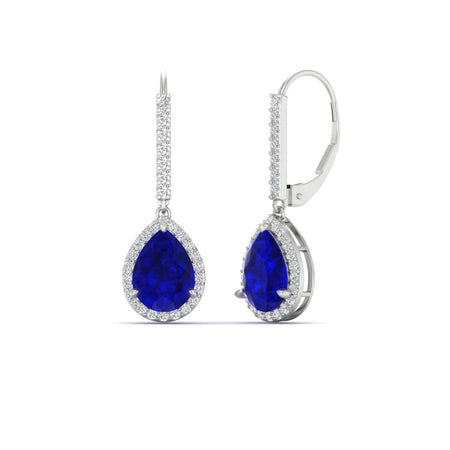
3 Carat Pear Shaped Halo Leverback Drop Earrings
$2,291.95$2,834.75Shop Now -
SAVE 20%
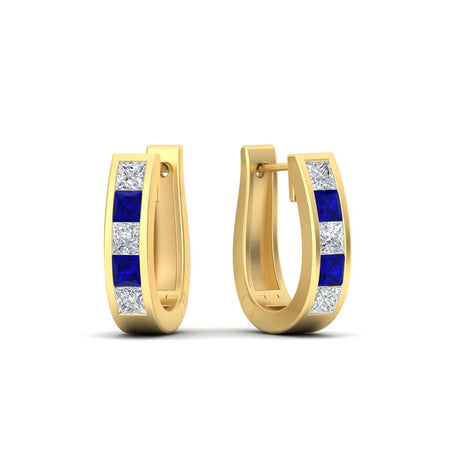
Channel Set Huggie Hoop Earring
$936.10$1,169.55Shop Now -
SAVE 19%
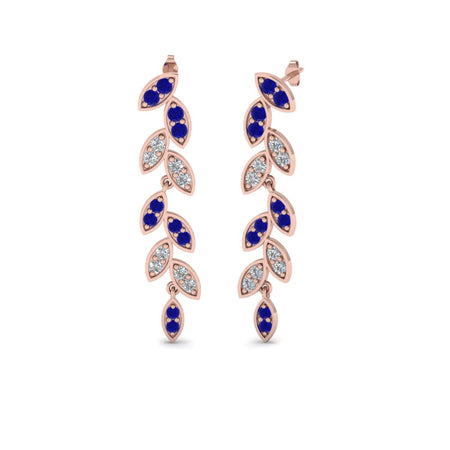
Pave Diamond Leaf Drop Earring
$1,210.95$1,493.85Shop Now -
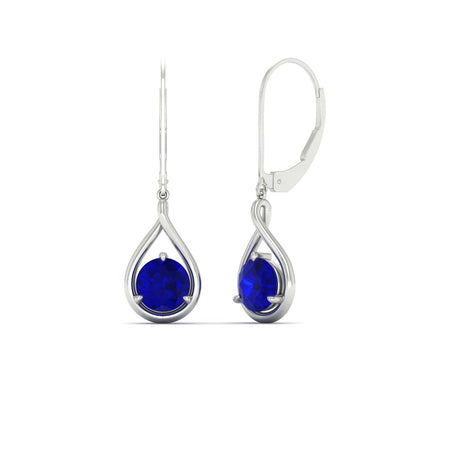
Solitaire Drop Earrings
$1,849.20Shop Now -
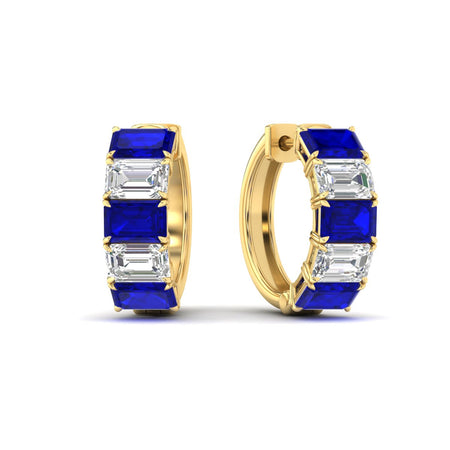
5 Carat Five Stone Emerald Cut Hoop Earrings
$3,916.90Shop Now -
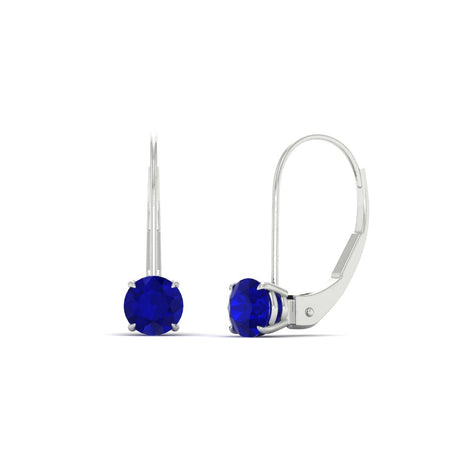
1 Carat Round Diamond Lever Back Earrings
$1,279.95Shop Now -
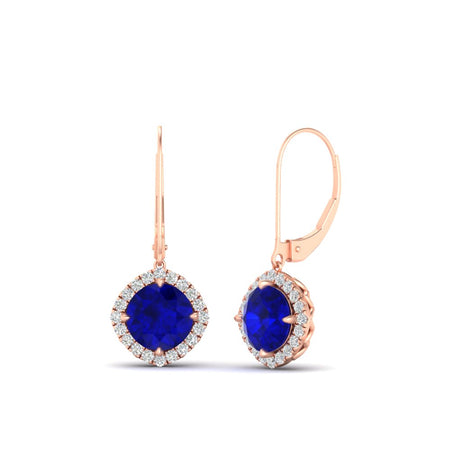
Leverback Square Halo Drop Earrings
$2,344.85Shop Now -
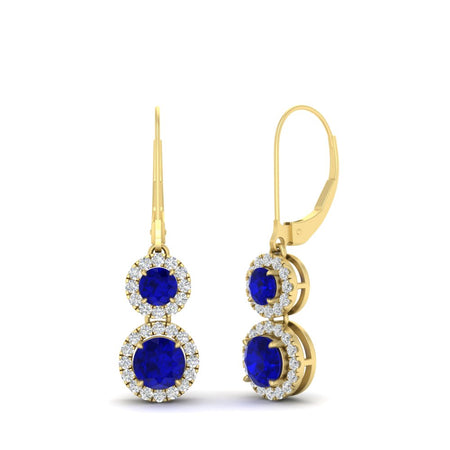
Round Double Drop Lever Back Halo Earrings
$1,784.80Shop Now
Sapphire Necklaces and Bracelets
Pendants and tennis bracelets showcase sapphire’s elegance and rich tone.
-
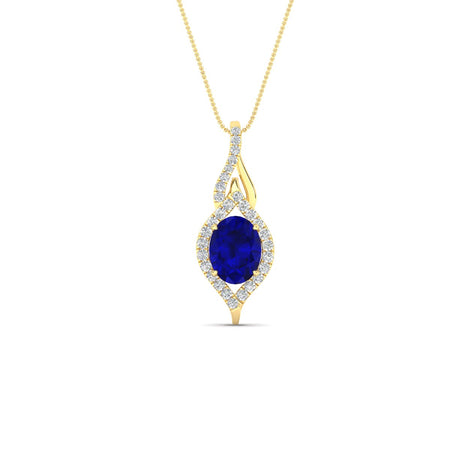
Oval Halo Pave Drop Necklace
$2,032.05Shop Now -
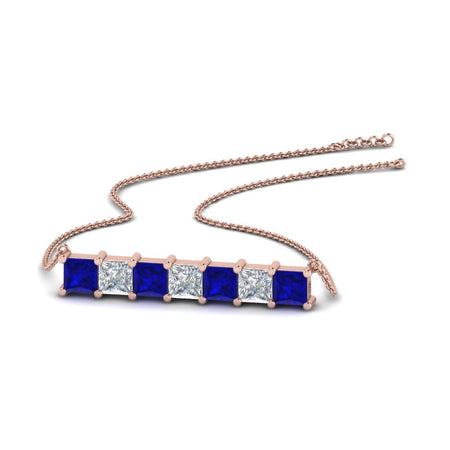
Princess Cut Horizontal Bar Pendant
$1,536.40Shop Now -
SAVE 20%
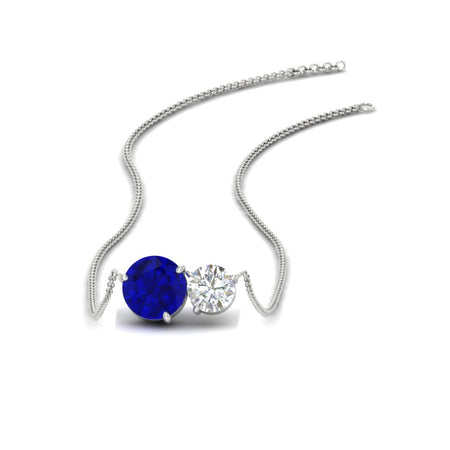
Two Stone Round Pendant
$685.40$856.75Shop Now -
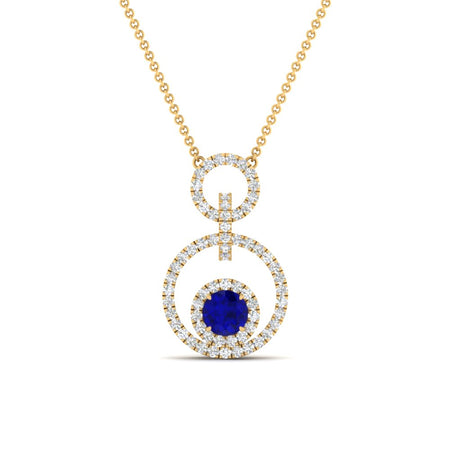
Multi Ring Interlocked Pendant
$1,488.10Shop Now -
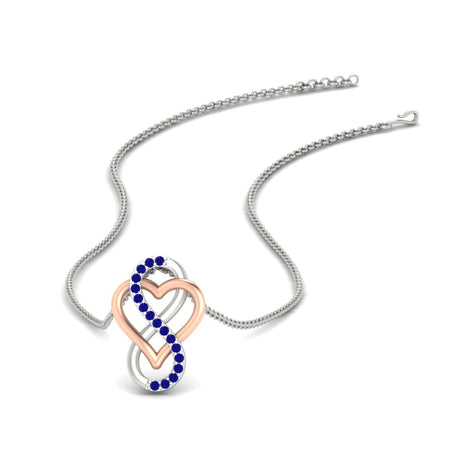
Heart Infinity Love Diamond Pendant
$1,028.10Shop Now -
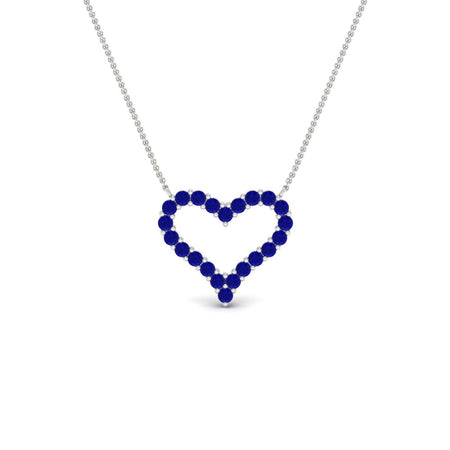
Open Heart Necklace Pendant
$1,140.80Shop Now -
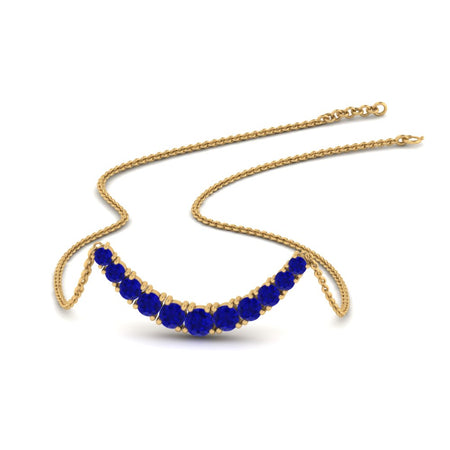
Graduated Smile Necklace
$1,595.05Shop Now -
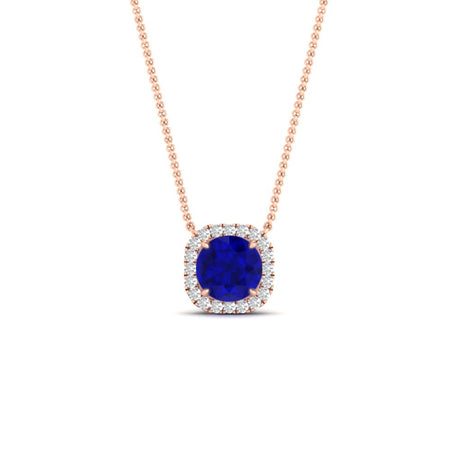
Charming Cushion Halo Round Pendant
$1,826.20Shop Now -
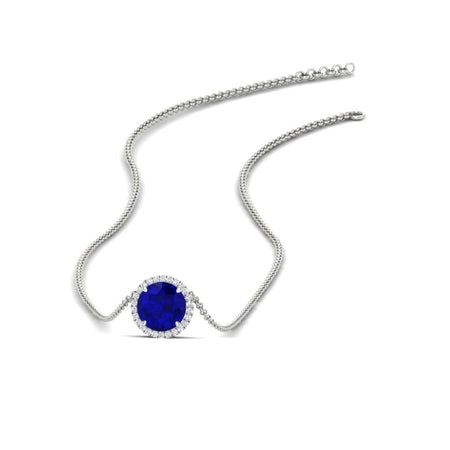
1.5 Carat Beautiful Halo Pendant Necklace
$1,915.90Shop Now -
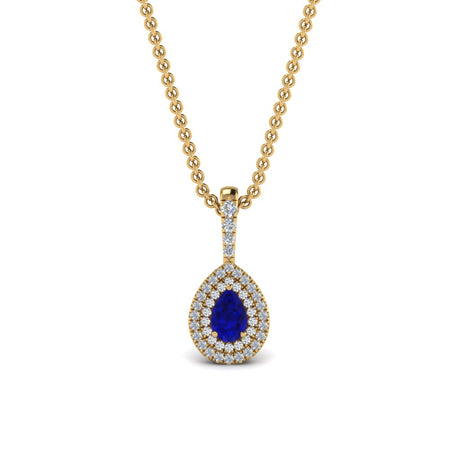
Pear Shaped Double Halo Pendant
$1,362.75Shop Now -
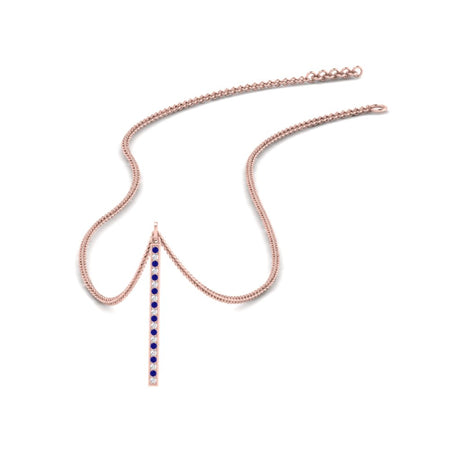
French Pave Straight Bar Necklace
$967.15Shop Now -
SAVE 20%
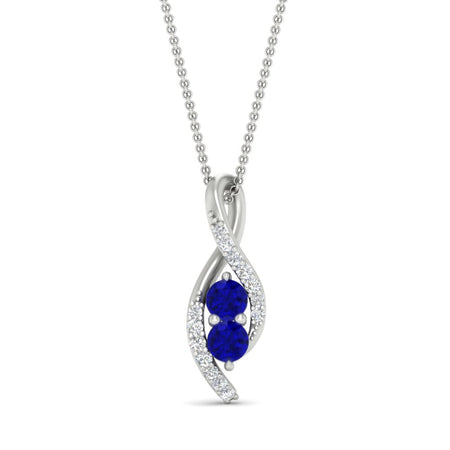
Forever Us Two Stone Infinity Pendant
$885.50$1,107.45Shop Now
-
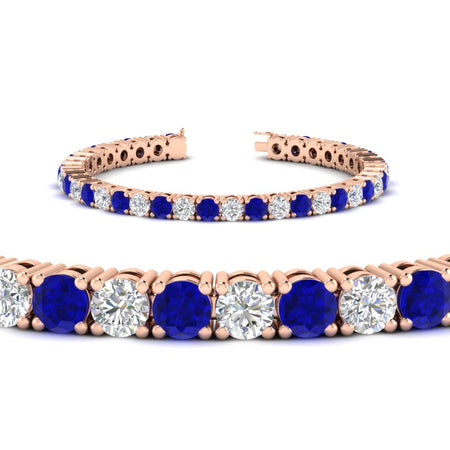
10 Ct. Diamond Tennis Bracelet
$9,001.05Shop Now -
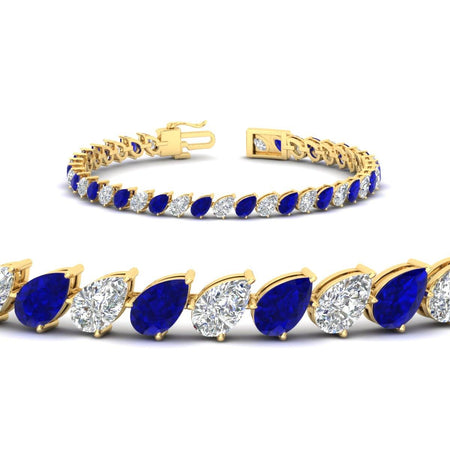
Leaning Pear Cut Diamond Tennis Bracelet
$7,877.50Shop Now -
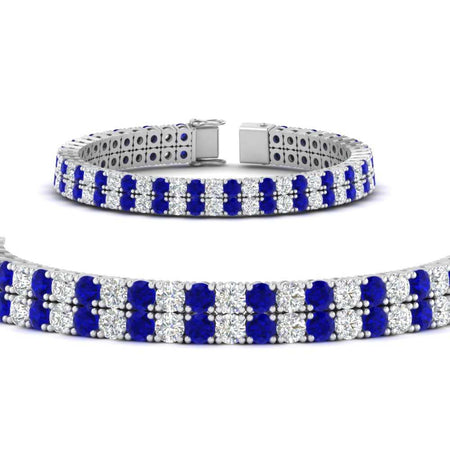
2 Row Round Tennis Bracelet
$10,761.70Shop Now -
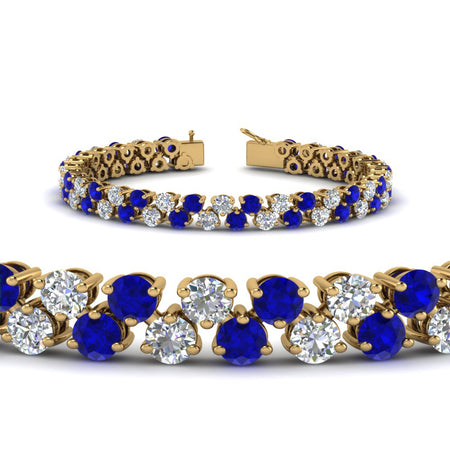
Stunning Two Row Tennis Bracelet
$5,371.65Shop Now -
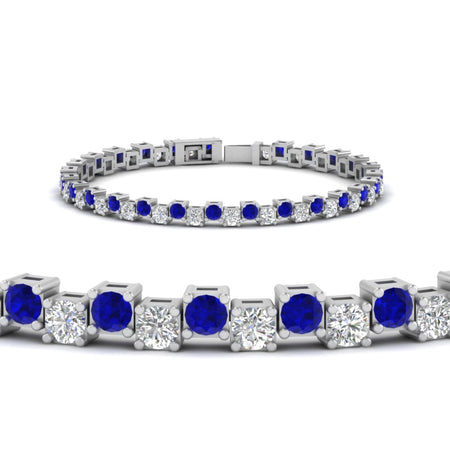
Zig Zag Tennis Bracelet
$6,644.70Shop Now -
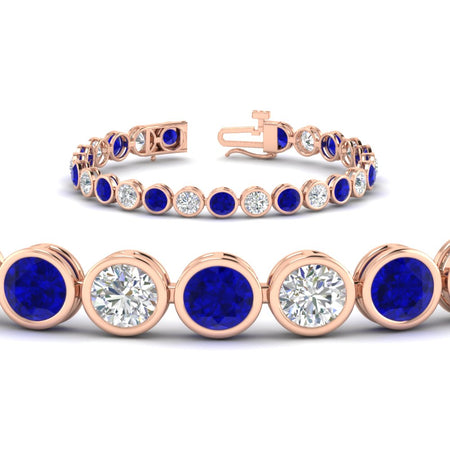
10 Carat Diamond Bezel Set Tennis Bracelet
$9,684.15Shop Now

Durability and Everyday Wear
Sapphire ranks 9 on the Mohs hardness scale, second only to diamond. This makes it one of the best gemstones for everyday jewelry.
It resists scratches, holds polish well, and maintains its color over time. With proper care, sapphire jewelry can last for generations.

How to Care for Sapphire Jewelry
Sapphire is easy to maintain.
Clean with warm water, mild soap, and a soft brush.
Avoid harsh chemicals and ultrasonic cleaners if the stone has fractures.
Store separately to prevent scratching other gemstones.
Regular professional checks help keep settings secure

Why Choose Sapphire?
Sapphire offers a balance of beauty, durability, and meaning. It suits both classic and modern designs and works well for everyday wear. With a wide range of colors and price points, sapphire allows buyers to choose something personal without sacrificing longevity.
Whether set in an engagement ring, earrings, or a statement necklace, sapphire remains one of the most trusted and admired gemstones in fine jewelry.
Conclusion
Sapphire gemstones combine beauty, durability, and history in a way few gemstones can. From royal blue classics to soft pastel and rare color-changing varieties, sapphire offers something for every style and purpose. Its strength makes it suitable for daily wear, while its symbolism of loyalty and wisdom adds deeper meaning to fine jewelry. Whether chosen for an engagement ring, a gift, or a personal collection, sapphire remains a timeless gemstone that holds value both emotionally and practically.
Real Customer Reviews
Frequently Asked Questions
What is a sapphire gemstone?
A sapphire gemstone is a precious stone from the corundum family. All corundum gemstones that are not red are classified as sapphires. This includes blue sapphires and fancy color sapphires such as pink, yellow, green, and white.
Is sapphire only blue in color?
No. While blue sapphire is the most well-known, sapphires come in many colors. These include pink, yellow, orange, purple, green, white, and color-changing varieties. All non-red corundum gemstones fall under sapphire.
What does sapphire symbolize?
Sapphire symbolizes wisdom, loyalty, truth, and protection. Historically, it has been associated with royalty, spirituality, and commitment, which is why it’s popular in engagement rings and meaningful jewelry.
Where are sapphires mined?
Sapphires are mined in several regions worldwide. Sri Lanka is known for bright, well-balanced sapphires. Kashmir sapphires are rare and prized for their velvety blue tone. Myanmar produces deeply saturated stones, while Madagascar offers a wide variety of colors and sizes. Australia is known for darker blue and greenish sapphires.
What is the most valuable type of sapphire?
Value depends on color, clarity, and rarity. Kashmir blue sapphires are among the most valuable. Padparadscha sapphires, with their pink-orange hue, are also extremely rare and highly prized. In general, rich color with good clarity commands the highest prices.
Are sapphires good for everyday wear?
Yes. Sapphire ranks 9 on the Mohs hardness scale, making it one of the hardest gemstones after diamond. This durability makes sapphire ideal for everyday jewelry like rings, earrings, and bracelets.
How do sapphires compare to diamonds in durability?
Diamonds rank 10 on the Mohs scale, while sapphires rank 9. This means sapphires are highly scratch-resistant and durable, though diamonds are slightly harder. For most daily wear purposes, sapphires perform exceptionally well.
What clarity should I look for in a sapphire?
Most natural sapphires contain inclusions. Eye-clean sapphires are preferred, but minor inclusions are normal and acceptable. Large or centrally visible inclusions can reduce beauty and value.
Are sapphires treated?
Yes. Most sapphires are heat treated to improve color and clarity. This is a stable and widely accepted treatment in the gemstone industry. Untreated sapphires are rarer and usually cost more. Any treatment should always be disclosed by the seller.
What is the difference between natural and lab-created sapphires?
Natural sapphires form in the earth over millions of years. Lab-created sapphires have the same chemical and physical properties but are grown in controlled environments. Lab sapphires are more affordable and often have excellent clarity and color.
Are lab-created sapphires real sapphires?
Yes. Lab-created sapphires are real sapphires with the same hardness, durability, and appearance as natural stones. The difference lies in origin, not quality or performance.
What is Padparadscha sapphire?
Padparadscha sapphire is a rare variety known for its delicate pink-orange color. It’s one of the most valuable sapphire types due to its rarity and unique hue.
What is a color-change sapphire?
A color-change sapphire shifts color depending on lighting. It may appear blue in daylight and purple or violet under indoor lighting. These sapphires are rare and valued for their visual effect.
What jewelry is sapphire best suited for?
Sapphire is used in engagement rings, earrings, necklaces, bracelets, and pendants. Its durability makes it especially suitable for rings and daily-wear pieces.
How do I care for sapphire jewelry?
Clean sapphire jewelry using warm water, mild soap, and a soft brush. Avoid harsh chemicals. If the sapphire has fractures or heavy inclusions, avoid ultrasonic cleaners. Store sapphire jewelry separately to prevent scratching other gemstones.
Does sapphire fade or lose color over time?
No. Sapphire is color-stable and does not fade with normal wear or light exposure. Proper care helps maintain its polish and brilliance for generations.
Is sapphire a good alternative to diamond for engagement rings?
Yes. Sapphire engagement rings are popular for their durability, symbolism, and distinctive color. They offer a unique look while remaining practical for everyday wear.