


- What Is an Emerald Gemstone?
- History of Emeralds and Where They Originated
- Why Emeralds Are So Valuable
- Physical Properties of Emerald
- Understanding Emerald Inclusions
- How Emeralds Are Cut
- Emerald Color Grading
- Emerald Treatments Explained
- Natural vs Lab Grown Emeralds
- Emerald Engagement Rings
- Emerald Wedding Bands
- Emerald in Fine Jewelry
- Caring for Emerald Jewelry
- Who Should Choose an Emerald?

What Is an Emerald Gemstone?
Emerald is a green variety of the mineral beryl, colored by trace amounts of chromium and sometimes vanadium. Its rich green tone has made it one of the most recognizable and valuable gemstones in history. Emerald belongs to the same family as aquamarine and morganite, but its color sets it apart. Natural emeralds almost always contain inclusions, which are accepted as part of the stone’s identity rather than flaws.

History of Emeralds and Where They Originated
Emeralds have been prized for over 4,000 years. The earliest known emerald mines were in Egypt, famously associated with Cleopatra, who used emeralds as symbols of power and status. From Egypt, emerald trade spread to Rome, Greece, and Asia.
In the 16th century, Spanish explorers discovered emerald deposits in Colombia. These stones quickly became the most valuable emeralds in the world due to their deep green color and clarity compared to other sources. Colombian emeralds remain the global benchmark today.

Why Emeralds Are So Valuable
Emeralds are rare, especially in fine quality. The combination of vivid green color, transparency, and size is difficult to find in a single stone. Unlike diamonds, emeralds are not judged harshly for inclusions. Instead, color intensity and overall beauty matter most.
Factors that drive emerald value include:
- Strong, evenly distributed green color
- Natural origin with minimal treatments
- Colombian or Zambian provenance
- Larger carat weight with good transparency
High-quality emeralds can cost more per carat than diamonds.

Physical Properties of Emerald
- Mineral: Beryl
- Hardness: 7.5–8 on the Mohs scale
- Color: Green only
- Crystal System: Hexagonal
Emerald is durable enough for jewelry but requires more care than sapphire or diamond because inclusions can weaken the stone internally.

Understanding Emerald Inclusions
Emerald inclusions are commonly called jardin, a French word meaning garden. These natural features form during crystal growth and help gemologists identify natural emeralds.
Inclusions are expected and accepted. A completely flawless emerald is extremely rare and often raises suspicion of being synthetic.

How Emeralds Are Cut
Emeralds are typically cut in a rectangular or square step cut known as the emerald cut. This shape reduces pressure on the stone and protects it from chipping.
Other popular cuts include:
- Oval emeralds
- Cushion emeralds
- Pear-shaped emeralds
Brilliant cuts are less common because they increase stress on the stone.

Emerald Color Grading
Color is the most important quality factor for emeralds.
- Hue: Pure green to bluish green is ideal
- Tone: Medium to medium-dark
- Saturation: Strong and vivid
Pale or overly dark emeralds are less valuable, even if clarity is higher.

Emerald Treatments Explained
Most natural emeralds are treated with oil or resin to improve clarity. This is an accepted industry practice.
Common treatments:
- Oil filling: Traditional and widely accepted
- Resin filling: More stable but should be disclosed
Untreated emeralds are rare and command significantly higher prices.

Natural vs Lab Grown Emeralds
Lab grown emeralds share the same chemical and physical properties as natural stones. The main differences are origin and price.
Natural emeralds:
- Formed in the earth
- Higher price
- Natural inclusions
Lab grown emeralds:
- Created in controlled environments
- More affordable
- Cleaner appearance
Both options are valid depending on budget and preference.
Emerald Engagement Rings
Engagement rings appeal to buyers who want color, individuality, and symbolism. Emerald represents love, renewal, and growth. Because emeralds are softer than diamonds, protective settings like halos, bezels, or thicker prongs are recommended.
-
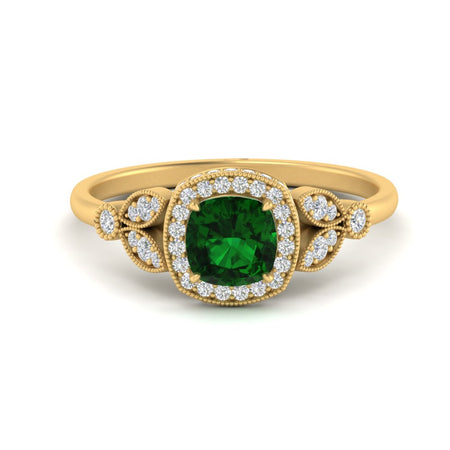
Leaf Cushion Cut Gemstone Vintage Engagement Ring
$2,061.95Shop Now -
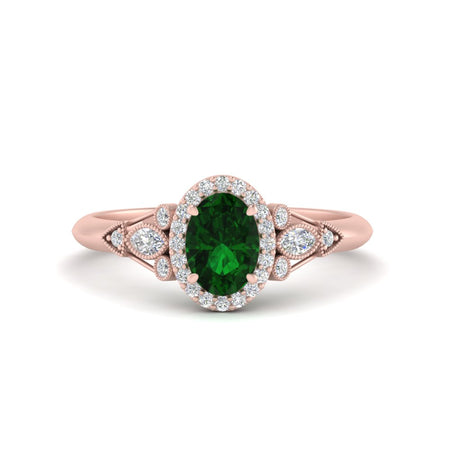
Oval Halo Gemstone Milgrain Engagement Ring
$2,205.70Shop Now -
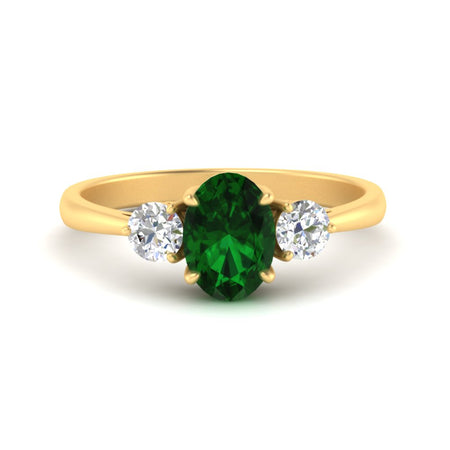
Gemstone Classic 3 Stone Ring
$2,320.70Shop Now -
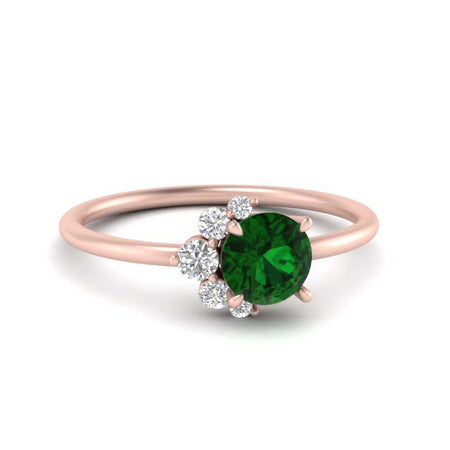
Antique Round Gemstone Rings
$1,150.00Shop Now -
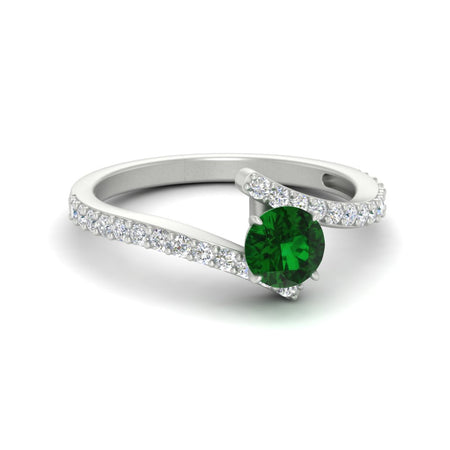
Beautiful Crossover Gemstone Ring
$1,390.35Shop Now -
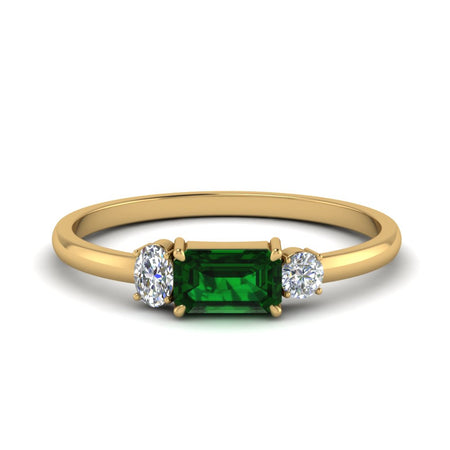
Alternate Gemstone 3 Stone Ring
$1,299.50Shop Now -
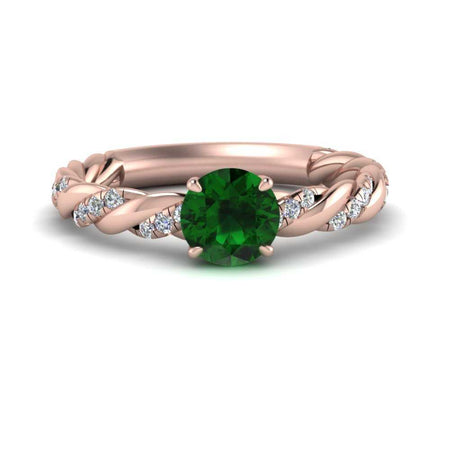
Round Rope Gemstone Engagement Ring
$1,784.80Shop Now -
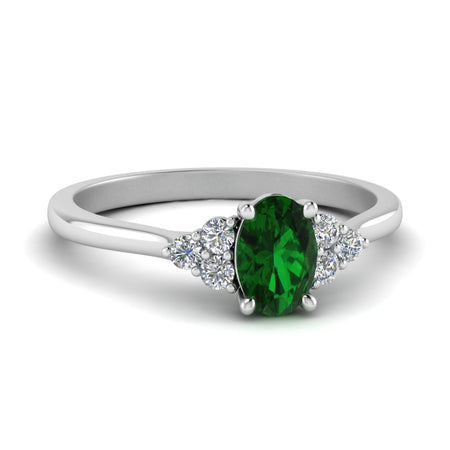
Oval Petite Cathedral Gemstone Ring
$2,065.40Shop Now -
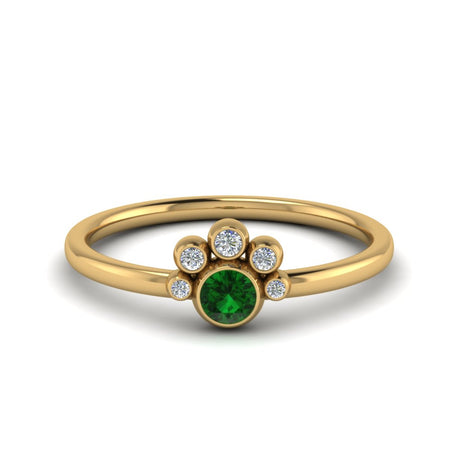
Unusual Bezel Set Paw Print Stacking Ring For Women
$807.30Shop Now -
SAVE 64%
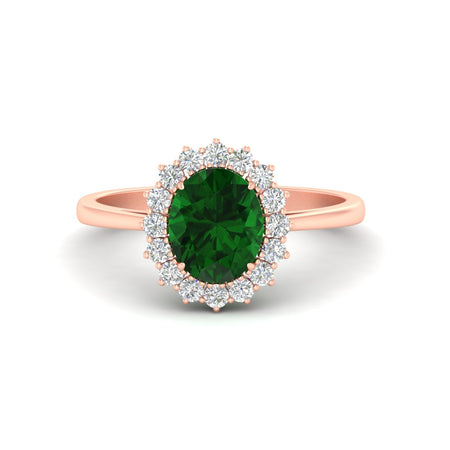
Oval Gemstone Halo Diamond Engagement Ring
$2,365.55$6,551.55Shop Now -
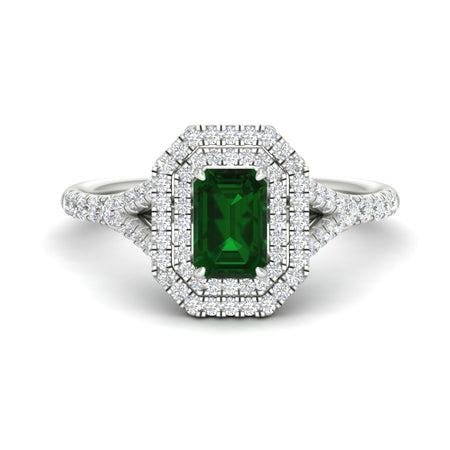
Split Shank Emerald Cut Gemstone Engagement Ring
$2,096.45Shop Now
Emerald Wedding Bands
Emerald wedding bands exude sophistication and timeless beauty, symbolizing growth, harmony, and enduring love. Their rich green gemstones add a unique, luxurious touch to any wedding set.
-
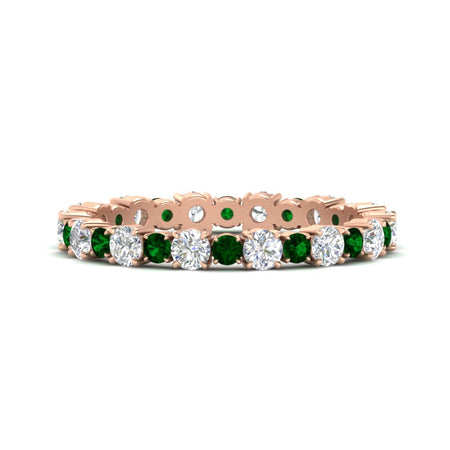
0.75 Carat Round Diamond Alternating Size Eternity Ring
$1,365.05Shop Now -
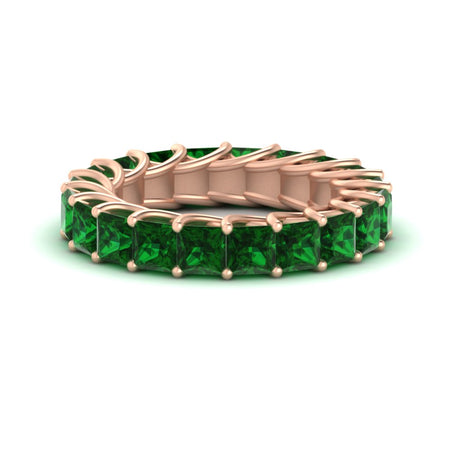
4 Carat Princess Cut Anniversary Diamond Eternity Band For Her
$3,760.50Shop Now -
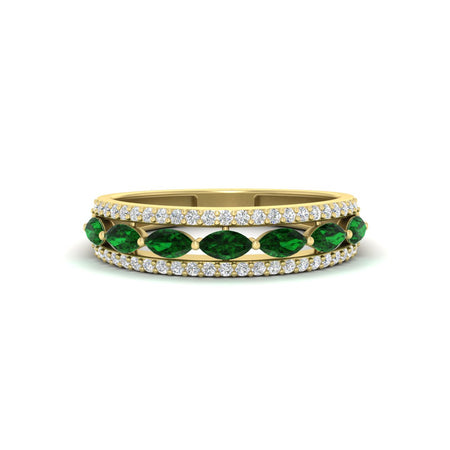
3 Row Cute Stackable Band
$1,496.15Shop Now -
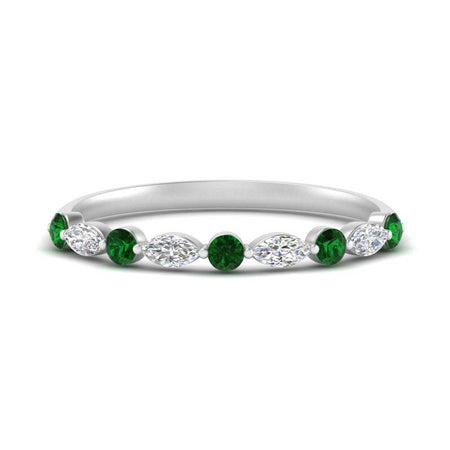
Common Prong Thin Wedding Band
$1,047.65Shop Now -
SAVE 34%
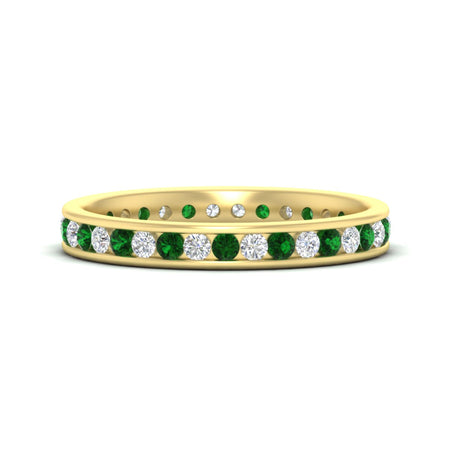
3/4 Carat Round Diamond Channel Set Eternity Band
$979.80$1,489.25Shop Now -
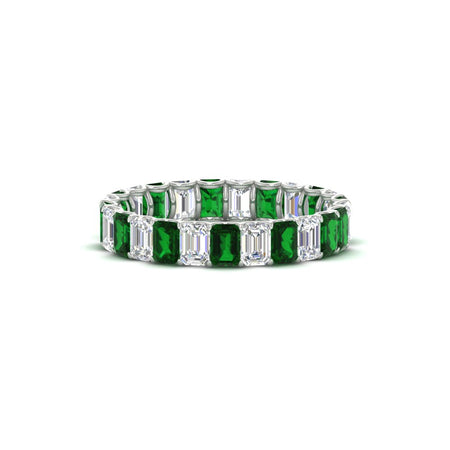
3 Carat Emerald Cut Diamond Eternity Anniversary Band
$2,341.40Shop Now -
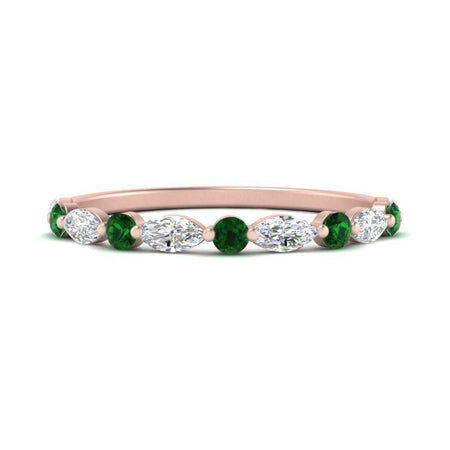
Shared Prong Marquise Stacking Ring
$1,958.45Shop Now -
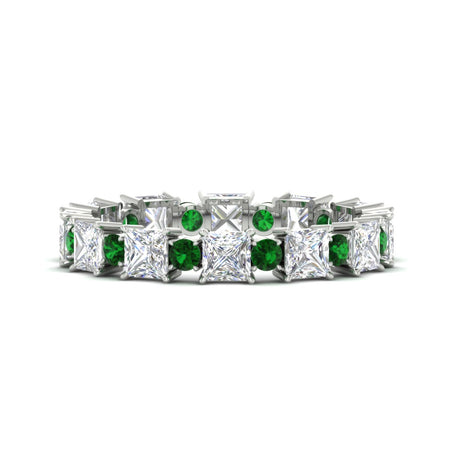
2.50 Carat Art Deco Diamond Eternity Band
$2,067.70Shop Now -
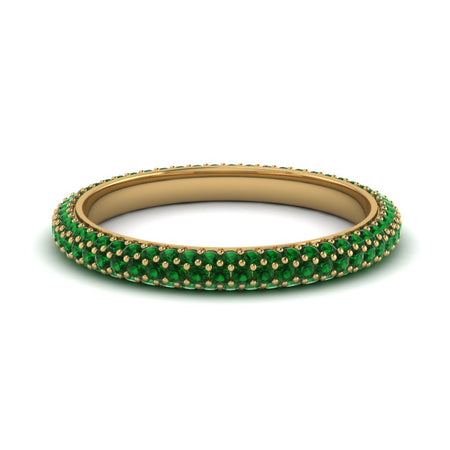
1 Ct. Round Diamond Cluster Micro Pave Wedding Band
$1,365.05Shop Now -
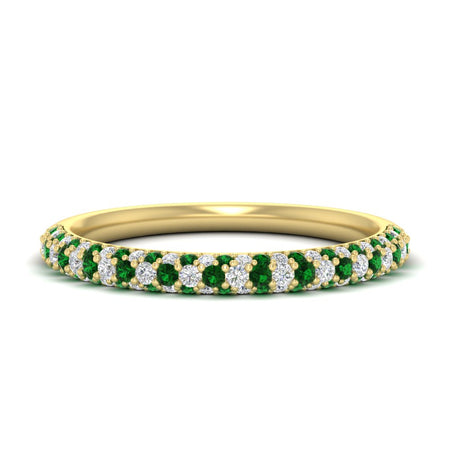
Cloud Pave Dome Wedding Band
$1,345.50Shop Now
Emerald in Fine Jewelry
Emeralds are commonly used in bracelets, earrings, pendants and necklaces, where their vivid green hue adds elegance and sophistication. They pair well with yellow gold, white gold, and platinum, and halo settings are especially popular as they help protect the emerald while enhancing contrast and overall brilliance.
-
SAVE 18%
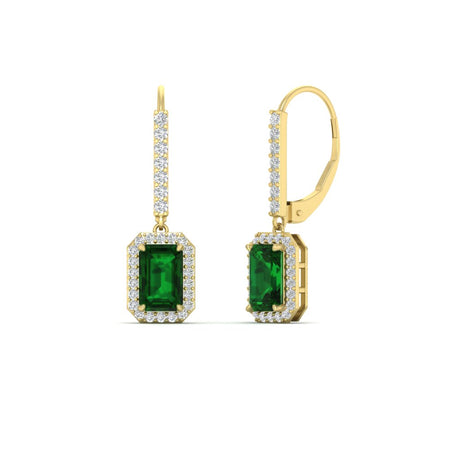
1 Carat Emerald Cut Drop Halo Leverback Earrings
$1,121.25$1,373.10Shop Now -
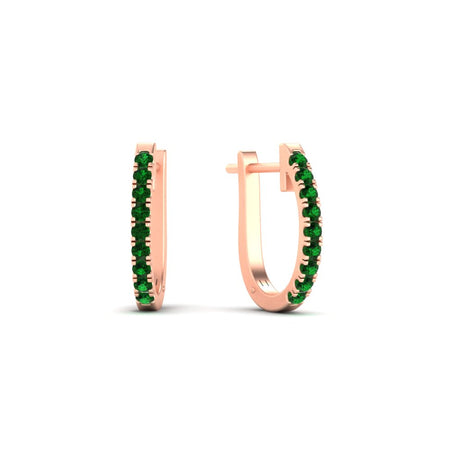
Dainty Huggie Hoops Earring
$1,124.70Shop Now -
SAVE 19%
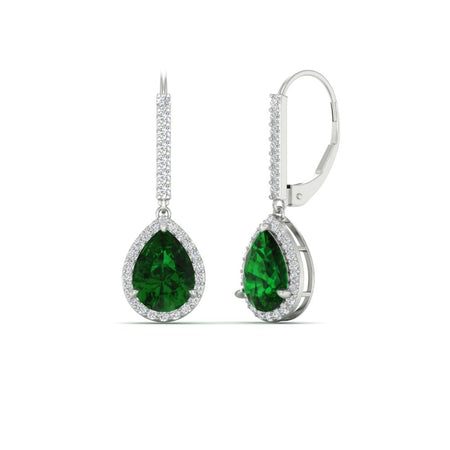
3 Carat Pear Shaped Halo Leverback Drop Earrings
$2,171.20$2,685.25Shop Now -
SAVE 19%
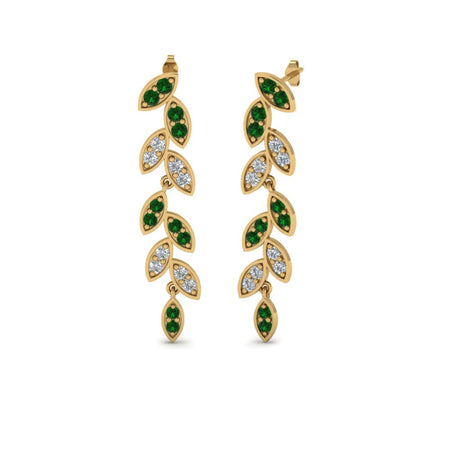
Pave Diamond Leaf Drop Earring
$1,199.45$1,480.05Shop Now -
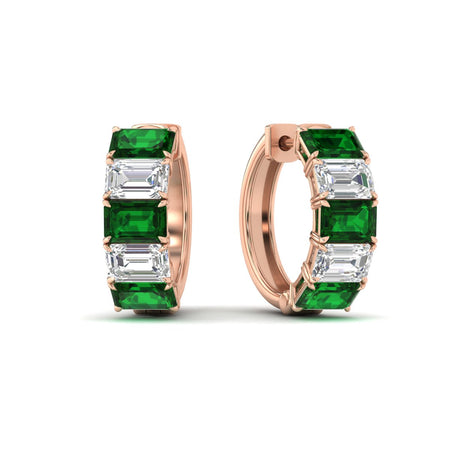
5 Carat Five Stone Emerald Cut Hoop Earrings
$3,759.35Shop Now -
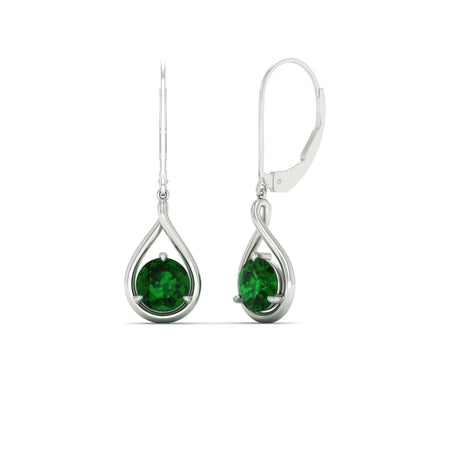
Solitaire Drop Earrings
$1,762.95Shop Now -
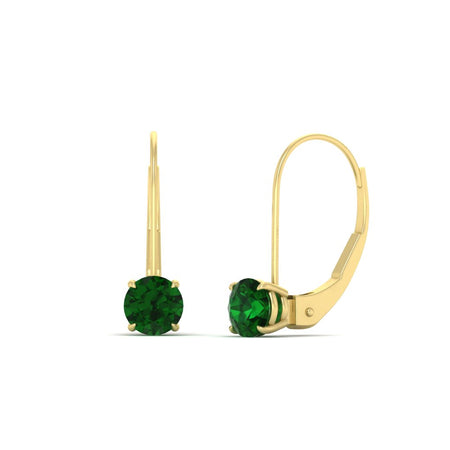
1 Carat Round Diamond Lever Back Earrings
$1,222.45Shop Now -
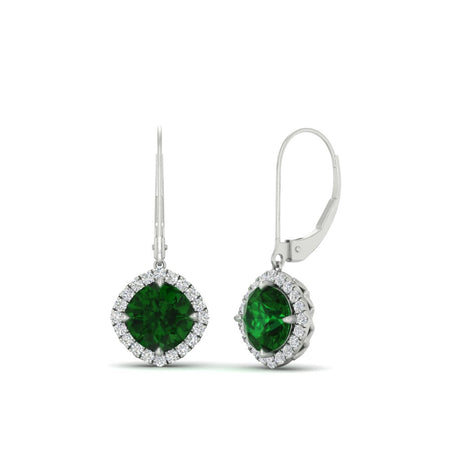
Leverback Square Halo Drop Earrings
$2,229.85Shop Now -
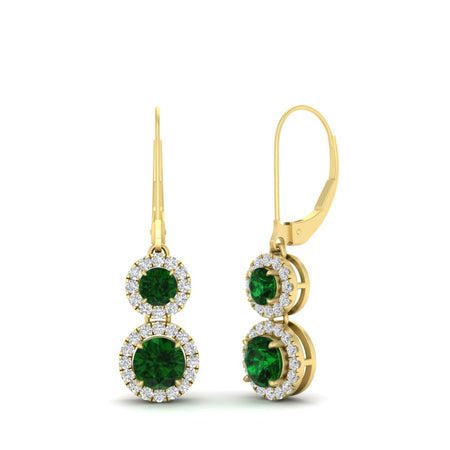
Round Double Drop Lever Back Halo Earrings
$1,730.75Shop Now -
SAVE 20%
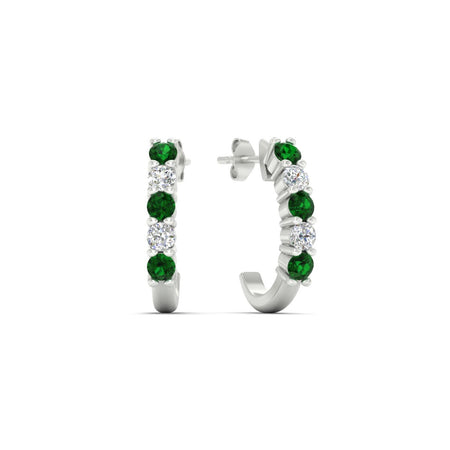
Half Huggie Hoop Earring
$1,108.60$1,385.75Shop Now
-
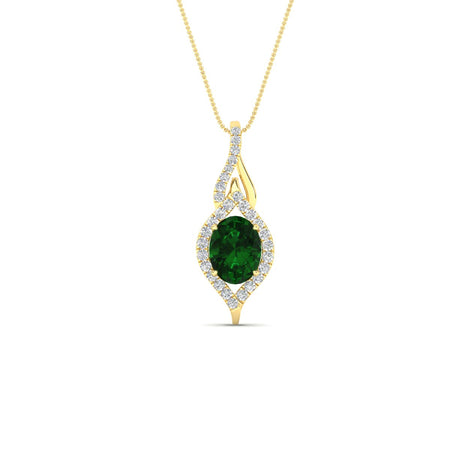
Oval Halo Pave Drop Necklace
$1,960.75Shop Now -
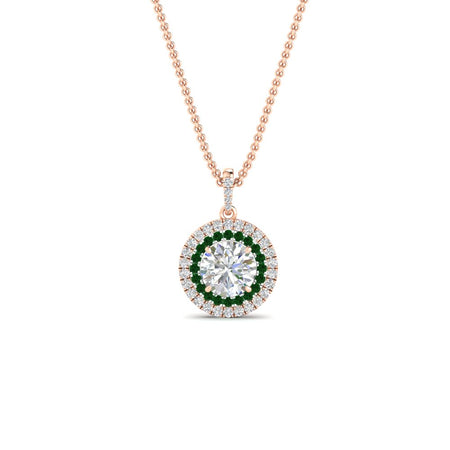
Women Double Halo Pendant Necklace
$1,581.25Shop Now -
SAVE 20%
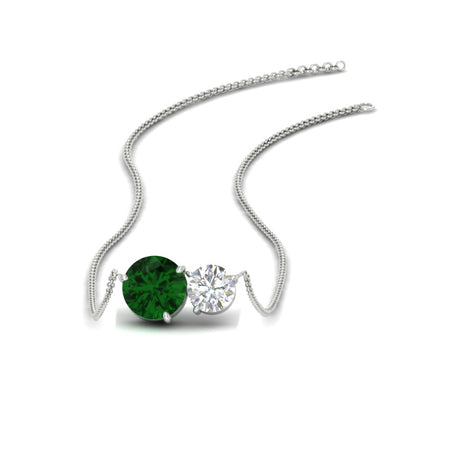
Two Stone Round Pendant
$675.05$844.10Shop Now -
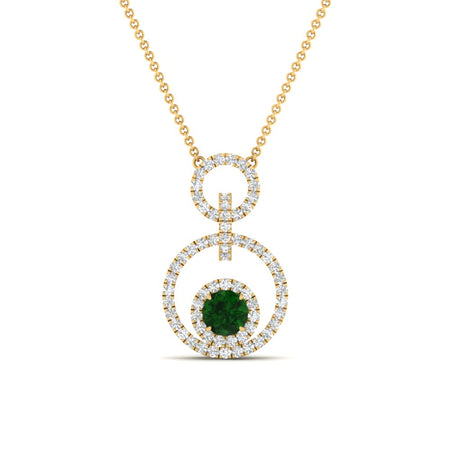
Multi Ring Interlocked Pendant
$1,474.30Shop Now -
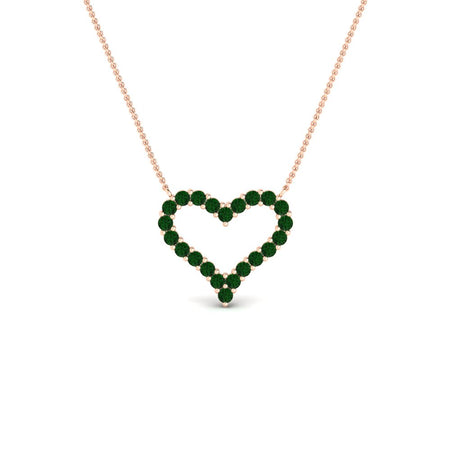
Open Heart Necklace Pendant
$1,102.85Shop Now -
SAVE 20%
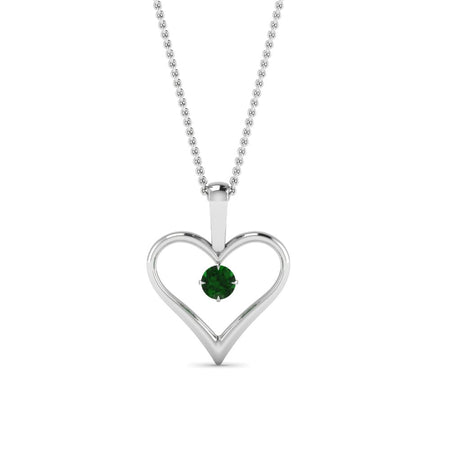
Solitaire Heart Pendant
$717.60$897.00Shop Now -
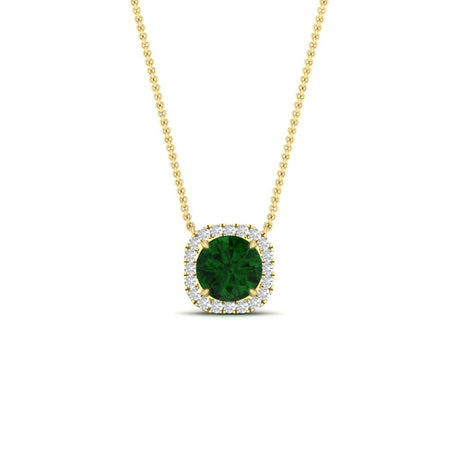
Charming Cushion Halo Round Pendant
$1,768.70Shop Now -
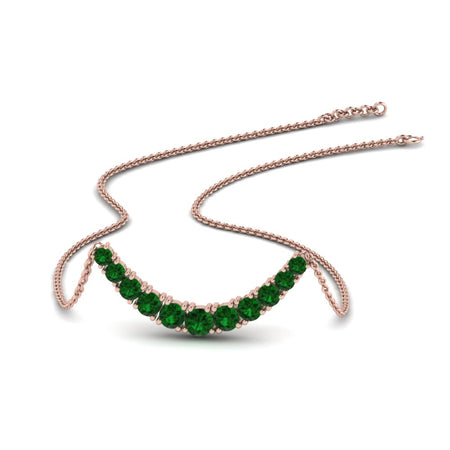
Graduated Smile Necklace
$1,539.85Shop Now -
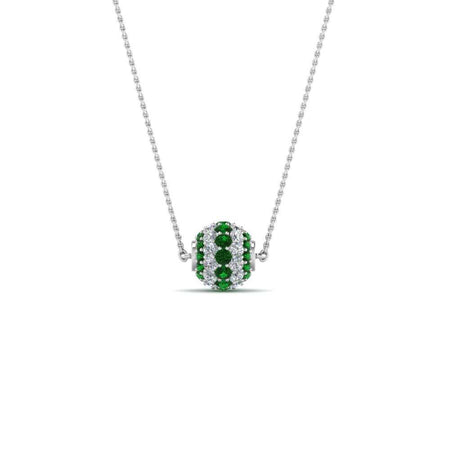
0.70 Carat Gold Diamond Ball Pendant For Women
$1,343.20Shop Now -
SAVE 20%
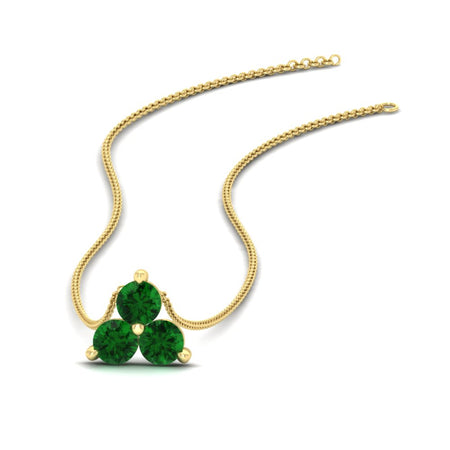
1 CTW Round Diamond Trio Pendant Necklace
$1,043.05$1,304.10Shop Now -
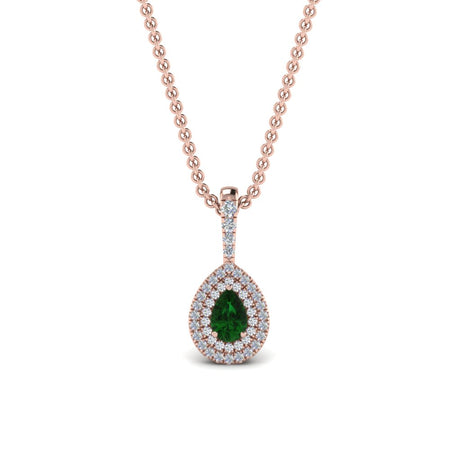
Pear Shaped Double Halo Pendant
$1,334.00Shop Now -
SAVE 20%
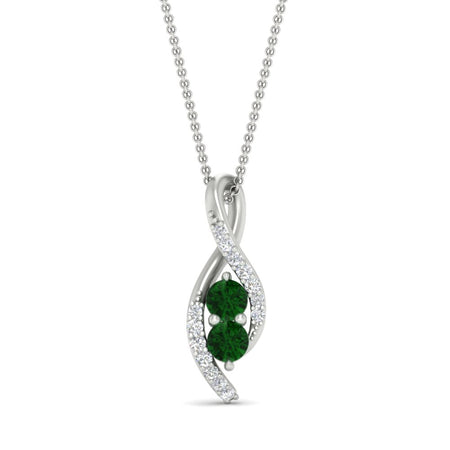
Forever Us Two Stone Infinity Pendant
$870.55$1,089.05Shop Now
-
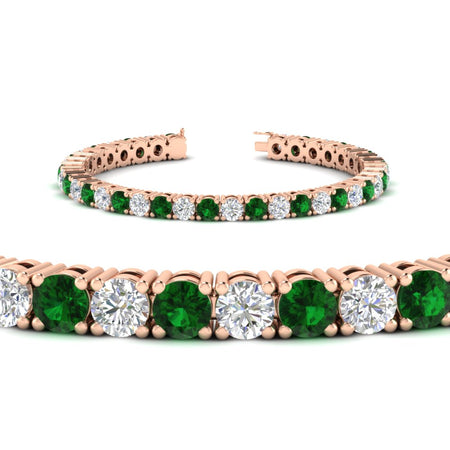
10 Ct. Diamond Tennis Bracelet
$8,717.00Shop Now -
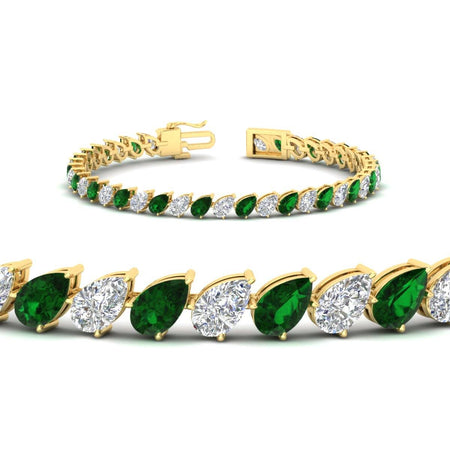
Leaning Pear Cut Diamond Tennis Bracelet
$7,670.50Shop Now -
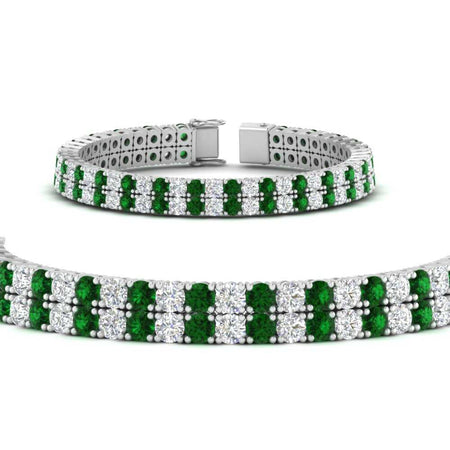
2 Row Round Tennis Bracelet
$10,646.70Shop Now -
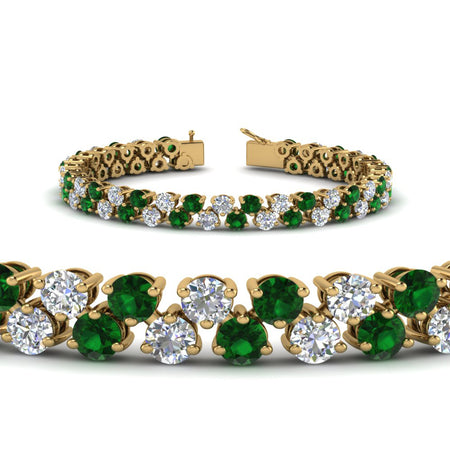
Stunning Two Row Tennis Bracelet
$5,218.70Shop Now -
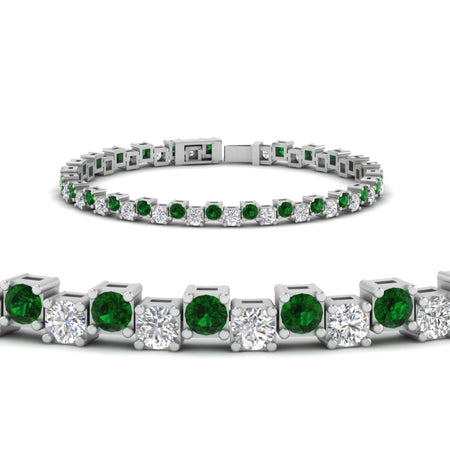
Zig Zag Tennis Bracelet
$6,495.20Shop Now -
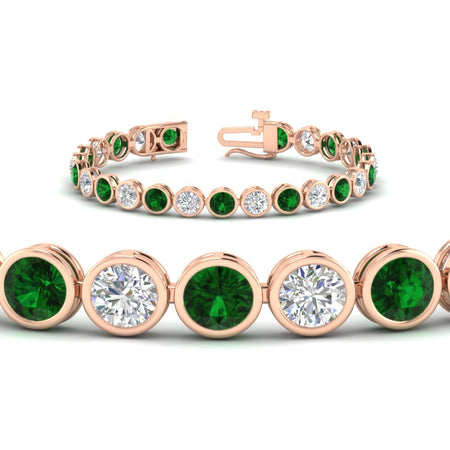
10 Carat Diamond Bezel Set Tennis Bracelet
$9,385.15Shop Now

Caring for Emerald Jewelry
Emeralds need gentle care.
- Clean with mild soap and lukewarm water
- Avoid ultrasonic and steam cleaners
- Remove emerald jewelry during heavy activity
- Store separately to avoid scratches
Regular inspection helps prevent damage to included stones.

Who Should Choose an Emerald?
Emerald is ideal for buyers who:
- Prefer rich color over sparkle
- Appreciate natural character and inclusions
- Want a gemstone with historical significance
- Are comfortable with mindful care
Emeralds suit statement jewelry and meaningful pieces rather than rough daily wear.
Real Customer Reviews
Frequently Asked Questions
Q1. Are emeralds more expensive than diamonds?
High-quality emeralds can cost more per carat than diamonds, especially stones with strong green color and good transparency. Lower-quality emeralds are usually more affordable.
Q2. Do emeralds crack easily?
Emeralds are durable but not as tough as diamonds or sapphires. Natural inclusions can make them more sensitive to impact, so protective settings and careful wear matter.
Q3. Are emerald inclusions bad?
No. Inclusions are expected in natural emeralds and are often called jardin. They confirm natural origin and are part of the gemstone’s character.
Q4. Is oil treatment in emeralds acceptable?
Yes. Oiling is a standard and widely accepted treatment to improve clarity. The treatment should always be disclosed at purchase.
Q5. Which emerald origin is the best?
Colombian emeralds are considered the finest due to their rich green color. Zambian emeralds are also highly valued for their clarity and slightly cooler tone.
Q6. Can emeralds be worn every day?
They can be worn daily with care. Emeralds are best suited for people who avoid rough use and choose secure settings like halos or bezels.
Q7. Are lab grown emeralds real emeralds?
Yes. Lab grown emeralds have the same chemical and physical properties as natural emeralds. The difference lies in origin and price.
Q8. Which metal looks best with emeralds?
Yellow gold enhances warmth and contrast. White gold and platinum give a clean, modern look. The choice depends on personal style.
Q9. How should emerald jewelry be cleaned?
Use mild soap, warm water, and a soft cloth. Avoid ultrasonic cleaners, steam, and harsh chemicals.
Q10. What does an emerald symbolize?
Emerald is associated with love, renewal, growth, and wisdom. It has long been linked to harmony and emotional balance.