


Introduction: What Does Diamond Carat Really Mean?
When shopping for a diamond ring or jewelry, you’ll often hear the term “carat”. Many buyers assume carat refers to the size of a diamond, but that’s only half the story. In reality, carat measures the weight of a diamond — and while weight affects size, it also influences price, appearance, and value.
In this guide, we’ll break down everything you need to know about diamond carat: how it’s measured, how it impacts pricing, and how to choose the perfect carat size for your style and budget.

What is a Diamond Carat?
Carat (ct) is the standard unit of measurement for a diamond’s weight.
- 1 carat = 200 milligrams (0.2 grams).
- Diamonds can be as small as 0.10 carats (tiny accent stones) or as large as 5 carats+ (rare collector’s diamonds).
Quick Tip for Shoppers: Carat = weight, not size. Two diamonds with the same carat weight can look different in size depending on their cut and shape.

Carat vs. Size: Why Two 1-Carat Diamonds Can Look Different
- Diamond Cut: A shallow cut diamond may look wider, while a deep cut looks smaller but carries more weight. Explore our detailed Diamond Cut Guide for expert insights and tips.
- Diamond Shape: Shapes like oval, pear, and marquise appear larger than round diamonds of the same carat.Discover how each shape affects size, sparkle, and style in our Diamond Shape Guide.
- Setting Style: A halo or bezel setting can make a smaller diamond appear bigger on the finger.
💡 “Do 1-carat diamonds always look the same size?”
Answer: No, cut and shape can make a big difference in how large a diamond appears.

How Carat Affects Price
Diamond pricing is not linear. A 2-carat diamond doesn’t just cost twice as much as a 1-carat — it can cost 3–4x more because larger stones are rarer.
- 0.50 carat: Affordable entry-level choice, especially for delicate rings.
- 1 carat: The most popular size for engagement rings (classic benchmark).
- 1.5–2 carats: Luxury feel, more brilliance and presence.
- 2+ carats: Rare, high-value statement stones.
Pro Tip Buying just below a carat milestone (e.g., 0.90 ct instead of 1.0 ct) can save you 10–20% with no visible size difference.

Choosing the Right Carat for You
- Budget – Balance between carat, cut, clarity, and color.
- Finger Size – A 1-carat diamond looks larger on a petite hand.
- Style Preference – Do you want subtle elegance or bold brilliance?
- Setting Choice – A halo or cluster setting can make a smaller carat look bigger.
💡 “What’s the best carat for an engagement ring?”
Answer: Most buyers choose around 1 carat, but the right size depends on your budget, hand size, and personal style.
Engagement Ring Carat Weights
-

Marquise Cut Lab Diamond Hidden Halo 1 Carat Diamond Ring
$2,106.80Shop Now -

East West Cushion 2 Tone 1 CT Diamond Ring
$1,753.75Shop Now -

Asscher Cut Lab Grown Twisted Vine 1 Carat Diamond Ring
$1,972.25Shop Now -

Cushion Cut Halo Eternity One Carat Diamond Engagement Ring
$2,098.75Shop Now -

Lab Grown Round Cut Curved Vine 1.00 Carat Diamond Ring
$2,224.10Shop Now -

Pear Accented Cluster 1 Carat Diamond Ring
$1,697.40Shop Now -

Marquise Cut Twisted Shank One Carat Diamond Engagement Ring
$1,805.50Shop Now -

Marquise Cut Twisted Shank 1.00 Carat Diamond Ring
$1,736.50Shop Now


-

Emerald Cut Vine Hidden Halo 2 Carat Diamond Ring
$2,512.75Shop Now -

East West Oval Solitaire Two Carat Diamond Ring
$2,035.50Shop Now -

Emerald Cut 2CT Diamond Wedding Ring
$3,427.00Shop Now -

Oval Floral Vintage Lab 2 Carat Diamond Ring
$2,651.90Shop Now -

Petite Swirl Round Two Carat Diamond Ring
$23,908.50Shop Now -

Asscher Cut Pavé Halo 2CT Diamond Wedding Ring
$2,523.10Shop Now -

East West Oval Bezel 2 Carat Diamond Ring
$3,098.10Shop Now -

Delicate Vine Two Carat Diamond Ring
$2,530.00Shop Now


-

Lab Grown Round Cut Curved Vine 3 Carat Diamond Ring
$3,270.60Shop Now -

Halo Swirl Lab-Grown Round Three Carat Diamond Ring
$3,175.15Shop Now -

Asscher Cut Lab Grown 3.00 CT Diamond Ring
$2,900.30Shop Now -

Oval Half Bezel Three Carat Diamond Ring
$2,635.80Shop Now -

Marquise Cut Curved Pavé Lab 3.00 CT Diamond Ring
$3,584.55Shop Now -

Bypass Round Cut Solitaire 3.00 CT Diamond Ring
$2,654.20Shop Now -

Bypass Round Cut Solitaire Diamond Engagement Ring
$2,595.55Shop Now


-

Lab Grown Oval Hidden Halo 4 Carat Diamond Ring
$3,284.40Shop Now -

Bypass Twist Marquise Cut Solitaire Four Carat Diamond Ring
$3,924.95Shop Now -

Curved Vine Scalloped Lab Round 4.0 Carat Diamond Ring
$3,859.40Shop Now -

Asscher Cut Celtic Two Tone Lab Grown 4 Carat Diamond Ring
$3,492.55Shop Now -

Hidden Halo Micropave Four Carat Diamond Ring
$3,596.05Shop Now -

Pear Accented 3 Row Asscher Cut 4.0 Carat Diamond Ring
$3,566.15Shop Now -

Asscher Cut Thin Baguette 4 Carat Diamond Ring
$3,851.35Shop Now -

Asscher Cut Lab Diamond Trapezoid Side Four Carat Diamond Ring
$5,288.85Shop Now


-
Lab Grown Round Cut Curved Vine 5 Carat Diamond Ring
$4,317.10Shop Now -

Oval Offbeat Modern Five Carat Diamond Ring
$3,569.60Shop Now -
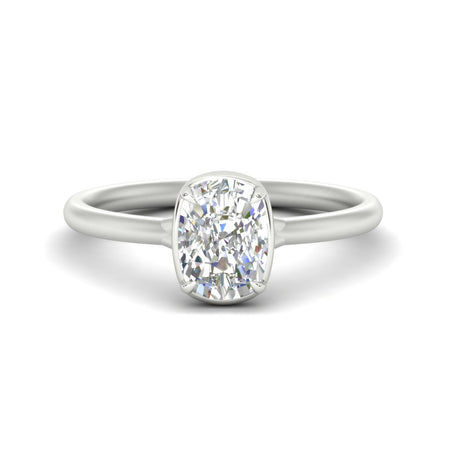
Cushion Cut Flush Collet Solitaire 5 CT Diamond Engagement Ring
$3,642.05Shop Now -

Twisted Vine Floral 5 Carat Diamond Ring
$4,004.30Shop Now -

Lab Grown Round Diamond Split Shank Five Carat Ring
$5,968.50Shop Now -

Heart Shaped Diamond Bar Set 5 CT Diamond Engagement Ring
$4,042.25Shop Now


Smart Buying Tips for Diamond Carat
- Prioritize Cut Over Carat: A well-cut 0.90 ct diamond can sparkle more than a poorly cut 1 ct stone.
- Use Carat Weight Ranges: Shop within ranges (0.90–0.99 ct, 1.40–1.49 ct) to get better pricing.
- Think Long-Term: If the diamond is for an engagement ring, factor in comfort for everyday wear.
- Ask About Spread: Check the diamond’s mm dimensions, not just weight, for actual face-up size.
| Carat | Approx. Size (Round) | Common Use | Price Insight |
|---|---|---|---|
| 0.25 ct | ~4.1 mm | Accent stone, budget-friendly rings | Affordable |
| 0.50 ct | ~5.1 mm | Elegant, everyday rings | Entry-level |
| 1.00 ct | ~6.5 mm | Most popular for engagements | Value milestone |
| 1.50 ct | ~7.4 mm | Luxurious feel | Premium |
| 2.00 ct | ~8.1 mm | Statement diamond | Rare & expensive |
Real Customer Reviews
Frequently Asked Questions
Is a bigger carat always better?
A larger carat looks bigger but doesn’t always sparkle more. Cut quality impacts brilliance more than weight.
What’s the average carat for an engagement ring?
In the U.S., it’s about 1.0 carat. Globally, averages range from 0.50–0.90 carats.
Can two 1-carat diamonds look different?
Yes, depending on cut, shape, and dimensions.
How do I save money on carat?
Choose just under milestone weights (e.g., 0.90 ct), and prioritize cut for maximum sparkle.