


- Engagement Ring Center Stone
- Engagement Ring Settings
- Prong Settings For Rings
- Engagement Ring Crown (or Head )
- Engagement Ring Basket
- Gallery Of Ring
- Ring Shank (Band)
- Ring Shoulders
- Engagement Ring Side Stones
- Engagement Ring Bridge
- Cathedral Engagement Ring
- Engagement Ring Metal Type
- Ring Profile and Fit
- How Everything Comes Together
- Practical Buying Tips
- Final Thought
An engagement ring may look like a single piece, but it’s actually made up of multiple components that work together to hold the diamond, enhance its brilliance, and ensure long-term durability. Understanding the engagement ring anatomy helps you make smarter decisions, whether you're buying your first ring or customizing one. Each part plays a role, from holding the diamond securely to enhancing how it reflects light.

1. Engagement Ring Center Stone
The center stone is the most important part of the ring. It defines the overall appearance and draws immediate attention.
Most engagement rings feature a diamond, and its beauty depends on factors like cut, clarity, color, and carat weight. If you’re unsure how these impact appearance, it’s worth reading a detailed 4 Cs of diamonds before choosing your stone.
Some buyers prefer selecting the stone first and then building the ring around it. In that case, browsing natural loose diamonds and lab-grown loose diamonds gives you more flexibility in design.
-

Marquise Cut Lab Diamond Hidden Halo Ring
$1,583.55Shop Now -
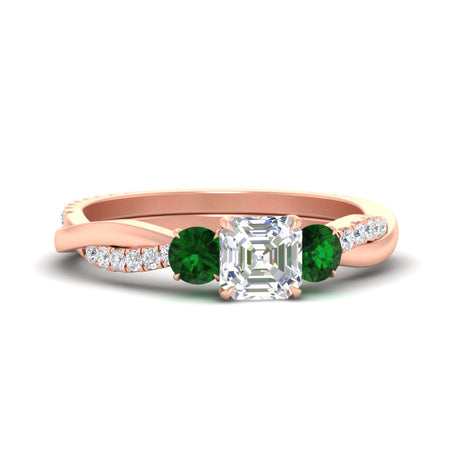
Asscher Cut Lab Diamond Trilogy Ring
$1,802.05Shop Now -
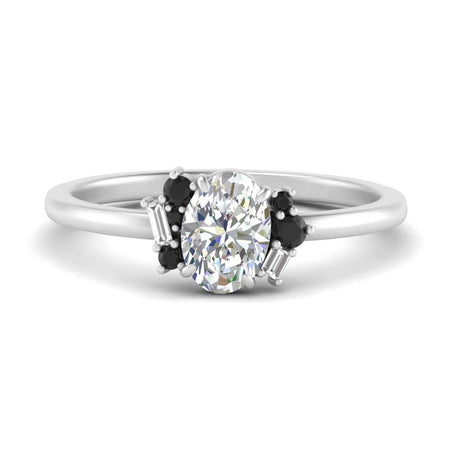
Oval Offbeat Modern Diamond Engagement Ring
$998.20Shop Now -
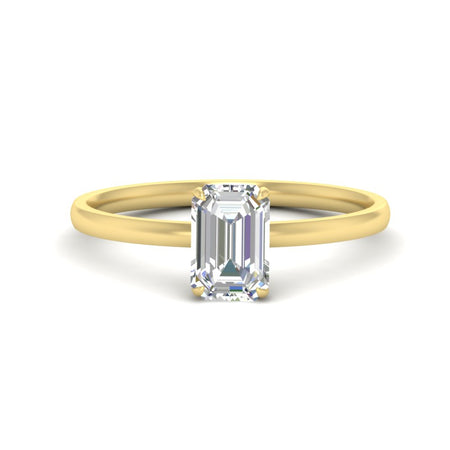
Classic Solitaire Emerald Cut Diamond 4 Prong Ring
$842.95Shop Now -

Round Cut Lab Grown Diamond Twisted Vine Engagement Ring
$1,449.00Shop Now -
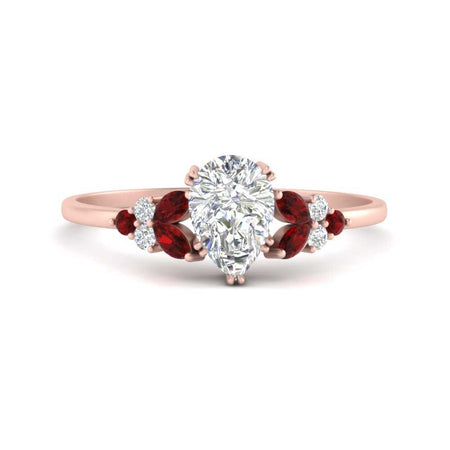
Marquise Accented Modern Engagement Ring
$1,256.95Shop Now -

Bezel Set Leaf Inspired Cushion Lab Diamond Ring
$1,300.65Shop Now -
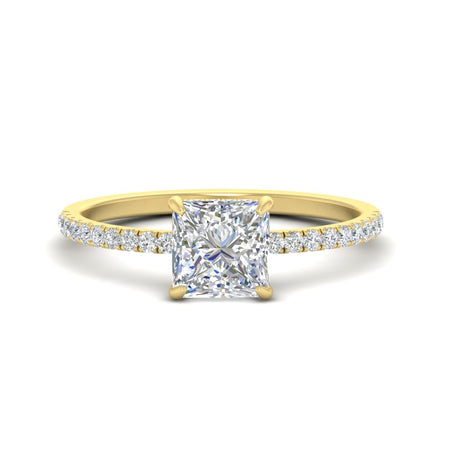
Princess Cut Pave Underhalo engagement ring
$1,476.60Shop Now -
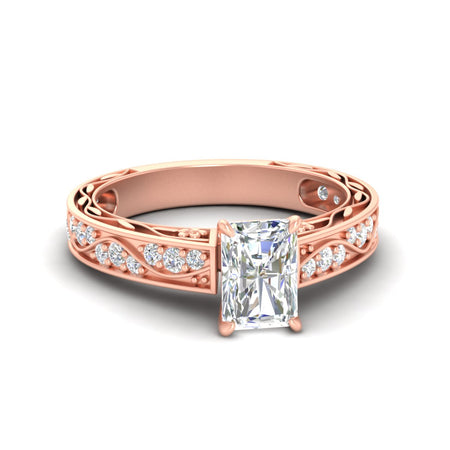
Antique Inspired Filigree Radiant Diamond Ring
$2,418.45Shop Now -
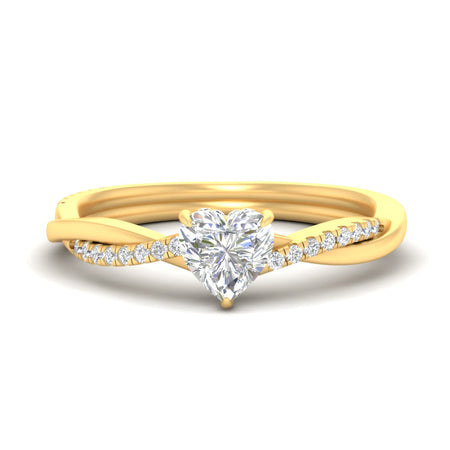
Invisible Halo Heart Shaped Diamond Twist Shank Engagement Ring
$1,697.40Shop Now


2. Engagement Ring Settings
The setting is what holds the center stone in place. It also determines how much light enters the diamond and how secure it is.
A prong setting allows more light, which increases sparkle, while engagement ring with bezel settings offer better protection. Halo on a ring adds extra brilliance by surrounding the center stone with smaller diamonds.
If you want to compare how each style looks and performs, exploring different engagement ring settings can give you a clearer direction.
-

Cathedral Pavé Lab Round Diamond Halo Ring
$1,463.95Shop Now -
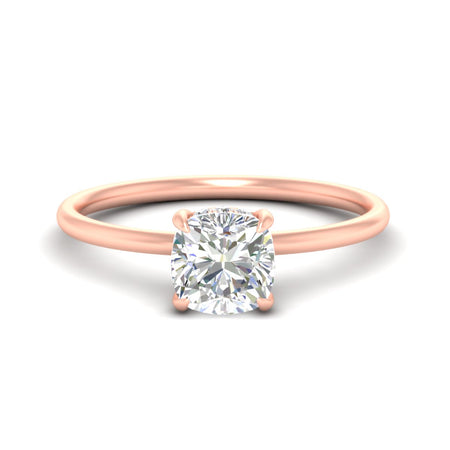
Cushion Cut Lab Grown Thin Setting Hidden Halo Ring
$1,431.75Shop Now -

East West Oval Bezel Engagement Ring
$2,051.60Shop Now -

Modern Engagement Bypass Ring
$1,263.85Shop Now -
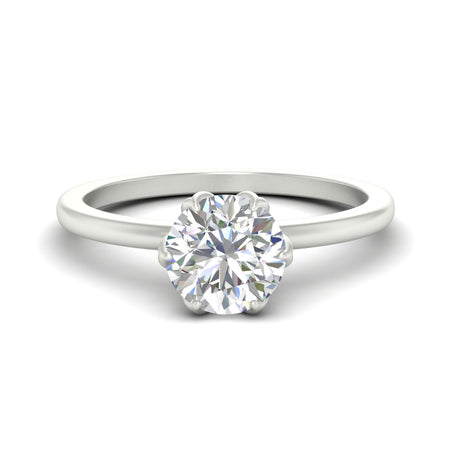
Round Cut Diamond Six Prong Solitaire Tulip Ring
$806.15Shop Now -

Oval Horizontal Solitaire Half Bezel Engagement Ring
$2,014.80Shop Now -

Asscher Diamond Graduated Channel Set Wedding Ring
$2,412.70Shop Now


3. Prong Settings For Rings
Prongs are small metal arms that grip the diamond. They may look delicate, but they are critical for keeping the stone secure.
Rings typically have four prong or six prong settings. Four prongs show more of the diamond, while six prongs offer better security, especially for larger stones.
Regular engagement ring cleaning and inspection help maintain its sparkle and catch worn prongs before they lead to stone loss.
-
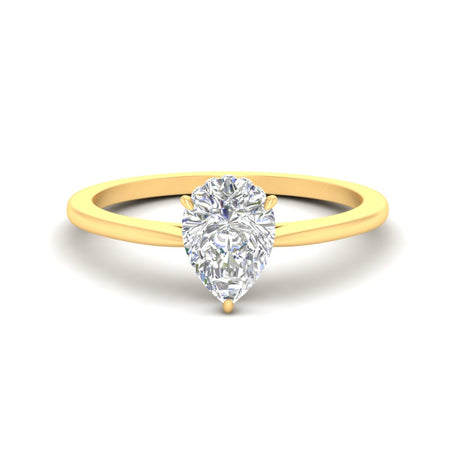
Pear Cut Hidden Halo Prong Setting Engagement Ring
$1,192.55Shop Now -

Round Cut Claw Prongs Lab Hidden Halo Ring
$1,431.75Shop Now -

3 Stone Pear Cut Prong Set Ring With Pear Accents
$1,421.40Shop Now -

Marquise Cut Twisted Under Halo Lab Prong Setting Engagement Ring
$1,428.30Shop Now -
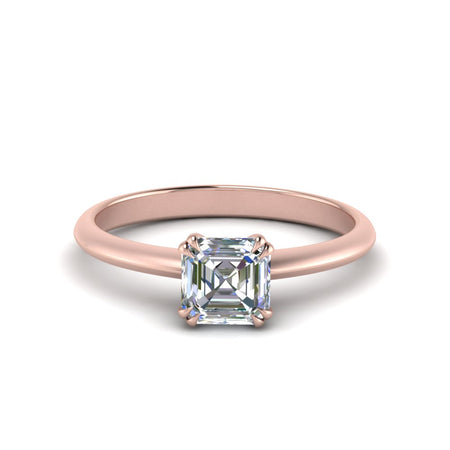
Asscher Cut Solitaire Double Prong Setting Ring
$1,099.40Shop Now


4. Engagement Ring Crown (or Head )
The crown is the top structure that holds the center stone. It includes the prongs and determines how high the diamond sits.
A higher setting allows more light to pass through the diamond, which can improve brilliance. A lower setting feels more secure and is easier to wear daily.
This choice often comes down to lifestyle. If you use your hands a lot, a lower profile tends to be more practical. For a more detailed comparison, read our guide on high setting vs low setting engagement rings.
-
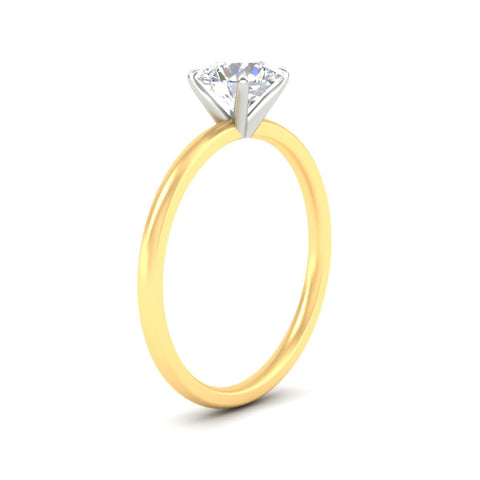
Round Cut Two Tone Comfort Fit Solitaire Diamond Ring
$849.85Shop Now -

Bypass Twist Marquise Cut Diamond Solitaire Rings
$1,831.95Shop Now -
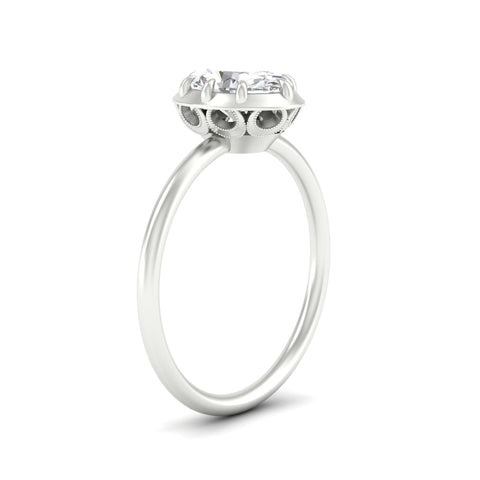
Colette Style Oval Diamond Solitaire Engagement Ring
$1,465.10Shop Now -
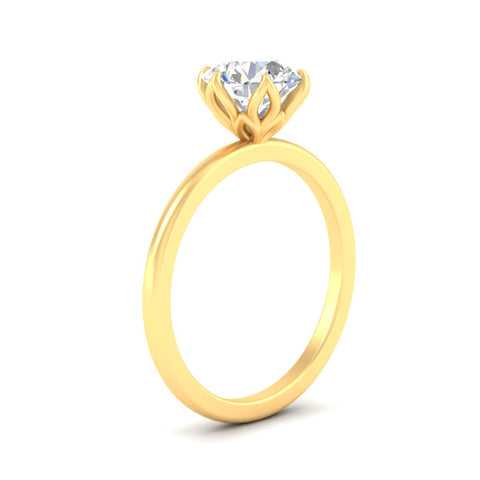
Round Cut Diamond Tulip Six Prong Solitaire Ring
$806.15Shop Now -

Emerald Cut Diamond Solitaire Ring With Ribbed Band Detail
$2,380.50Shop Now -

Asscher Cut Pavé Under Halo Engagement Ring
$1,938.90Shop Now -

Classic Lab Grown Round Diamond Ring With Hidden Halo
$1,166.10Shop Now -

Three Fourth Asscher Cut Under Halo Ring
$1,340.90Shop Now

5. Engagement Ring Basket
The basket sits beneath the center stone and supports it from below.
It plays an important role in both stability and light performance. A well-designed basket allows light to enter the diamond from multiple angles, improving sparkle.
In custom engagement rings the basket is often where subtle design details are added. If you’re planning something unique, this is one of the areas where designing your own engagement ring really makes a difference.
-
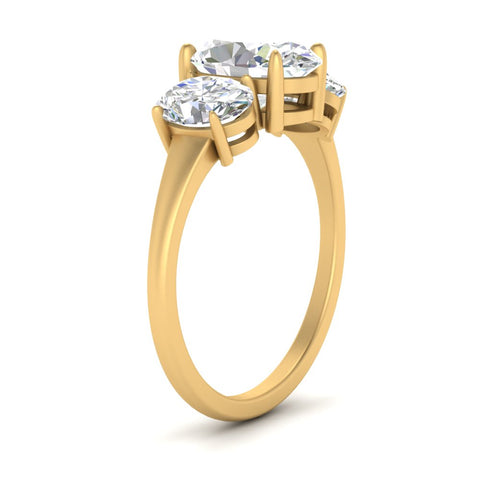
Three Stone Oval Shaped Basket Setting Engagement Ring
$4,272.25Shop Now -

3 Stone Emerald Cut Diamond Basket Setting Ring
$2,147.05Shop Now -
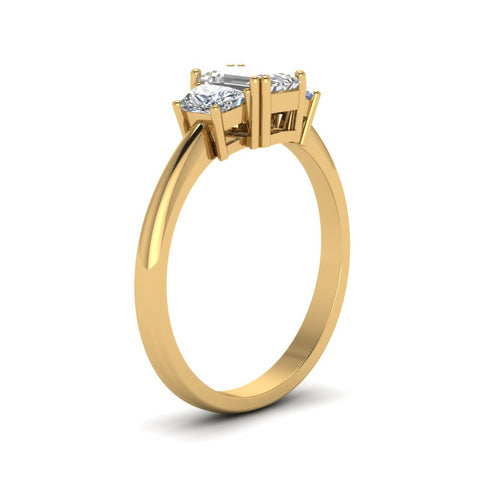
Emerald Cut Lab Diamond Basket Setting Ring
$2,313.80Shop Now -

Cushion Cut and Half Moon Accents Basket Setting Ring
$2,586.35Shop Now -
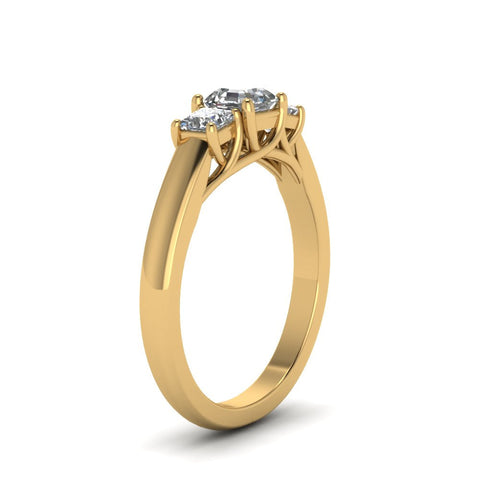
Asscher Cut 3 Stone Basket Setting Engagement Ring
$2,586.35Shop Now

6. Gallery Of Ring
The gallery is the open space under the center stone, visible from the side view.
This part of the ring is often overlooked, but it adds character. Some designs include intricate metalwork, hidden diamonds, or personalized details in this area.
You’ll notice more elaborate gallery designs in vintage style engagement rings, where craftsmanship is a key feature.
-

Celtic Asscher Cut Filigree Ring Gallery
$1,099.40Shop Now -
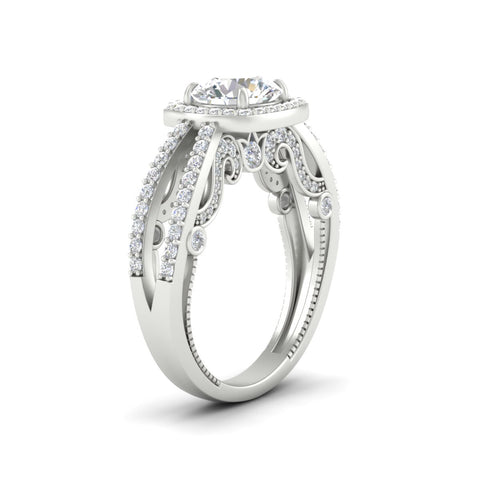
Lab Grown Round Diamond Filigree Gallery of a Ring
$3,352.25Shop Now -
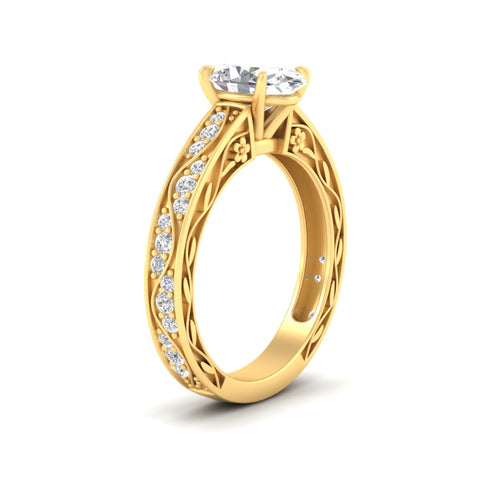
Authentic Oval Antique Style Gallery Ring
$2,418.45Shop Now -

Round Cut Lab Grown Diamond 3 Stone Gallery of Ring
$1,775.60Shop Now -
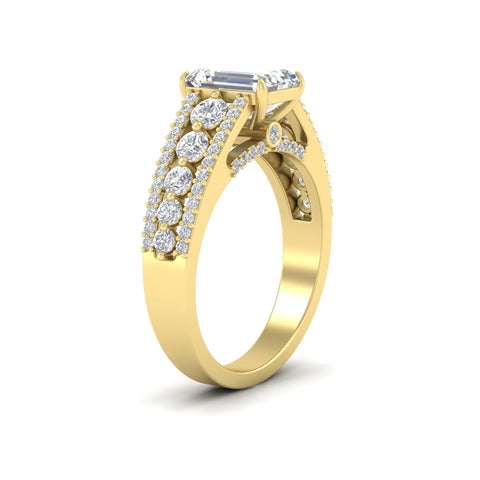
3 Row Emerald Cut Diamond Gallery of a Ring
$2,702.50Shop Now -

6 Prong Round Filigree Gallery Ring
$2,066.55Shop Now

7. Ring Shank (Band)
The shank is the band that wraps around your finger. It affects both comfort and durability.
A thicker band offers more strength, while a thinner band gives a lighter, more delicate look. Some bands split or taper as they approach the center stone, adding visual interest.
If you plan to wear a diamond wedding band alongside your engagement ring, the shape and thickness of the shank become even more important. Looking at types of wedding rings early can help ensure a good fit later.
-
SAVE 37%

Lab Grown Round Cut Leaf and Vine Engagement Ring
$1,075.25$1,700.85Shop Now -
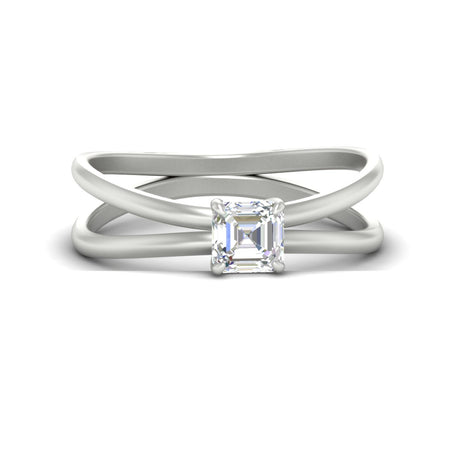
Asscher Cut Solitaire Split Shank Engagement Ring
$1,684.75Shop Now -
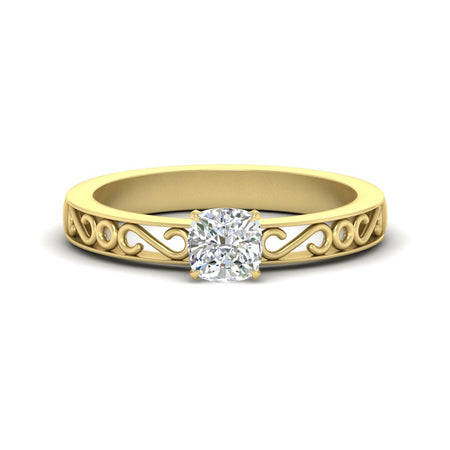
Cushion Cut Diamond Filigree Wedding Ring
$1,282.25Shop Now -

Round Cut Solitaire Diamond Bypass Ring
$1,025.80Shop Now -

Asscher Cut Classic Vine Halo Twisted Band Engagement Ring
$1,945.80Shop Now -

Delicate Vine Engagement Ring
$1,483.50Shop Now -
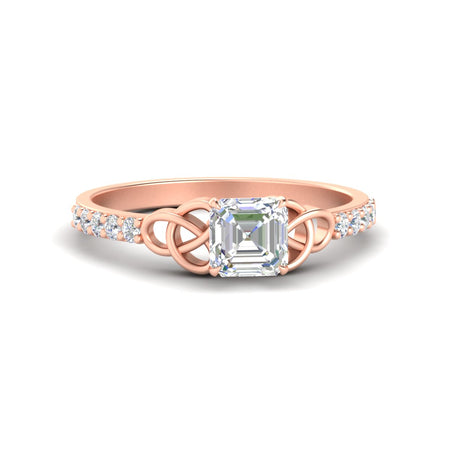
Asscher Cut Petite Celtic Design Ring
$1,722.70Shop Now -
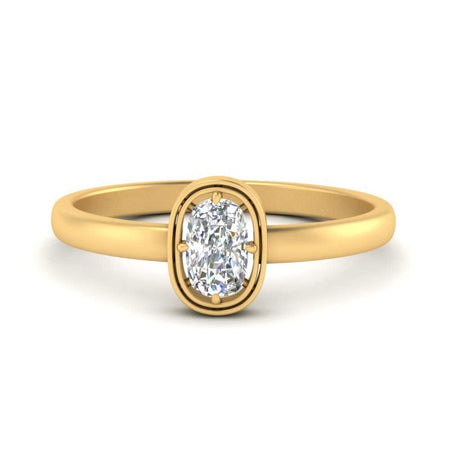
Cushion Cut Diamond Bezel Simple Band Engagement Ring
$1,099.40Shop Now -
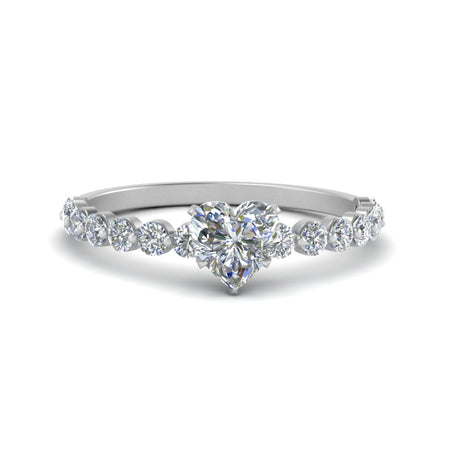
Heart Shape Common Prong Thin Lab Created Engagement Ring
$1,292.60Shop Now -
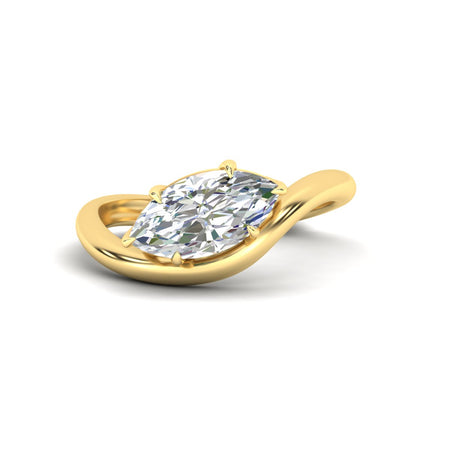
Marquise Cut Solitaire Curve Wedding Ring
$1,391.50Shop Now


8. Ring Shoulders
The shoulders are the upper sections of the band that lead up to the center stone.
They help guide attention toward the diamond and can include design elements like small accent stones or unique shapes.
In styles like split shank engagement rings or side stone engagement rings, the shoulders play a much bigger visual role and can significantly change the overall appearance.
-

East West Cushion Diamond 2 Tone Engagement Ring
$1,230.50Shop Now -
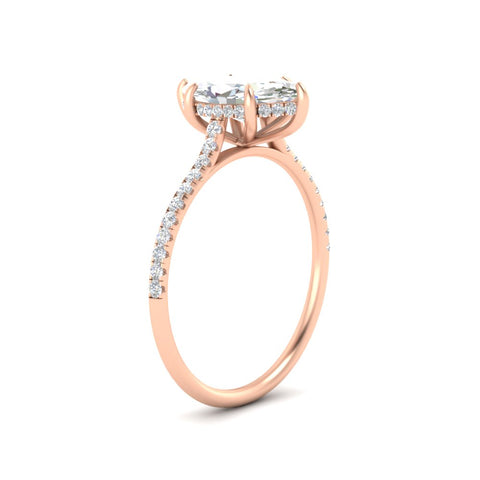
Marquise Cut Cathedral Halo Diamond Engagement Ring
$1,699.70Shop Now -
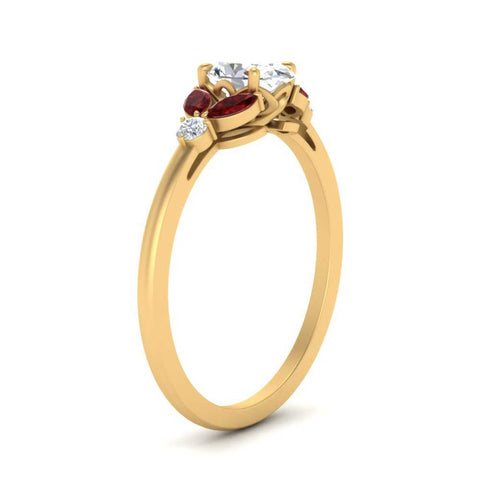
Oval Shaped Vintage Marquise And Round Engagement Ring
$1,757.20Shop Now -
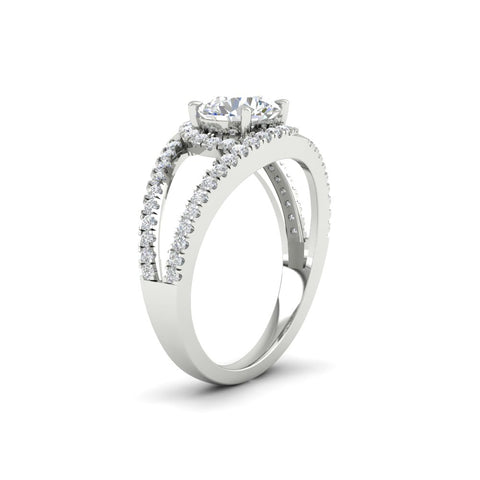
Halo Swirl Lab-Grown Round Cut Engagement Ring
$1,605.40Shop Now -
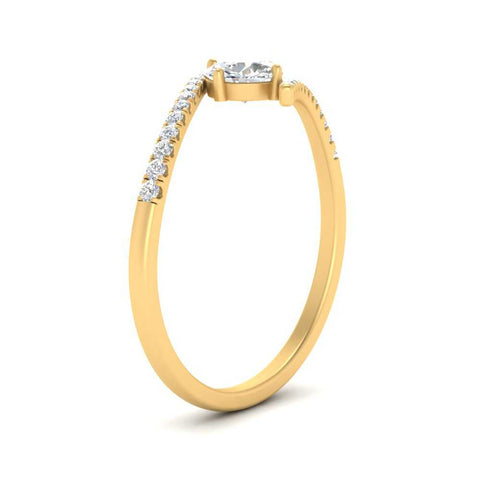
Bypass Modern Engagement Ring
$1,263.85Shop Now -

Leaf Vine Round Diamond Solitaire Engagement Ring
$1,282.25Shop Now -
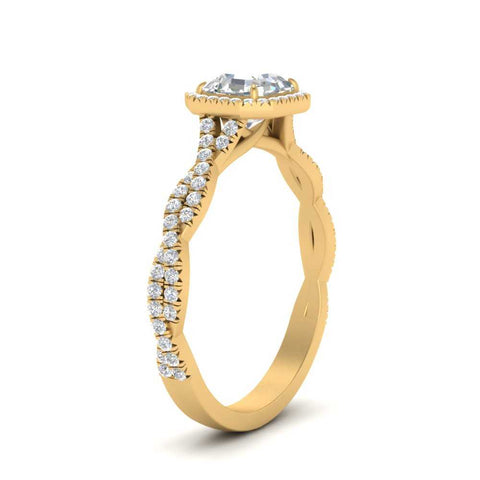
Asscher Cut Classic Vine Halo Diamond Ring
$1,945.80Shop Now -
Round Cut Lab Diamond Split Shank Vintage Ring
$3,352.25Shop Now -
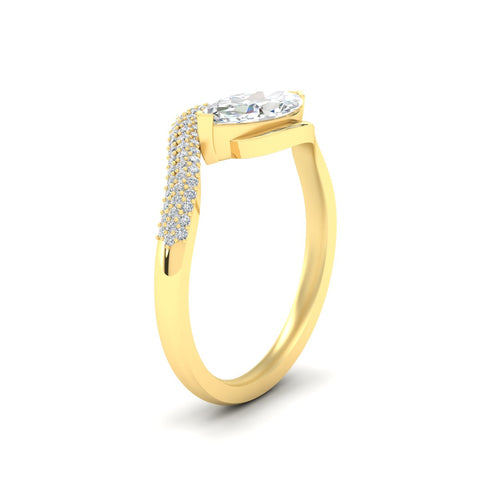
Round Cut Three Stone Swirl Engagement Ring
$1,814.70Shop Now

9. Engagement Ring Side Stones
Side stones are smaller diamonds added to enhance the center stone.
They can be placed along the band, beside the center stone, or around it in a halo design. These stones increase overall sparkle and can make the center diamond appear larger.
If you’re drawn to more brilliance, styles like halo ring or pavé bands are worth considering, but they also require slightly more maintenance due to the number of small stones.
-

Asscher Cut Cathedral French Pavé Side Stone Engagement Ring
$1,293.75Shop Now -

Radiant Cut Thin Band Baguette Side Stone Engagement Rings
$1,758.35Shop Now -
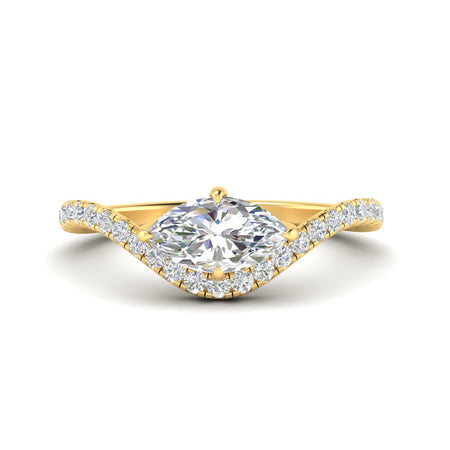
Marquise Cut Curved Pavé Side Stone Engagement Ring
$1,084.45Shop Now -

7 Stone Classic Asscher Cut Side Stone Engagement Ring
$2,627.75Shop Now -
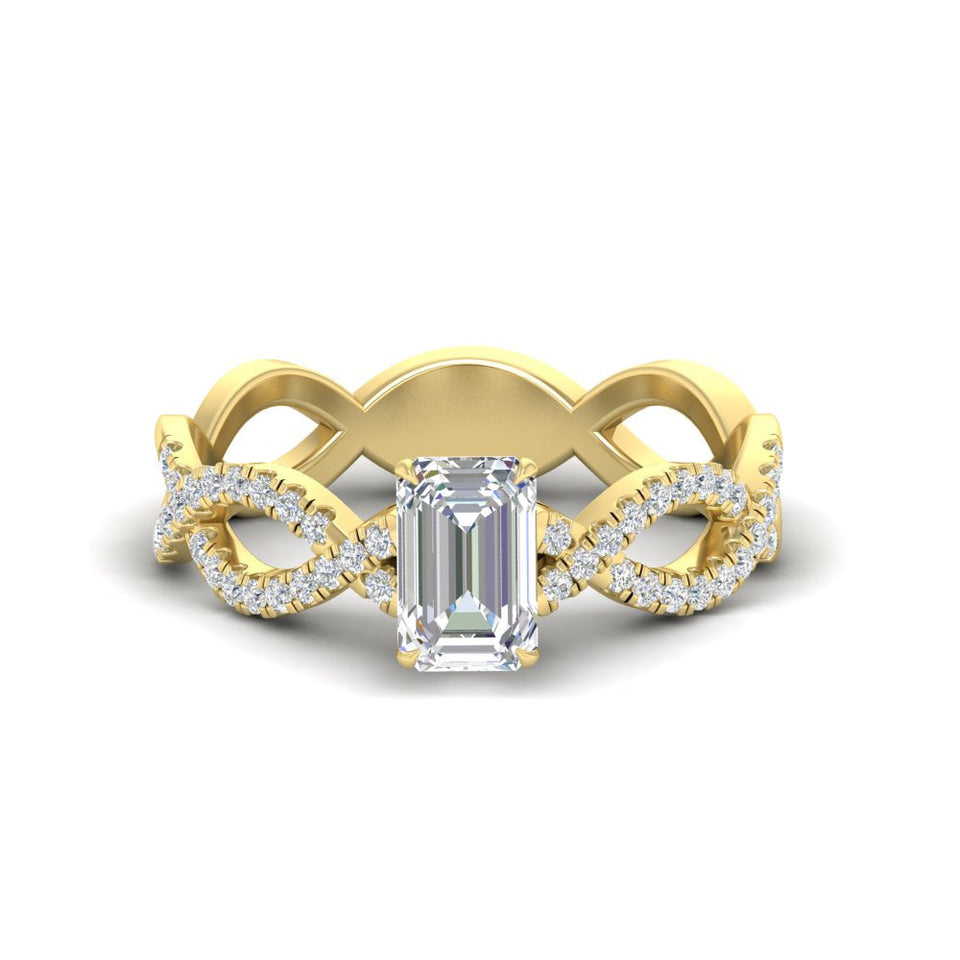
Infinity Twist Luxe Engagement Ring with Side Stones
$1,550.20Shop Now -

Asscher Cut Cathedral Pavé Side Stone Engagement Ring
$1,192.55Shop Now


10. Engagement Ring Bridge
The bridge connects the two sides of the ring beneath the center stone.
It’s not always visible from the top, but it adds structural support and balance. Some designs include hidden details here, which makes the ring feel more personal without changing its overall look.
-
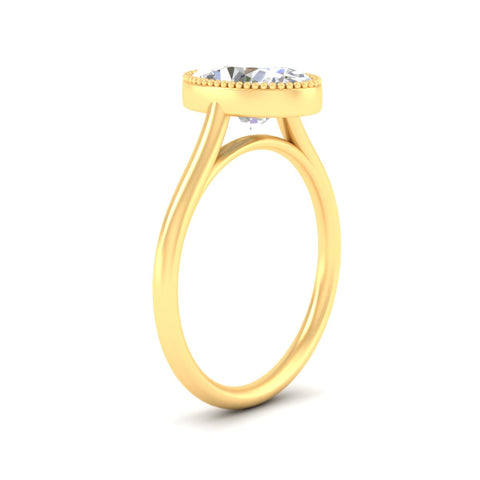
Milgrain Bezel Oval Diamond Engagement Ring with Bridge
$956.00Shop Now -

Classic Lab Grown Round Diamond Bridge Engagement Ring
$1,166.10Shop Now -
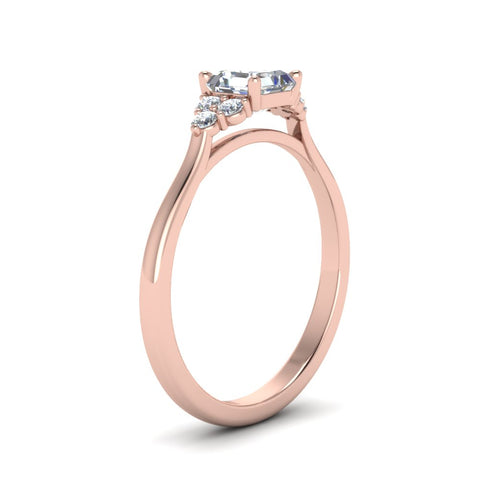
Asscher Cut Petite Cathedral Engagement Ring Bridge
$1,122.40Shop Now -
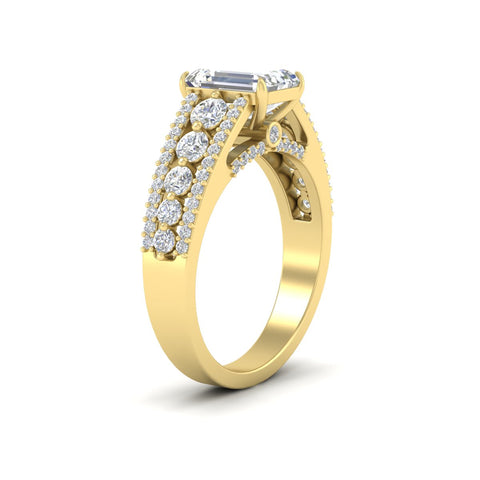
3 Row Emerald Cut Diamond Engagement Ring with Bridge
$2,702.50Shop Now -

Hidden Halo Cushion Cut Solitaire Bridge Engagement Ring
$1,192.55Shop Now -

Asscher Cut Cathedral Halo Engagement Ring Bridge
$1,699.70Shop Now -
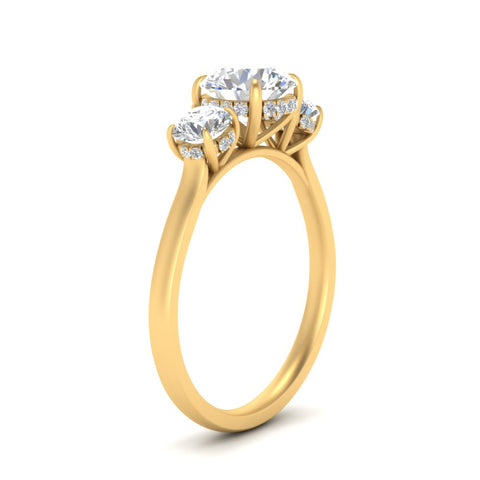
Hidden Halo 3 Stone Round Cut Engagement Ring
$2,198.80Shop Now

11. Cathedral Engagement Ring
A cathedral design features arches that rise from the band to support the center stone. This creates a more elevated and elegant appearance while also adding strength.
A cathedral setting ring is a good choice if you want the diamond to stand out more without increasing its size.
-
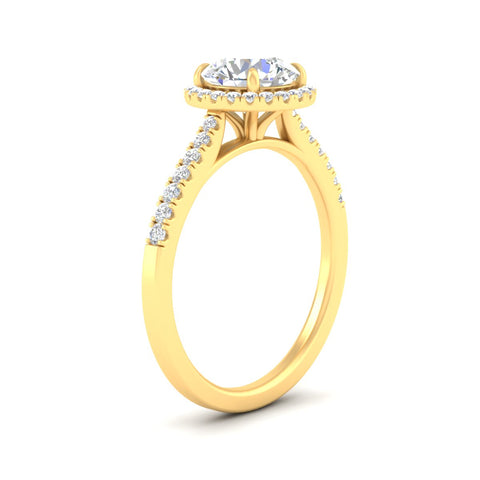
Halo Pavé Lab Round Diamond Cathedral Setting Ring
$1,463.95Shop Now -

Round Authentic Diamond Ring in Cathedral Setting
$1,569.75Shop Now -
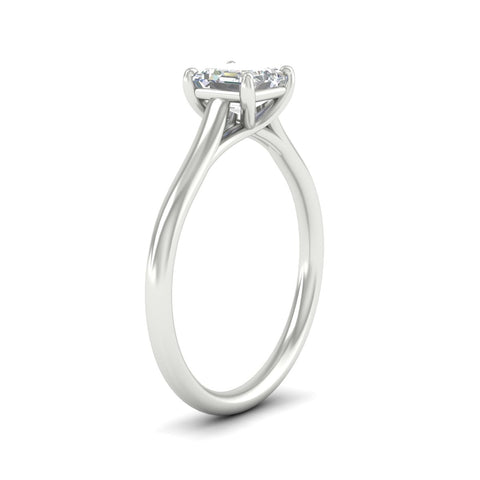
Asscher Cut Flat Band Cathedral Setting Ring
$1,099.40Shop Now -
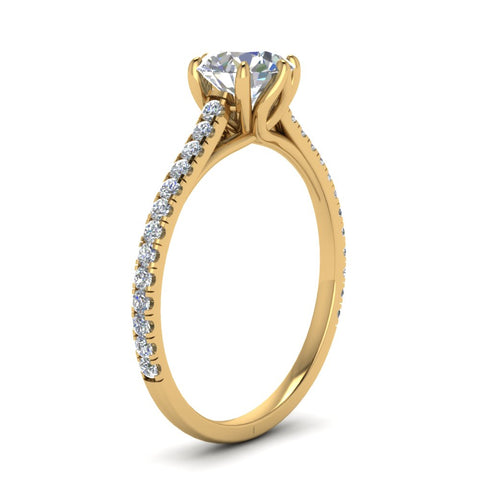
6 Claw Prong Simple Round Diamond Cathedral Ring
$2,026.30Shop Now -

Emerald Cut Petite Ring in Cathedral Setting
$1,122.40Shop Now

12. Engagement Ring Metal Type
The metal forms the foundation of the ring and affects its color, durability, and maintenance
White metals, such as a platinum engagement ring and a white gold engagement ring, enhance the brightness of diamonds, while a yellow gold engagement ring and a rose gold engagement ring add warmth and contrast.
If you’re unsure which to choose, a simple metal guide can help you compare durability, appearance, and long-term wear.
-
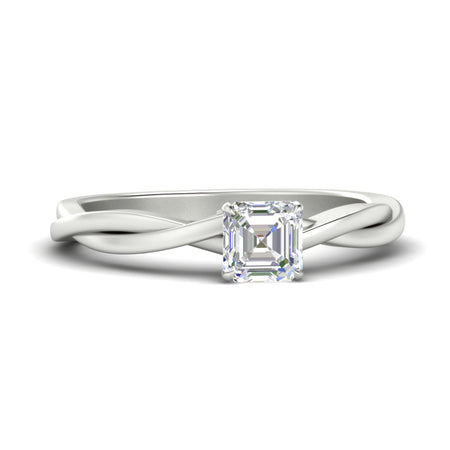
Asscher Cut Braided Shank Platinum Engagement Ring
$1,345.50Shop Now -
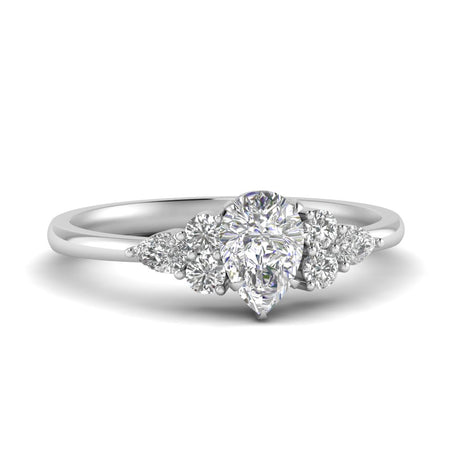
Pear Accented Simple Platinum Engagement Ring
$1,704.30Shop Now -

Antique Style Lab-Grown Marquise Diamond Platinum Marriage Ring
$2,380.50Shop Now -

East West Cushion Diamond Platinum Engagement Ring
$1,506.50Shop Now -
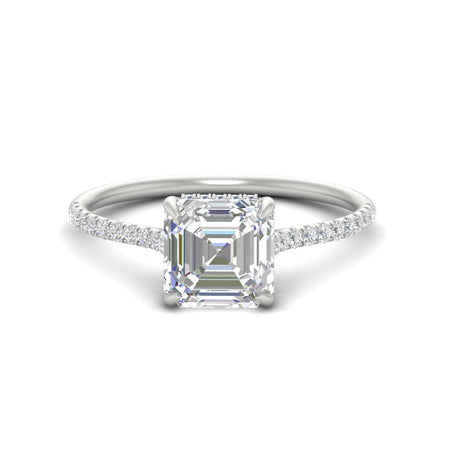
Asscher Cut Cathedral Halo Engagement Ring in Platinum
$1,958.45Shop Now -

Art Deco Emerald Cut Platinum Marriage Ring
$2,360.95Shop Now -

Halo Diamond Infinity Shank Platinum Engagement Ring
$3,016.45Shop Now -

Asscher Cut Halo Cluster Engagement Ring in Platinum
$1,903.25Shop Now


-
Cushion Cut Diamond Filigree Yellow Gold Engagement Ring
$1,282.25Shop Now -
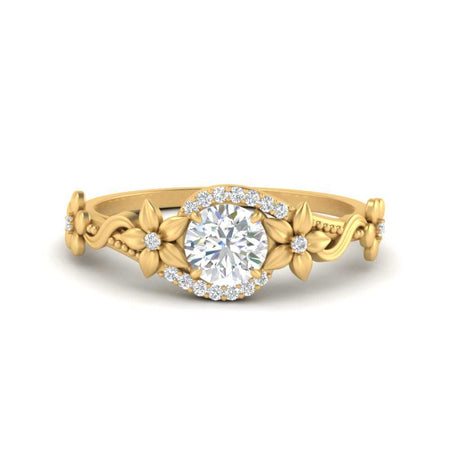
Round Diamond Floral Halo Yellow Gold Wedding Ring
$1,253.50Shop Now -
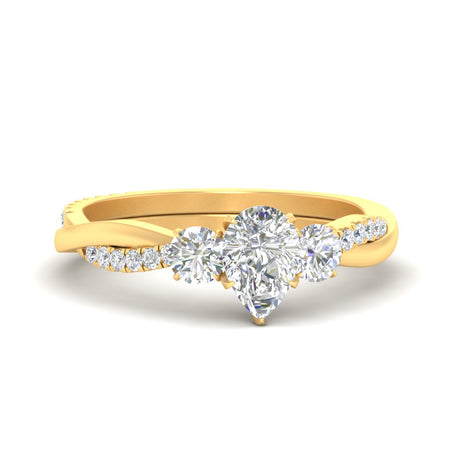
3 Stone Pear Shaped Twisted Vine Yellow Gold Bridal Ring
$2,325.30Shop Now -

Oval Half Bezel Yellow Gold Engagement Ring
$2,014.80Shop Now -
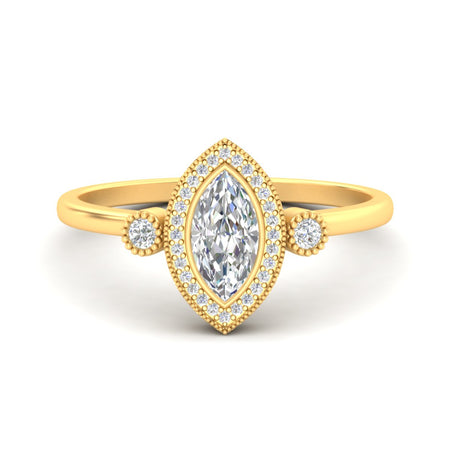
Vintage Bezel Marquise Cut Halo Yellow Gold Wedding Ring
$1,858.40Shop Now -
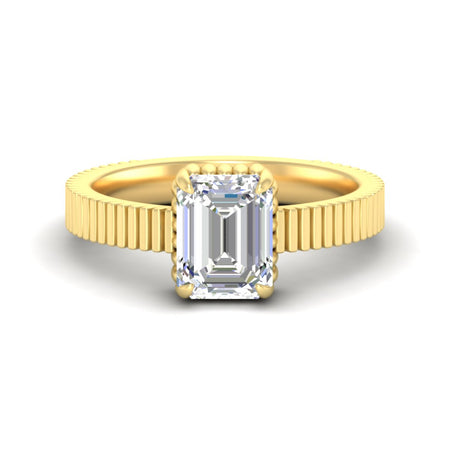
Emerald Cut Diamond Yellow Gold Engagement Ring
$2,380.50Shop Now -
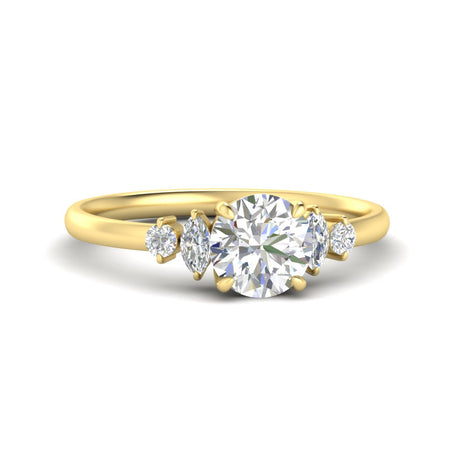
Round Cut Marquise Yellow Gold Bridal Ring
$1,498.45Shop Now -
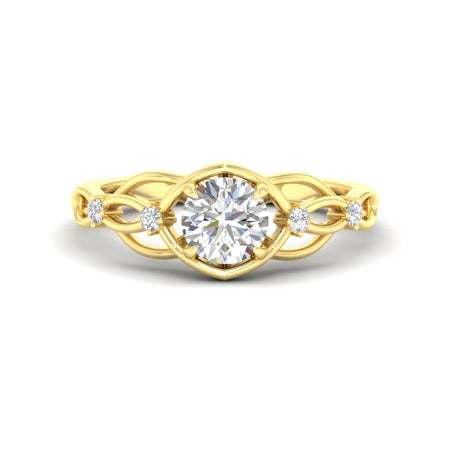
Celtic Infinity Round Diamond Yellow Gold Wedding Ring
$1,236.25Shop Now

-
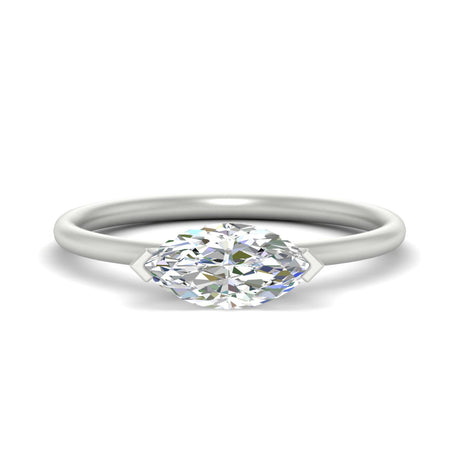
Horizontal Marquise Cut White Gold Diamond Engagement Ring
$915.40Shop Now -

Antique Style Round Solitaire Engagement Ring in White Gold
$1,465.10Shop Now -

Cathedral Halo Pavé Lab Round White Gold Engagement Ring
$1,463.95Shop Now -

Asscher Cut Leaf Halo White Gold Diamond Ring
$1,712.35Shop Now -
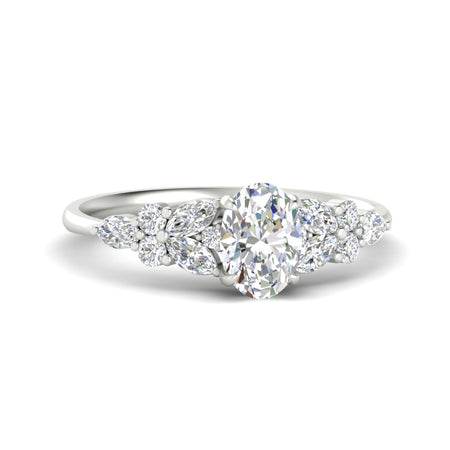
Oval Floral Vintage Lab Engagement Ring in White Gold
$1,605.40Shop Now -

Asscher Cut Milgrain Vintage White Gold Diamond Ring
$1,453.60Shop Now -

Cushion Cut Trellis Twisted 3 Stone Engagement Ring in White Gold
$2,636.95Shop Now


-
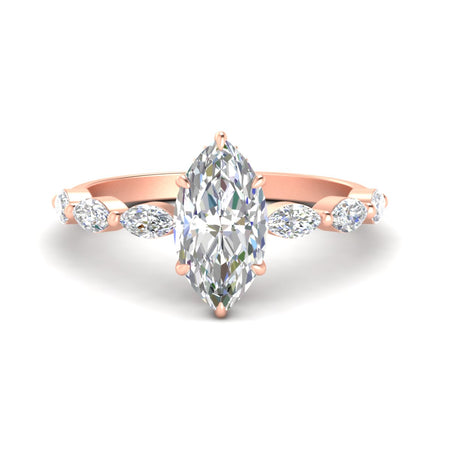
Marquise Cut Lab Diamond Rose Gold Engagement Ring
$1,583.55Shop Now -
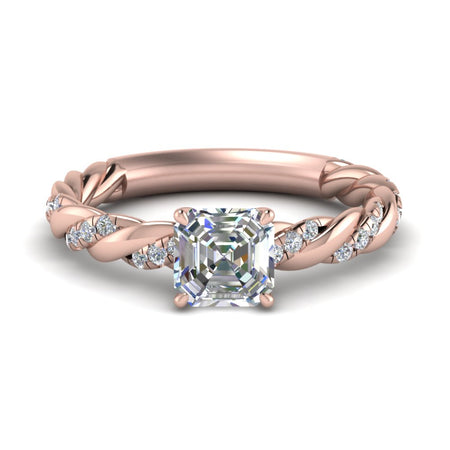
Asscher Cut Lab Grown Twisted Vine Rose Gold Ring
$1,449.00Shop Now -
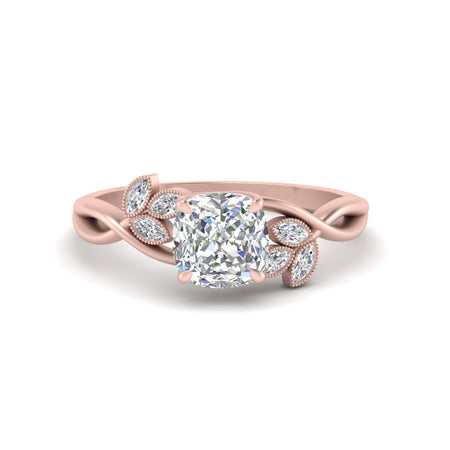
Bezel Set Leaf Inspired Cushion Lab Diamond Engagement Ring in Rose Gold
$1,300.65Shop Now -
Asscher Cut Lab Created Cathedral Rose Gold Ring
$1,192.55Shop Now -
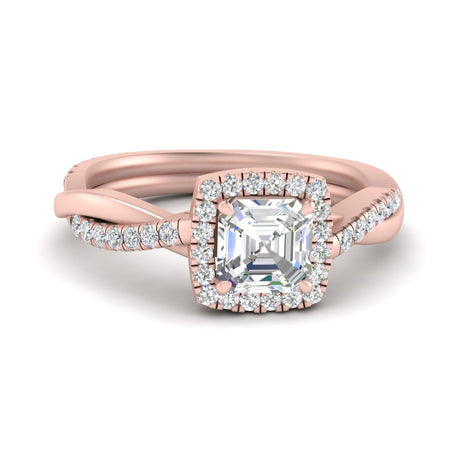
Halo Asscher Cut Diamond Rose Gold Engagement Ring
$1,728.45Shop Now -

Horizontal Oval Diamond Solitaire Rose Gold Ring
$1,025.80Shop Now -
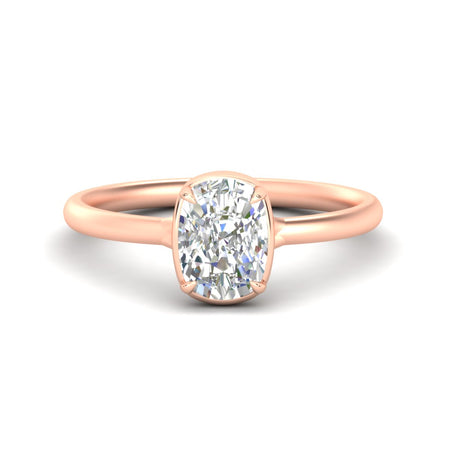
Cushion Cut Flush Collet Solitaire Engagement Ring in Rose Gold
$1,025.80Shop Now -
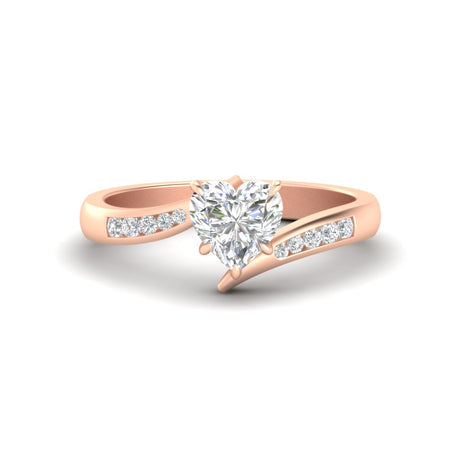
Heart Shaped Channel Set Swirl Rose Gold Engagement Ring
$3,245.30Shop Now


13. Ring Profile and Fit
The profile refers to how high the ring sits on your finger.
High-profile rings allow more light into the diamond but may snag more easily. Low-profile rings sit closer to the finger and are better for everyday wear.
Comfort is just as important as design. Getting the correct size makes a big difference, so using a proper ring size guide before buying is always a smart step.
-
East West Cushion 2 Tone High Setting Engagement Ring
$1,230.50Shop Now -

Asscher Cut Pavé Under Halo High Set Ring
$1,938.90Shop Now -
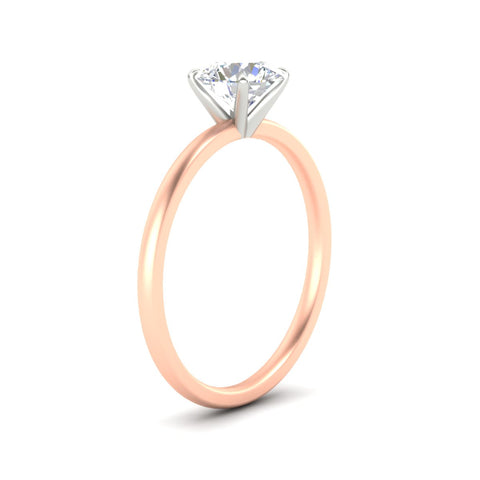
Round Cut Two Tone High Setting Solitaire Ring
$849.85Shop Now -

Milgrain Bezel Oval Diamond Cathedral High Setting Ring
$956.00Shop Now -
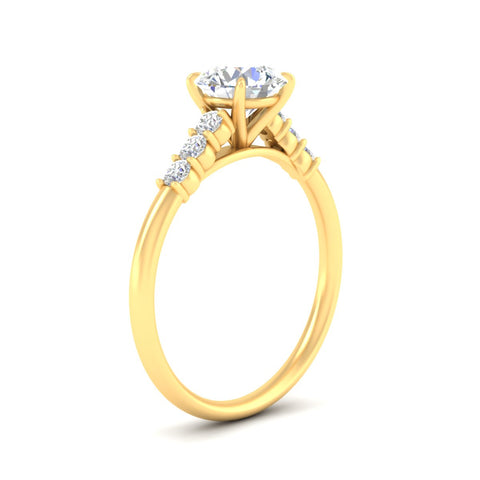
Cathedral Setting Round High Set Engagement Ring
$1,569.75Shop Now -

Antique Style Round High Setting Solitaire Ring
$1,465.10Shop Now -

Hidden Halo Micropavé High Setting Ring
$1,503.05Shop Now -

Round Cut Tulip Six Prong High Setting Ring
$806.15Shop Now
-
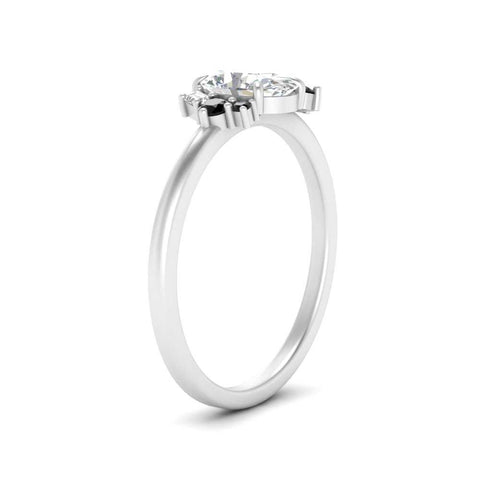
Oval Offbeat Modern Low Profile Engagement Ring
$998.20Shop Now -
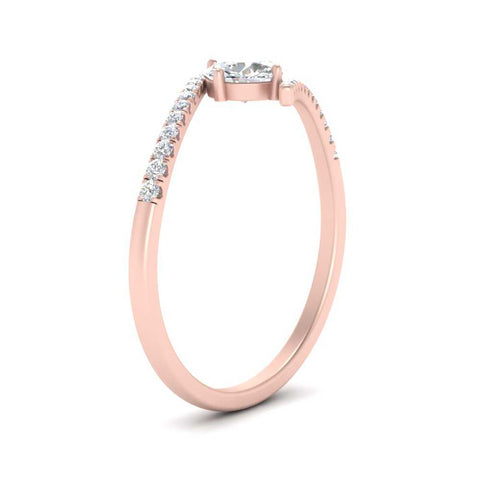
Bypass Modern Low Setting Engagement Ring
$1,263.85Shop Now -

Pear Shaped Solitaire Low Profile Bezel Set Engagement Ring
$956.00Shop Now -
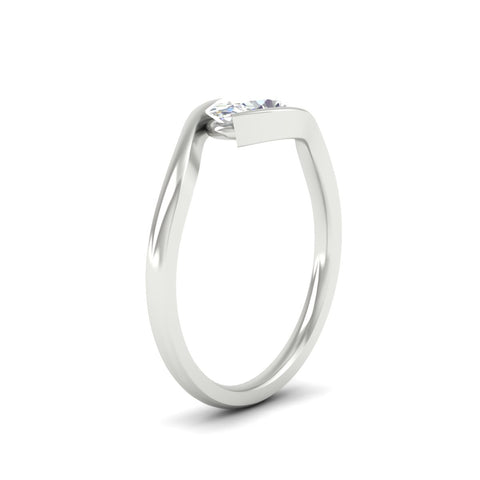
East West Oval Solitaire Low Profile Engagement Ring
$1,025.80Shop Now -
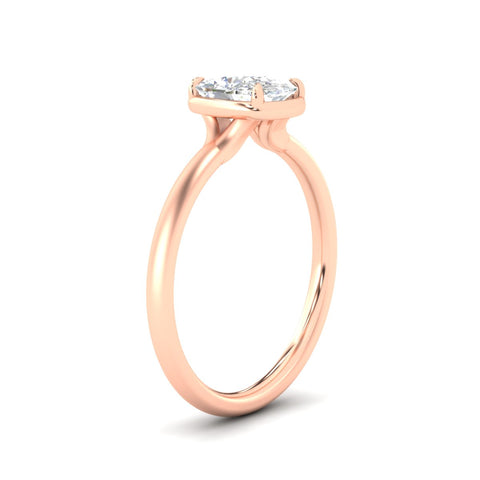
Cushion Cut Solitaire Low Profile Engagement Ring
$1,025.80Shop Now

How Everything Comes Together
Each part of an engagement ring has a specific role:
- The center stone draws attention
- The setting and prongs secure it
- The basket and gallery improve light performance
- The band and shoulders provide structure and comfort
Understanding the anatomy of an engagement ring helps you see beyond just the diamond and appreciate how each detail contributes to the final piece.

Practical Buying Tips
Understanding anatomy helps you make smarter decisions.
- Choose a secure setting if you live an active lifestyle
- Go for a lower profile if you want everyday comfort
- Check prong thickness for long-term durability
- Don’t ignore the band, it affects wearability more than most people expect
Final Thought
Understanding engagement ring anatomy changes how you shop. Instead of focusing only on the diamond, you start noticing the structure, the comfort, and the small details that actually make a difference over time.
Once you understand a ring’s anatomy, you can confidently choose a design that not only looks beautiful but also fits your everyday life.
Real Customer Reviews
Frequently Asked Questions
1. What is engagement ring anatomy?
Engagement ring anatomy refers to all the individual parts that make up a ring, including the center stone, setting, prongs, band, and other structural elements. Each component plays a role in the ring’s appearance, durability, and comfort.
2. What are the main parts of an engagement ring?
The main parts include the center stone, setting, prongs, head, basket, gallery, shank or band, shoulders, and accent stones. These elements work together to hold the diamond securely and enhance its overall look.
3. What is the purpose of prongs in a ring?
Prongs are small metal claws that hold the center stone in place. They keep the diamond secure while allowing light to pass through, which improves sparkle.
4. What is the difference between a setting and a band?
The setting is the top portion that holds the diamond, while the band is the circular part that wraps around the finger. The setting affects the ring’s design and security, while the band impacts comfort and durability.
5. What is a ring shank?
The shank is another name for the band of the ring. It is the part that sits around the finger and supports the entire structure of the ring.
6. What is a basket in an engagement ring?
The basket is the framework beneath the center stone. It supports the diamond and allows light to enter from below, which enhances brilliance.
7. What is a gallery in a ring?
The gallery is the open space below the center stone, visible from the side view. It often includes decorative details and helps improve light flow through the diamond.
8. What is a cathedral setting?
A cathedral setting features arches that rise from the band to support the center stone. It creates an elevated look and adds strength to the ring’s structure.
9. Why are accent stones used in engagement rings?
Accent stones are smaller diamonds added to increase sparkle and enhance the appearance of the center stone. They can make the main diamond look larger and more brilliant.
10. How do I choose the right ring structure?
Focus on your lifestyle and daily wear. A lower profile and secure setting work well for active lifestyles, while higher settings and intricate designs suit occasional wear. Comfort, durability, and maintenance should all be considered.
11. What is the most secure engagement ring setting?
Bezel and six-prong settings are considered among the most secure because they offer strong protection for the center stone and reduce the risk of damage or loss.
12. Does ring anatomy affect durability?
Yes, the structure of the ring directly impacts durability. Thicker bands, secure prongs, and well-built settings make a ring more resistant to wear and damage over time.