


- Introduction
- History of the Radiant Cut Diamond
- Understanding the Radiant Cut Diamond
- Pros and Cons of Radiant Cut Diamonds
- The 4Cs of Radiant Cut Diamonds
- Popular Settings for Radiant Cut Diamonds
- Popular Radiant Diamond Metal Choices
- Popular Radiant Diamond Band Styles
- Radiant Cut Diamonds vs Other Shapes
- Price and Value
- Care and Maintenance
- Radiant Cut Diamonds in Pop Culture
- Final Buying Tips

Introduction
The Radiant Cut Diamond combines the brilliance of a round diamond with the clean, elegant shape of an emerald cut. With its trimmed corners and sparkling facets, it’s a favorite for those who love both fire and symmetry. The radiant cut’s unique design maximizes light reflection, giving it an eye-catching glow that stands out in any setting.

History of the Radiant Cut Diamond
The radiant cut was introduced in 1977 by master cutter Henry Grossbard. His goal was to merge the glamour of step cuts and the brilliance of round cuts. The result was a rectangular or square diamond with 70 facets, offering unmatched sparkle and symmetry. Since then, radiant cut diamonds have become a popular choice for modern engagement rings.

Understanding the Radiant Cut Diamond
Radiant cut diamonds feature trimmed corners and a brilliant-cut facet pattern on both the crown and pavilion. This design produces intense sparkle and fire while maintaining a geometric silhouette. The shape can be square or rectangular, making it a versatile choice for various ring settings.
Pros and Cons of Radiant Cut Diamonds
- Exceptional brilliance due to its brilliant facet pattern.
- Versatile shape works with both classic and modern designs.
- Durable corners reduce the risk of chipping.
- Elongated versions make fingers look longer and slimmer.
- The depth of the cut can make it appear smaller than other shapes of the same carat.
- Needs precise symmetry to display maximum brilliance.
The 4Cs of Radiant Cut Diamonds
1. Cut
Look for Excellent to Very Good cut grades to enhance light reflection.
2. Color
Radiant cuts tend to show color easily, so opt for G or higher for white brilliance.
3. Clarity
The brilliant facets hide inclusions well, making SI1 or higher a smart choice.
4. Carat
Because of their depth, radiant diamonds may appear smaller; consider slightly higher carat weight if size matters.

Popular Setting Styles for Radiant Cut Diamonds
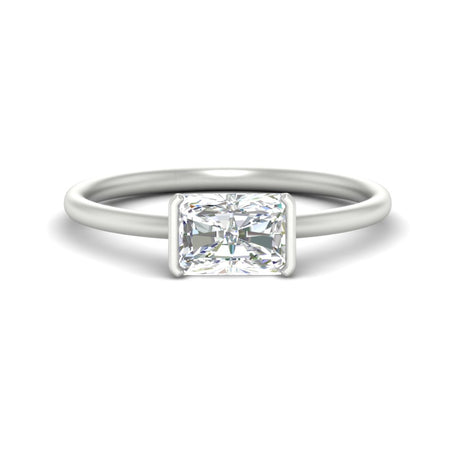
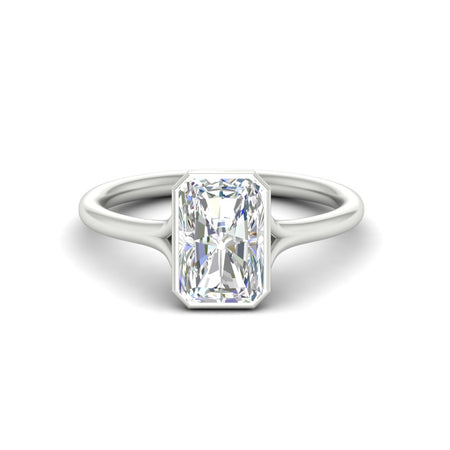
Radiant cut diamonds shine brilliantly in a variety of captivating ring settings that highlight their unique blend of sparkle and geometry. Solitaire rings showcase the diamond’s crisp edges and dazzling brilliance with timeless elegance and simplicity. Halo rings amplify the radiant cut’s fire, surrounding the center stone with a shimmering frame that enhances its size and allure. Three-stone rings beautifully complement the radiant diamond with side stones, representing a couple’s journey through past, present, and future. For a sleek and modern aesthetic, Bezel rings provide a stylish, secure setting that accentuates the diamond’s clean lines — perfect for those who love a contemporary, bold look.
-

Cathedral Shank Radiant Cut Solitaire Engagement Ring
$1,099.40Shop Now -
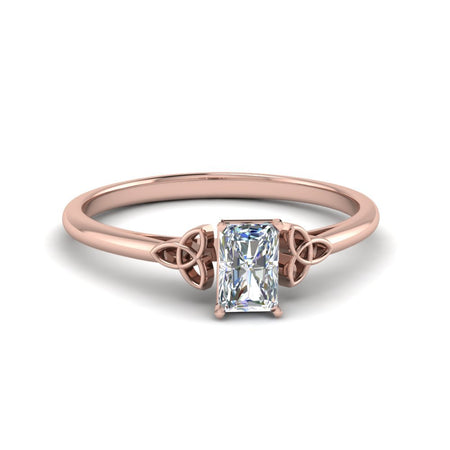
Radiant Cut Diamond Celtic Knot Solitaire Engagement Ring
$1,282.25Shop Now -
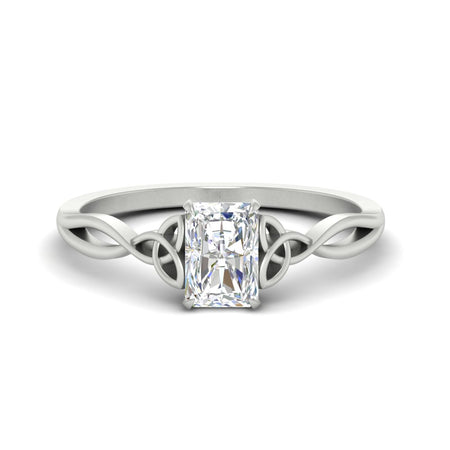
Radiant Cut Diamond Irish Split Solitaire Engagement Ring
$915.40Shop Now -

Comfort Fit Radiant Cut Two Tone Solitaire Diamond Ring
$849.85Shop Now -

Knife Edge Radiant Cut Solitaire Diamond Engagement Ring
$1,099.40Shop Now -

Milgrain Edge Radiant Cut Solitaire Engagement Ring
$1,428.30Shop Now -
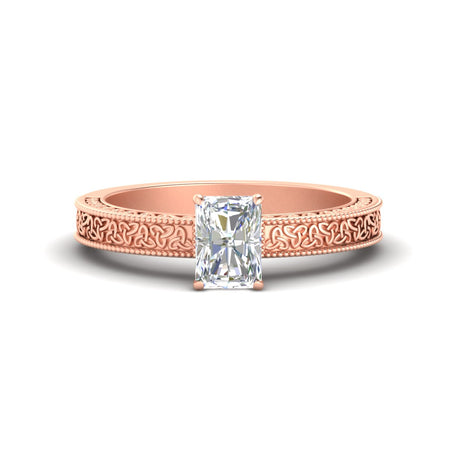
Engraved Celtic Design Radiant Cut Solitaire Engagement Ring
$1,099.40Shop Now


-

Radiant Cut Trellis Twisted 3 Stone Ring
$2,155.10Shop Now -
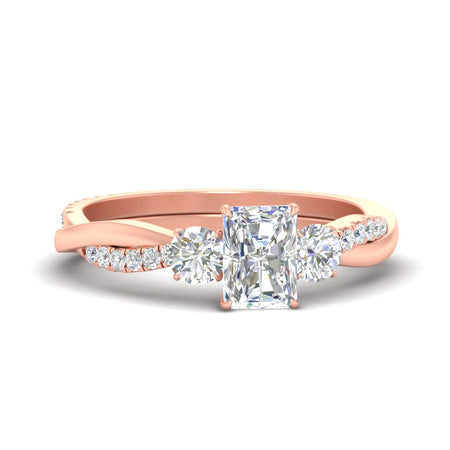
Three Stone Radiant Cut Twisted Vine Engagement Ring
$2,325.30Shop Now -

Radiant Cut Channel Three Stone Classic Diamond Ring
$2,903.75Shop Now -

Radiant Cut Lab Created Three Stone Diamond Ring
$1,426.00Shop Now -

Radiant Cut Three Stone Cathedral Bridal Engagement Ring
$1,421.40Shop Now -
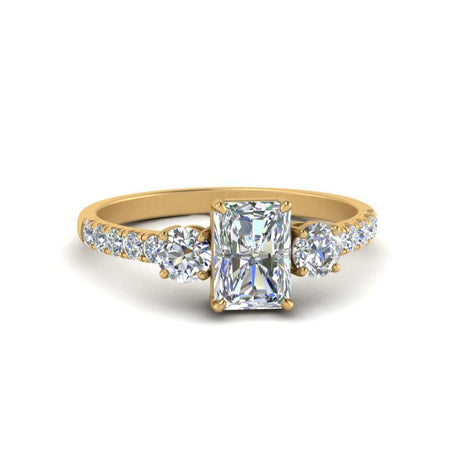
Radiant Cut Lab Grown Past Present Future Micropavé Ring
$1,117.80Shop Now -

Radiant Cut Cathedral Setting Ring With Trapezoid Accents
$3,099.25Shop Now





Popular Radiant Diamond Metal Choices
Radiant cut diamonds pair beautifully with a variety of metal choices that emphasize their vibrant sparkle and modern elegance. White gold engagement rings offer a sleek, contemporary shine that enhances the diamond’s crisp facets and brilliant fire. Yellow gold engagement rings bring a rich, timeless warmth that accentuates the radiant cut’s luxurious glow. Rose gold engagement rings add a romantic, vintage-inspired charm with soft, feminine tones. Black gold engagement rings create a striking, dramatic contrast that highlights the diamond’s geometric shape and brilliance. For lasting strength and refined beauty, platinum engagement rings provide a luminous, durable setting that perfectly complements the radiant diamond’s dazzling allure.
-

Radiant Cut Pave Underhalo engagement ring
$1,765.25Shop Now -
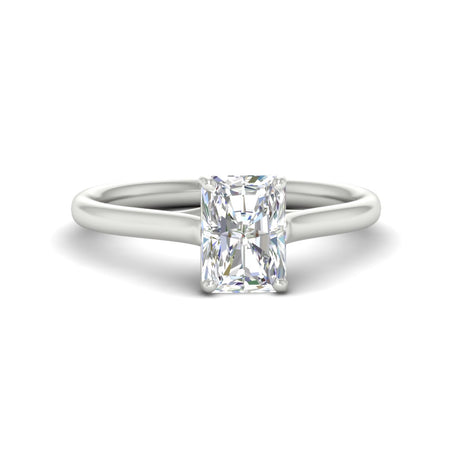
Cathedral Shank Radiant Cut Solitaire Engagement Ring
$1,345.50Shop Now -
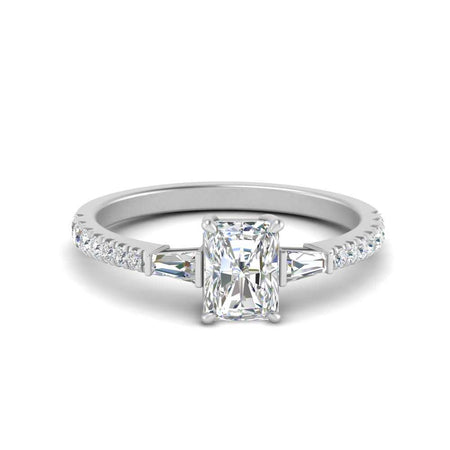
Delicate Antique Pave Radiant Cut Diamond Ring
$1,835.40Shop Now -
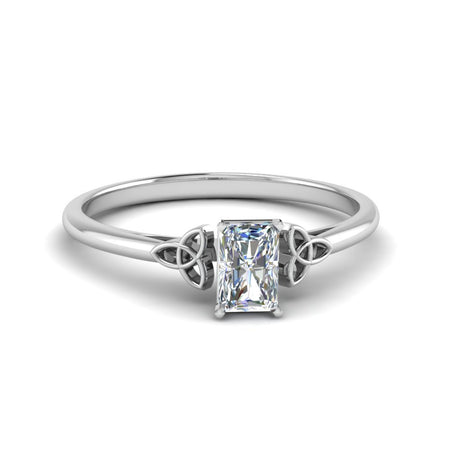
Radiant Cut Diamond Celtic Knot Solitaire Engagement Ring
$1,569.75Shop Now -

Radiant Cut Petite Cathedral Simple Diamond Ring
$1,327.10Shop Now -

Radiant Cut Milgrain Vintage Diamond Ring With Halo
$1,742.25Shop Now -
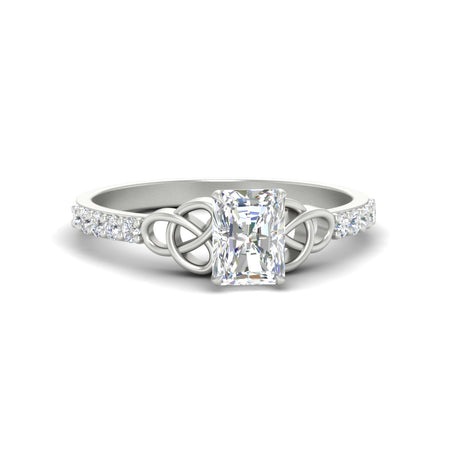
Radiant Cut Petite Celtic Engagement Ring
$1,895.20Shop Now -

Marquise And Round Eternity Radiant Cut Diamond Ring
$5,001.35Shop Now -

Radiant Cut Trellis Twisted 3 Stone Diamond Ring
$3,050.95Shop Now -
Radiant Cut Diamond Irish Split Solitaire Engagement Ring
$1,121.25Shop Now -

Pear Accented 3 Row Radiant Cut Engagement Ring
$1,695.10Shop Now -
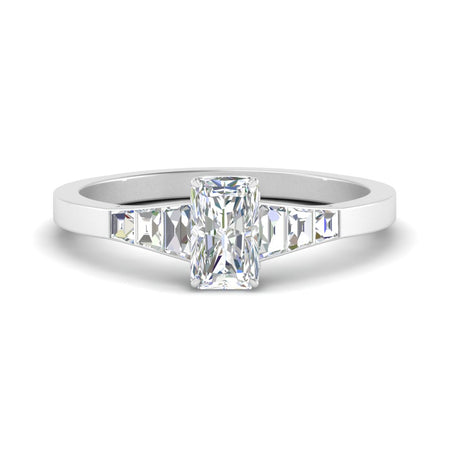
Radiant Cut With Tapered Trapezoid Cultured Diamonds Ring
$3,606.40Shop Now


-

Radiant Cut Cross Band Diamond Engagement Ring
$1,940.05Shop Now -
Cathedral Shank Radiant Cut Solitaire Engagement Ring
$1,099.40Shop Now -

Radiant Cut Petite Cathedral Simple Diamond Ring
$1,122.40Shop Now -

Radiant Cut Milgrain Vintage Diamond Ring With Halo
$1,453.60Shop Now -

Marquise And Round Eternity Radiant Cut Diamond Ring
$4,778.25Shop Now -
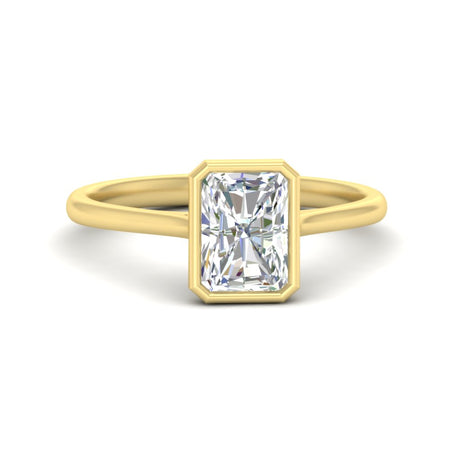
Bezel Set Radiant Cut Solitaire Diamond Engagement Ring
$1,099.40Shop Now -
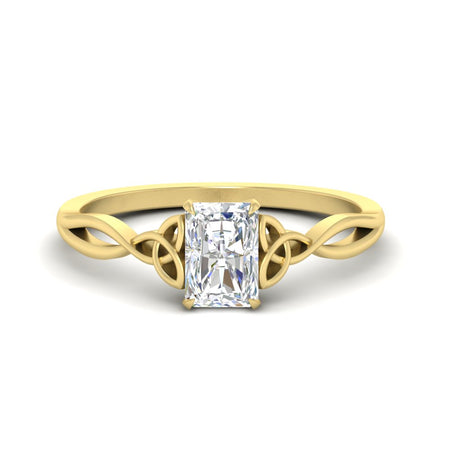
Radiant Cut Diamond Irish Split Solitaire Engagement Ring
$915.40Shop Now -

Radiant Cut Infinity Daisy Floral Diamond Ring
$1,626.10Shop Now -
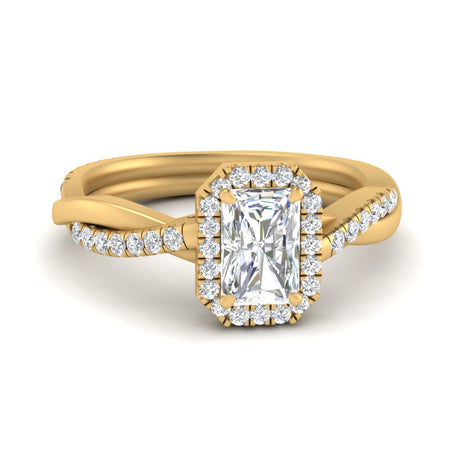
Twisted Radiant Cut Diamond Ring
$1,728.45Shop Now -
Radiant Cut Channel Three Stone Classic Diamond Ring
$2,903.75Shop Now -

Radiant Cut Twisted Marquise Accents Diamond Ring
$1,894.05Shop Now -

Radiant Cut Luxurious Engagement Ring
$1,685.90Shop Now


-

Delicate Antique Pave Radiant Cut Diamond Ring
$1,589.30Shop Now -
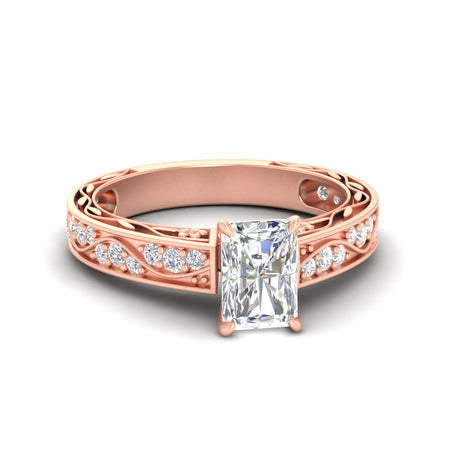
Antique Inspired Filigree Radiant Diamond Ring
$2,418.45Shop Now -
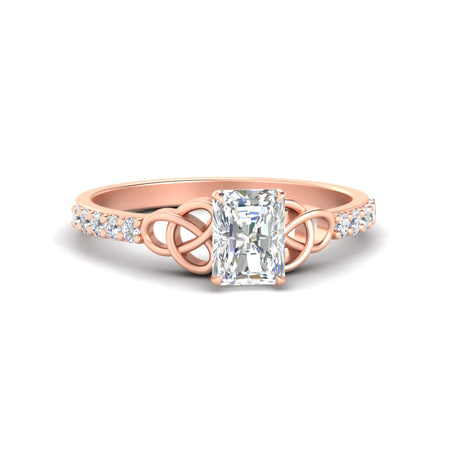
Radiant Cut Petite Celtic diamond Ring
$1,722.70Shop Now -
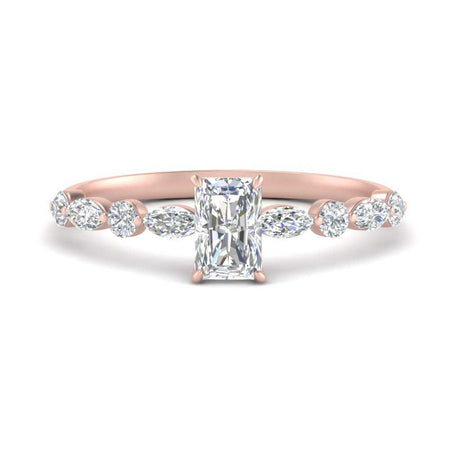
Radiant Cut Floating Marquise Accent Diamond Ring
$1,981.45Shop Now -

Pear Accented 3 Row Radiant Cut Engagement Ring
$1,473.15Shop Now -

Radiant Cut Floral Lab Grown Diamond Engagement Ring
$1,336.30Shop Now -
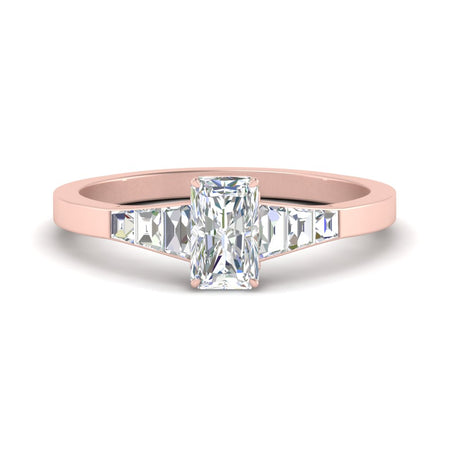
Radiant Cut With Tapered Trapezoid Cultured Diamonds Ring
$3,195.85Shop Now -
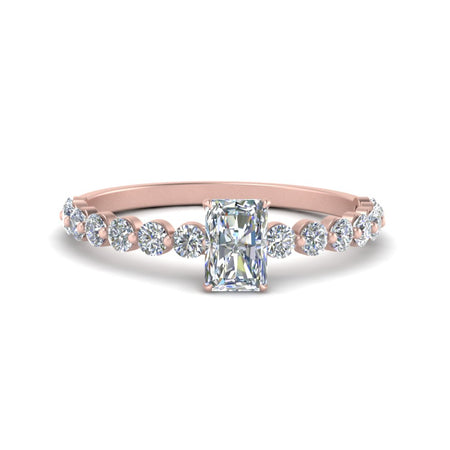
Lab Radiant Cut Diamond Shared Prong Thin Engagement Ring
$1,292.60Shop Now -

Halo Petite Radiant Diamond Ring
$1,528.35Shop Now -

Radiant Cut Petite Lab Created Diamond Engagement Ring
$1,330.55Shop Now -

Radiant Lab Diamond Cathedral Ring With Pear Accents
$1,220.15Shop Now -
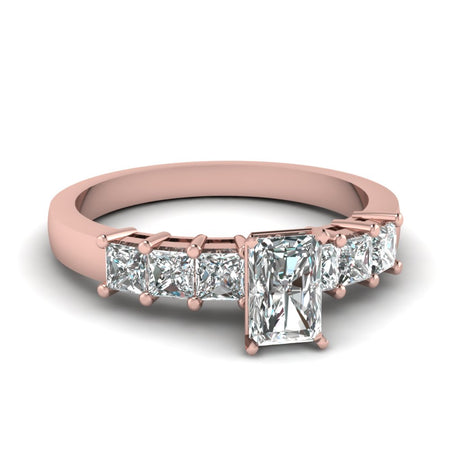
Radiant Cut Lab Grown Diamond Side Stone Engagement Ring
$1,685.90Shop Now


-
Radiant Cut Diamond Celtic Knot Solitaire Engagement Ring
$1,282.25Shop Now -

Comfort Fit Radiant Cut Two Tone Solitaire Diamond Ring
$849.85Shop Now -

Knife Edge Radiant Cut Solitaire Diamond Engagement Ring
$1,099.40Shop Now -
Radiant Cut Trellis Twisted 3 Stone Diamond Ring
$2,636.95Shop Now -

Radiant Cut Half Coverage Hidden Halo Ring
$1,297.20Shop Now -

Lab Created Radiant Cut Twisted Vine Engagement Ring
$1,449.00Shop Now -
Radiant Cut Diamond Half Bezel Solitaire Engagement Ring
$806.15Shop Now -
Semi Split Band Radiant Cut Bezel Set Solitaire Ring
$1,007.40Shop Now -
Milgrain Edge Radiant Cut Solitaire Engagement Ring
$1,428.30Shop Now -

Oval Accented Radiant Cut Engagement Ring
$1,637.60Shop Now -

Engraved Celtic Design Radiant Cut Solitaire Engagement Ring
$1,099.40Shop Now


-

Radiant Cut Pave Underhalo engagement ring
$1,476.60Shop Now -
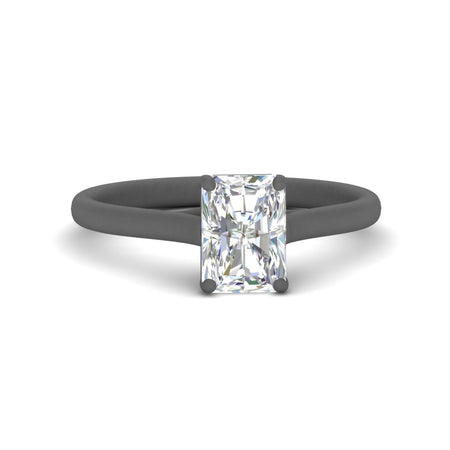
Cathedral Shank Radiant Cut Solitaire Engagement Ring
$1,099.40Shop Now -

Radiant Cut Diamond Celtic Knot Solitaire Engagement Ring
$1,282.25Shop Now -

Knife Edge Radiant Cut Solitaire Diamond Engagement Ring
$1,099.40Shop Now -
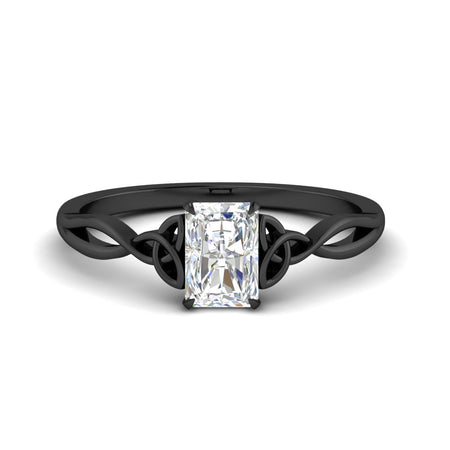
Radiant Cut Diamond Irish Split Solitaire Engagement Ring
$915.40Shop Now -

Bezel Set Radiant Cut Solitaire Diamond Engagement Ring
$1,099.40Shop Now -

Radiant Cut With Tapered Trapezoid Cultured Diamonds Ring
$3,195.85Shop Now -

Radiant Cut Channel Set Swirl Diamond Ring
$3,245.30Shop Now -
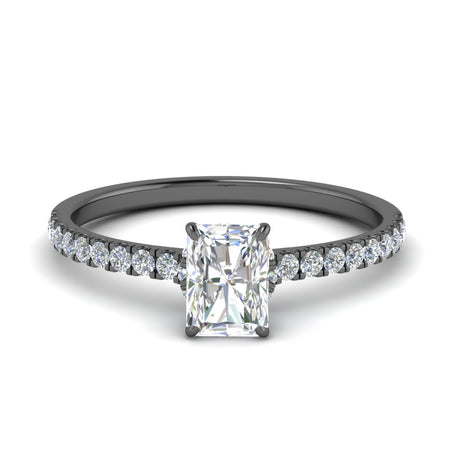
Radiant Cut Half Coverage Hidden Halo Ring
$1,600.80Shop Now -

Radiant Cut Diamond Half Bezel Solitaire Engagement Ring
$806.15Shop Now -

Radiant Cut Luxurious Engagement Ring
$1,685.90Shop Now


Popular Radiant Diamond Band Styles
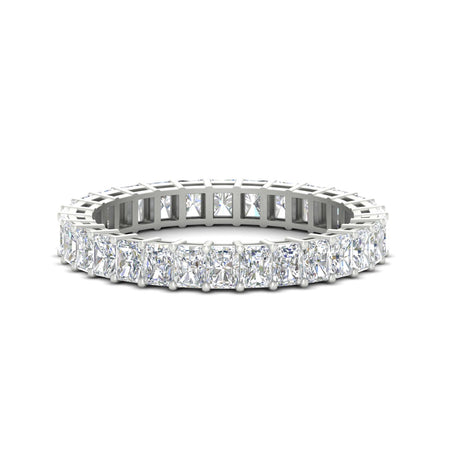
Radiant cut diamonds look exceptional with a variety of band styles that enhance their bold sparkle and contemporary appeal. Thin bands create a refined, elegant look that accentuates the diamond’s brilliance and crisp shape. Thicker bands offer a striking, modern balance that adds visual strength and presence to the design. Diamond wedding bands bring extra fire and glamour, amplifying the radiant cut’s dazzling facets. Meanwhile, classic wedding bands deliver timeless sophistication and understated beauty, perfectly complementing the radiant diamond’s captivating brilliance and geometric charm.


Radiant Cut vs. Other Diamond Shapes
Radiant cuts blend the sparkle of round cuts with the sleek lines of emerald cuts. Compared to princess cuts, they have smoother corners and more depth in brilliance. If you want a stone that combines fire and structure, radiant cuts strike the perfect balance.

Price and Value
Radiant cut diamonds offer better value than round diamonds of similar carat weight. Their unique cut often makes them appear vibrant and luxurious while being slightly more affordable than traditional brilliant cuts.

Care and Maintenance
- Clean your radiant diamond regularly with warm water, mild soap, and a soft brush.
- Schedule professional cleaning and inspection every six months to maintain its brilliance and ensure the prongs stay secure.

Radiant Cut Diamonds in Pop Culture
Celebrities like Jennifer Aniston and Drew Barrymore have worn radiant cut diamond rings, making this shape a symbol of glamour and individuality.

Final Buying Tips
- Choose a radiant cut with excellent symmetry and proportion for the best brilliance.
- Consider settings that protect the corners.
- Always review certification for authenticity and quality.
Real Customer Reviews
Frequently Asked Questions
1. What makes a radiant cut diamond unique?
A radiant cut diamond combines the sparkle of a round brilliant with the shape of an emerald cut. It features 70 facets and trimmed corners, giving it exceptional brilliance and durability.
2. Are radiant cut diamonds more brilliant than emerald cuts?
Yes. Radiant cuts use a brilliant-cut facet pattern that reflects more light, creating a fiery sparkle, while emerald cuts have step facets that produce a subtle, mirror-like shine.
3. Do radiant cut diamonds look bigger than other shapes?
Not always. Because radiant cuts are typically deeper, they can appear slightly smaller than round or oval diamonds of the same carat. Choosing a rectangular radiant can give a more elongated look.
4. What’s the best setting for a radiant cut diamond?
Halo and solitaire settings are the most popular. A halo enhances size and brilliance, while a solitaire keeps focus on the diamond’s natural sparkle. Prong or bezel settings also protect the corners well.
5. What color and clarity are best for radiant cut diamonds?
A color grade of G or better and clarity of SI1 or higher are recommended. The radiant’s facets help mask inclusions, so you can often choose slightly lower clarity without compromising beauty.
6. Are radiant cut diamonds durable for everyday wear?
Yes. The cropped corners make them more resistant to chipping than square cuts like princess diamonds, making them a great option for engagement rings.
7. What’s the price range for radiant cut diamonds?
Radiant cuts generally cost less than round brilliant diamonds of the same carat weight but more than step cuts like emerald. Price depends on the 4Cs—cut, color, clarity, and carat weight.
8. Who should choose a radiant cut diamond?
Anyone who wants a diamond that blends brilliance with bold geometry. It’s ideal for those who love sparkle but prefer something less traditional than a round diamond.